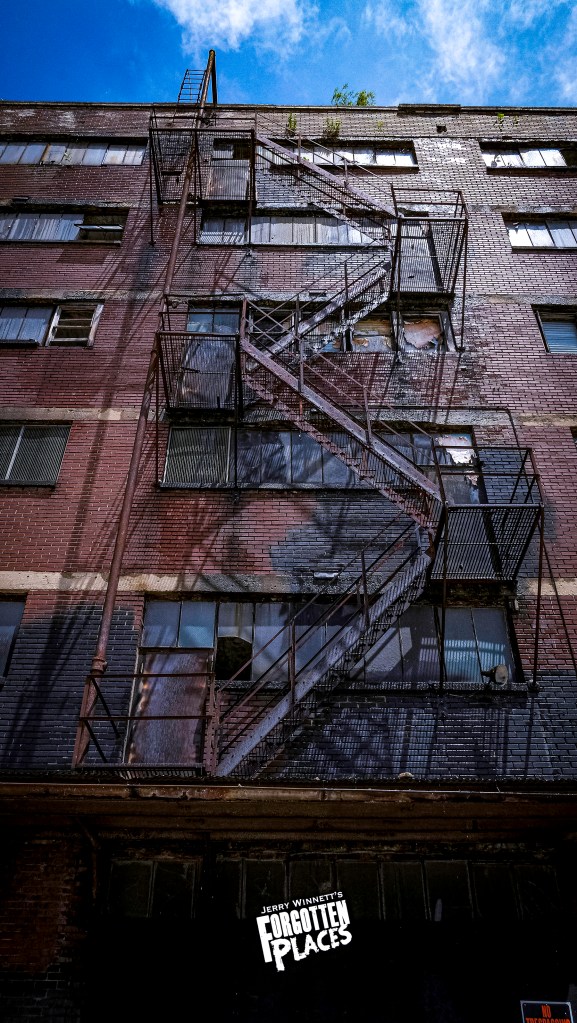
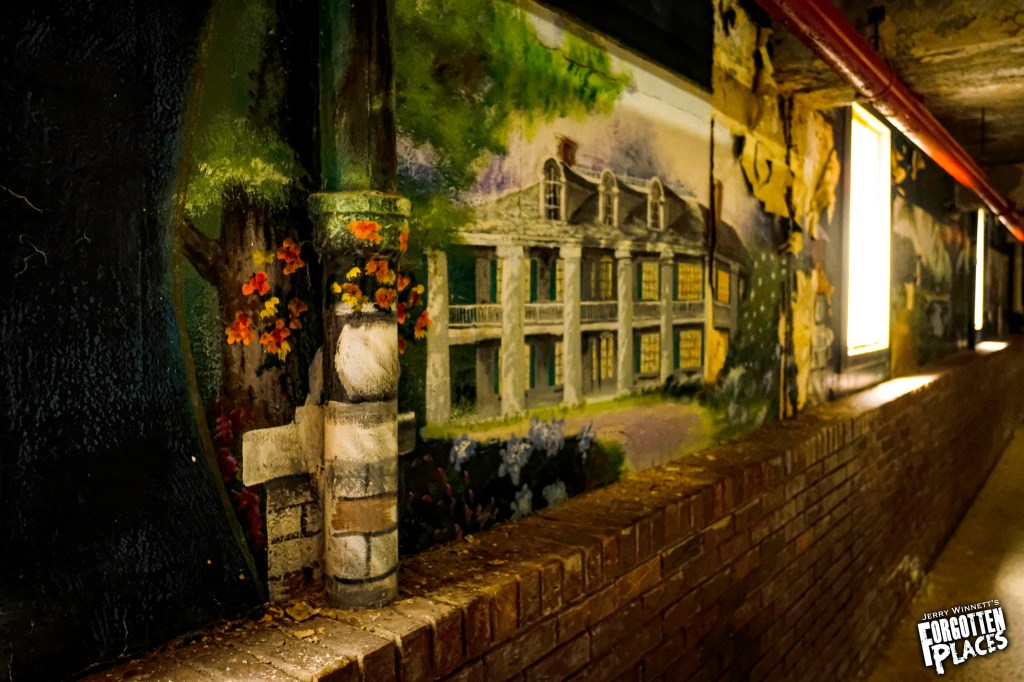
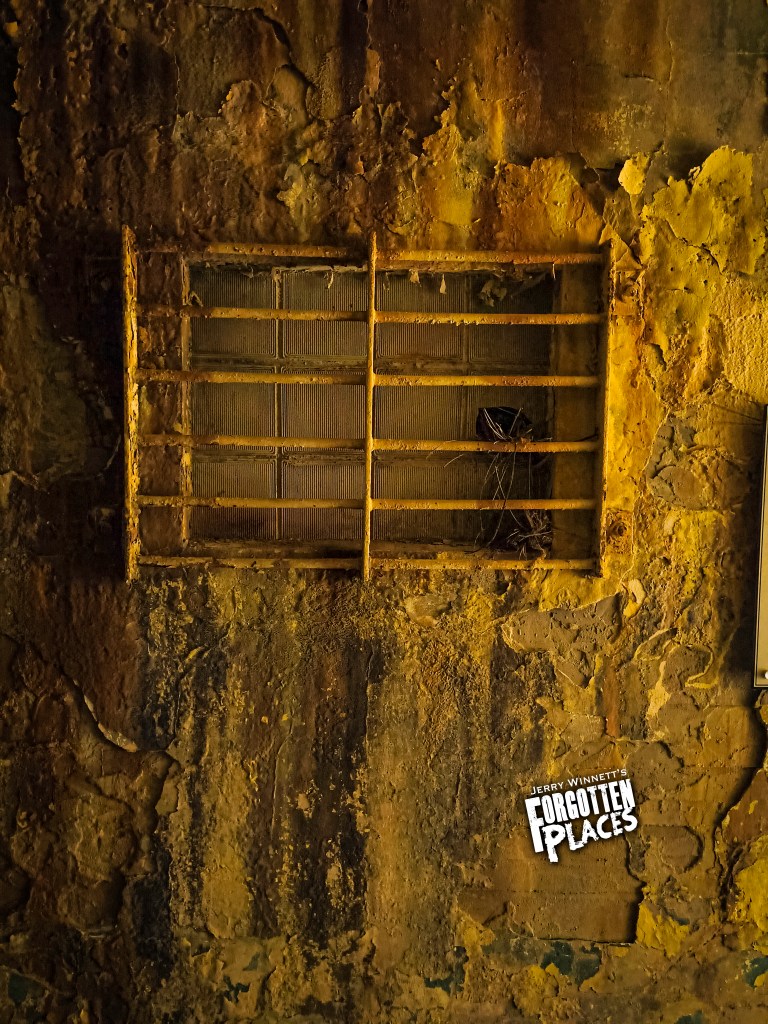
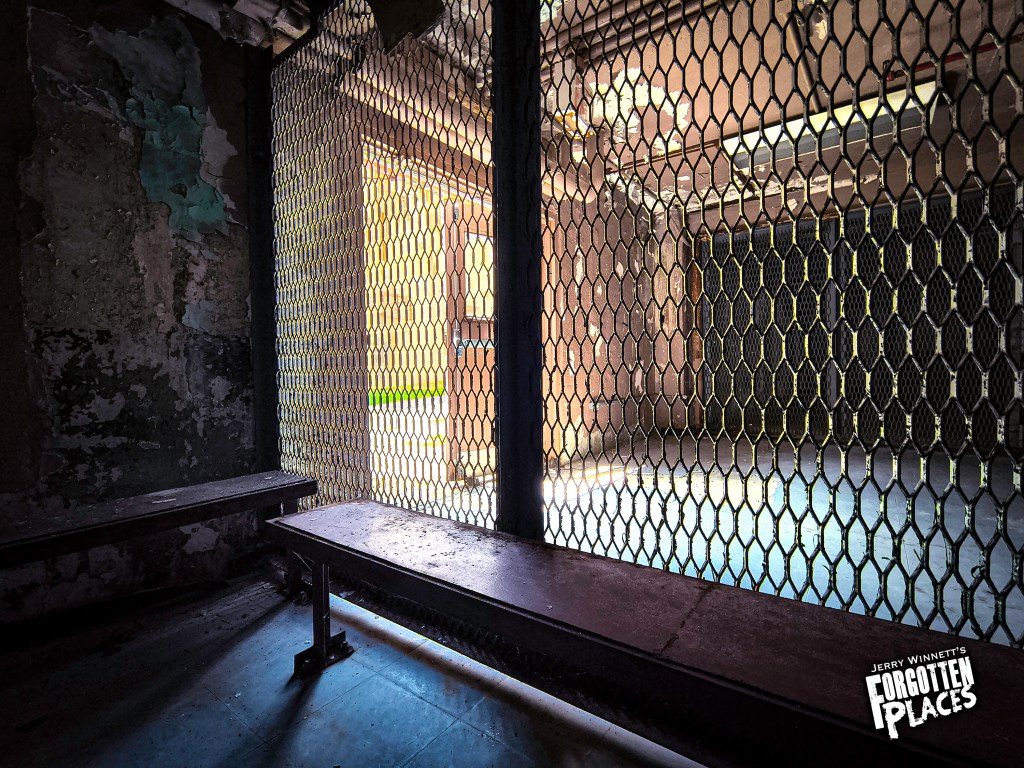
Why yes, they can. This is one of my favorite shots from a trip to Memphis, Tennessee. This building had been empty quite sometime, and it was sweating. No, I’m not kidding. On top of the building a very large wooden, and steel water tank. At some point the water it was holding began to leak down on to the roof of the structure. That water soaked into the walls, and into the very bricks themselves. I have to wonder, is the place still standing?
I’ve lived in Tennessee quite sometime. Somehow I’ve only found myself in Bellbuckle, Tennessee once about 10 years ago. I’d been out looking for abandoned buildings, and while I did find a few, I didn’t stop in Bellbuckle itself. Last week I decided to get up early, drive to Bellbuckle and photograph whatever caught my eyes. Before I go on and post the photos I took, let me fill y’all in a little about Bellbuckle.
Bellbuckle is a historic little berg located in Bedford County, Tennessee. Among its attractions is the Webb School, founded in 1870 by William Robert “Swaney” Webb and his brother John Webb. The school was to become an educational hub that focussed on building a person’s character, integrity and educational preparation for college. Webb’s School’s mission was to “to turn out young people who are tireless workers, and who know how to work effectively; who are accurate scholars; who know the finer points of morals and practice them in their daily living; who are always courteous.”
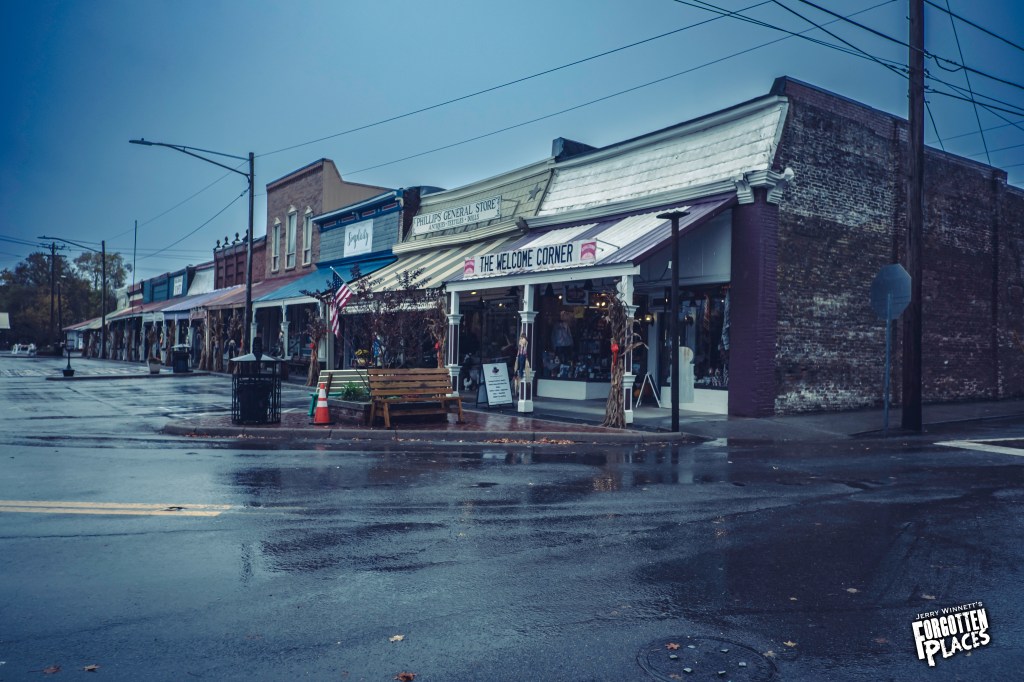
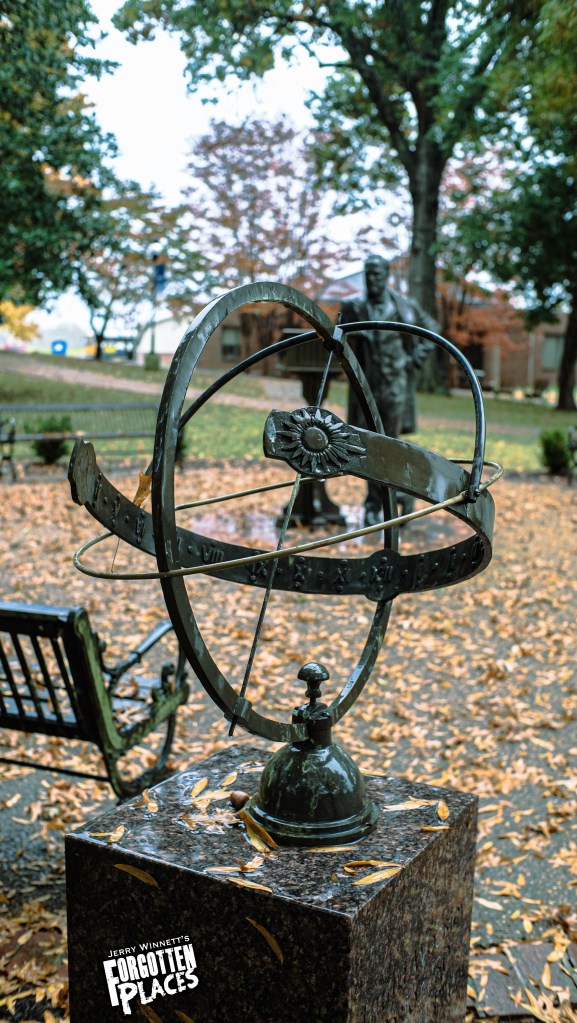
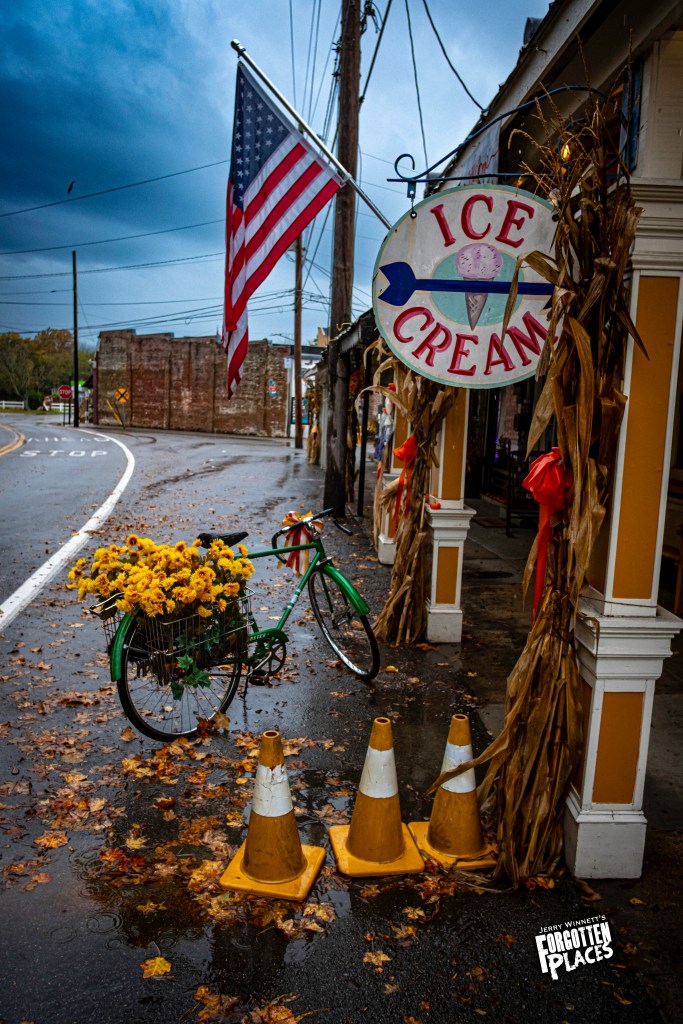
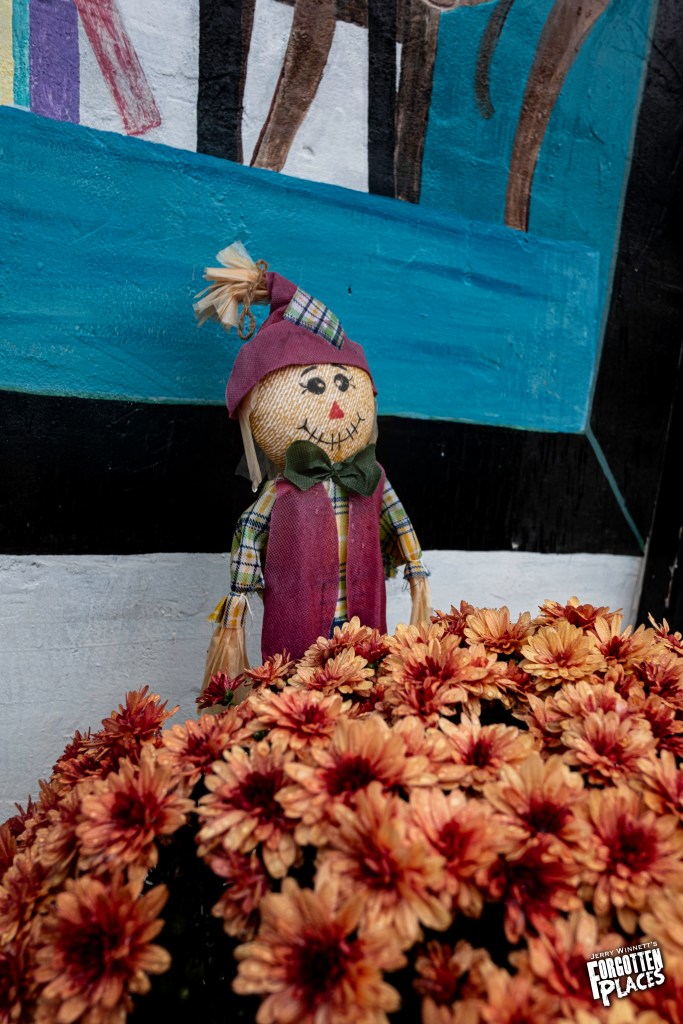
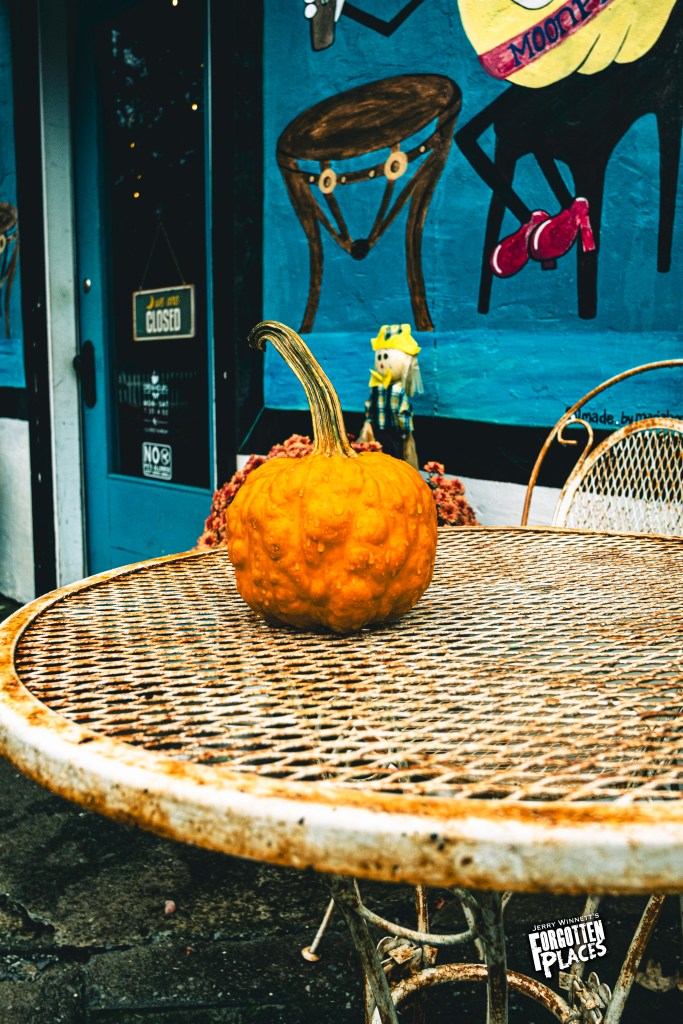
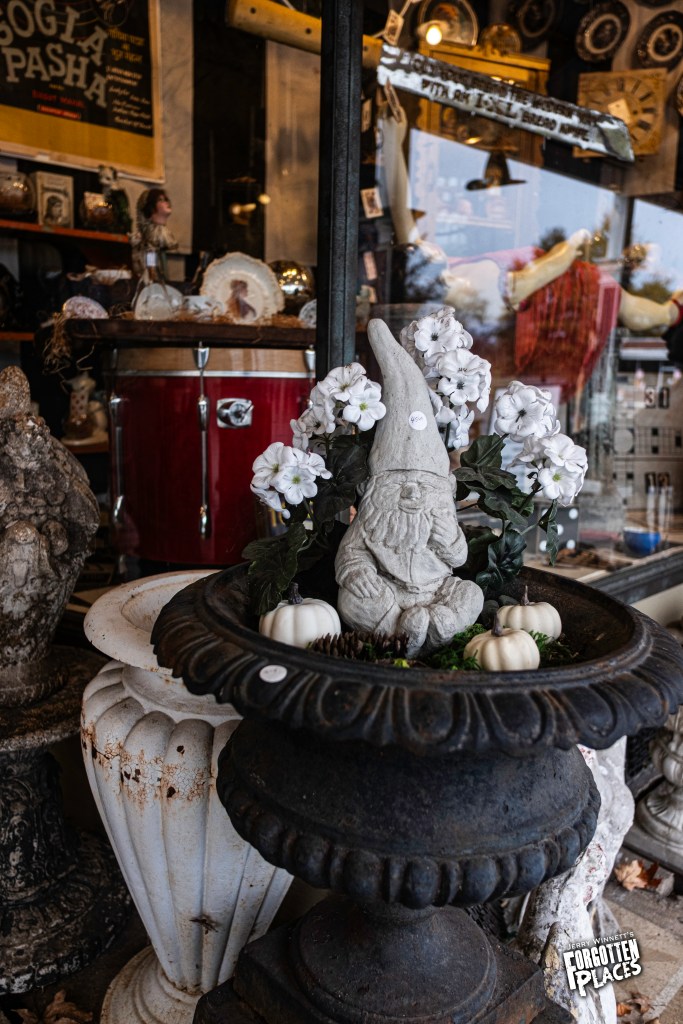
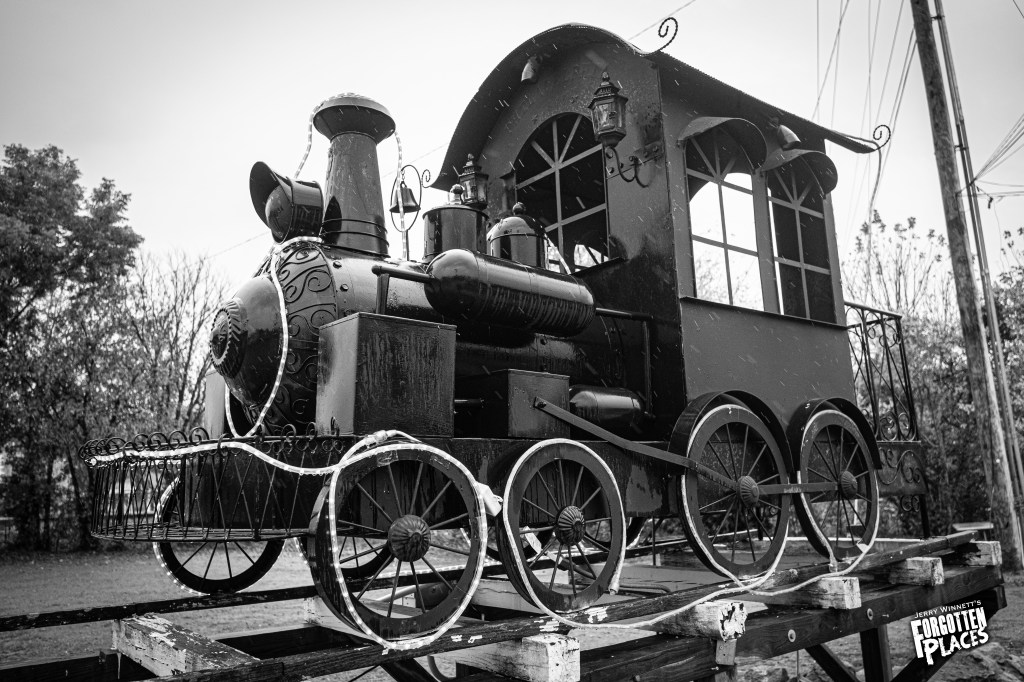
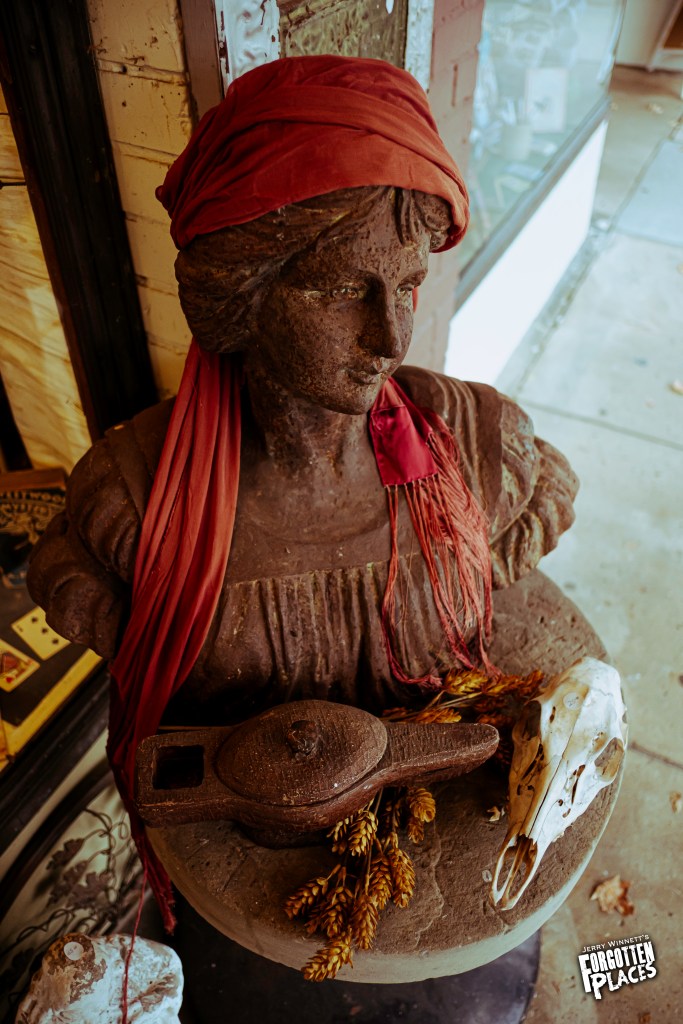
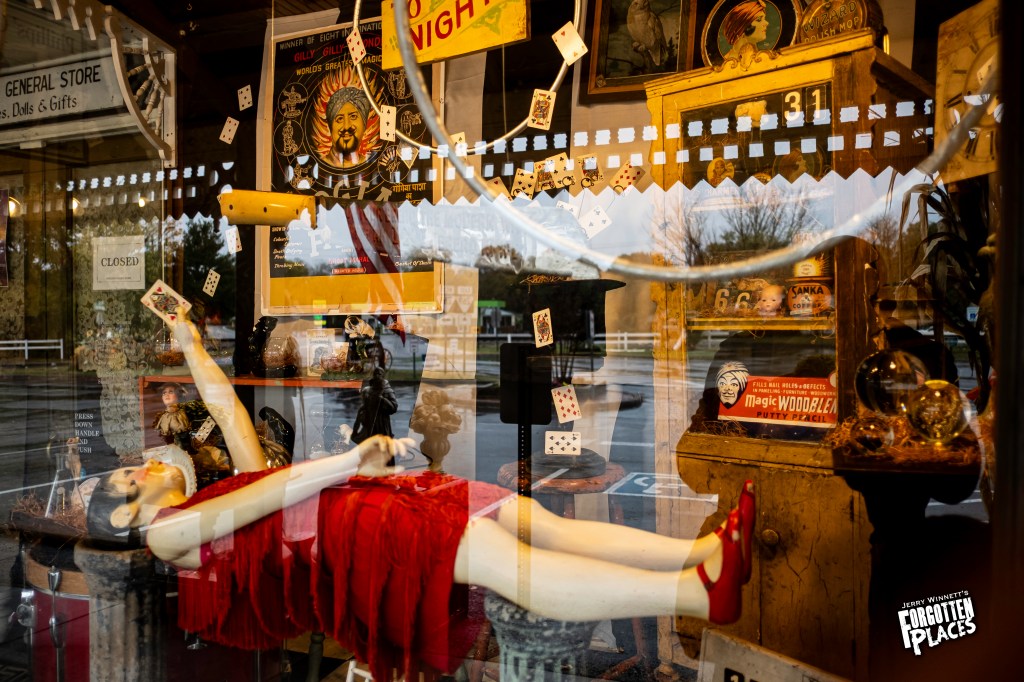
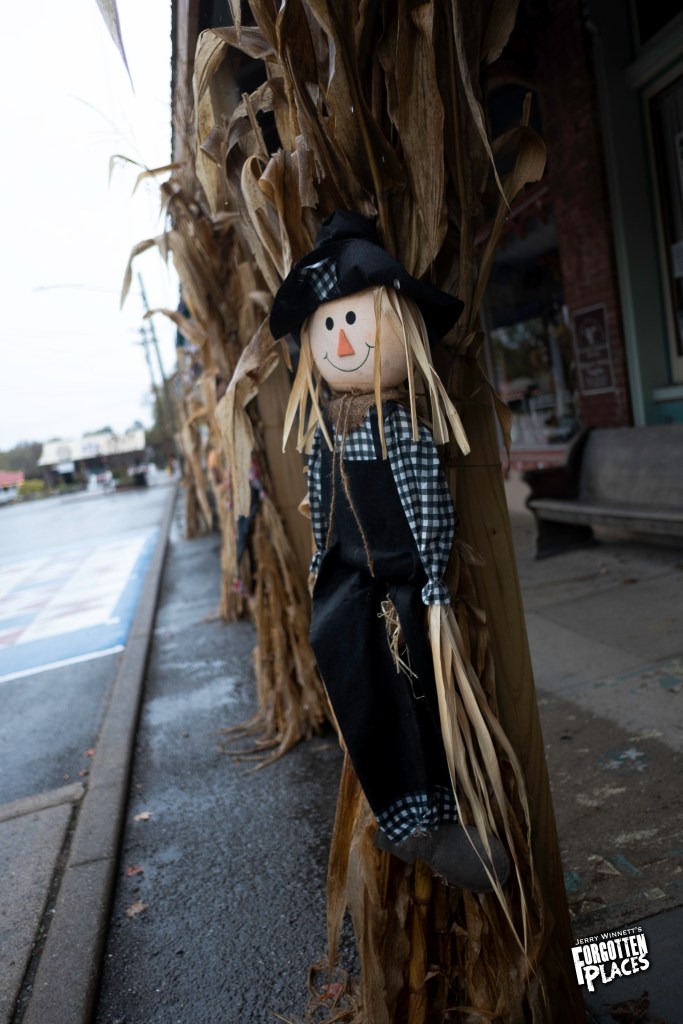
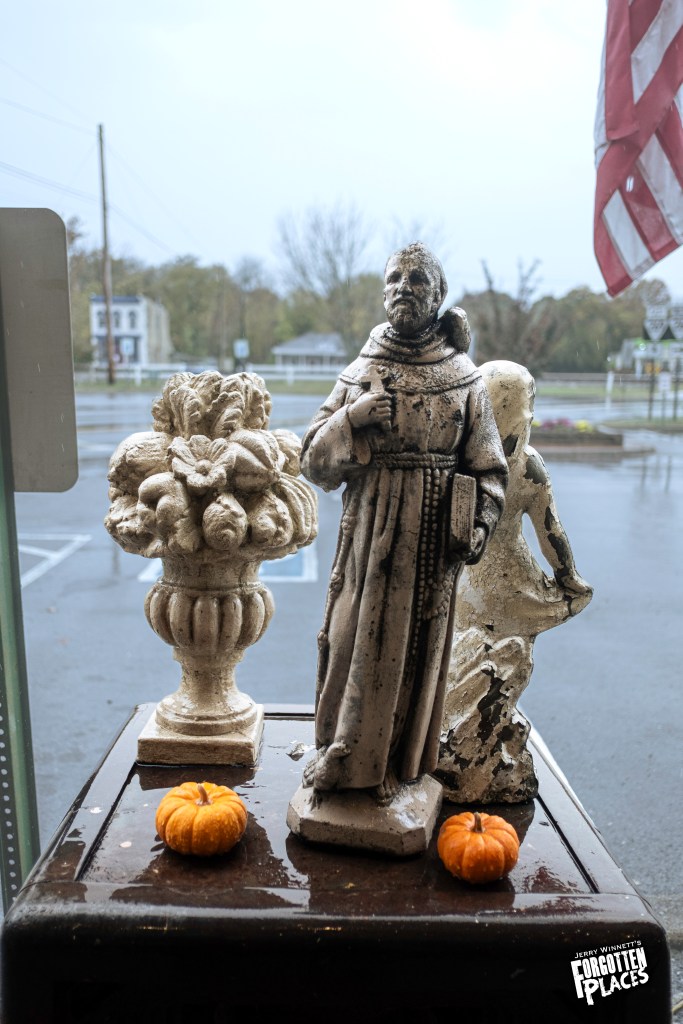
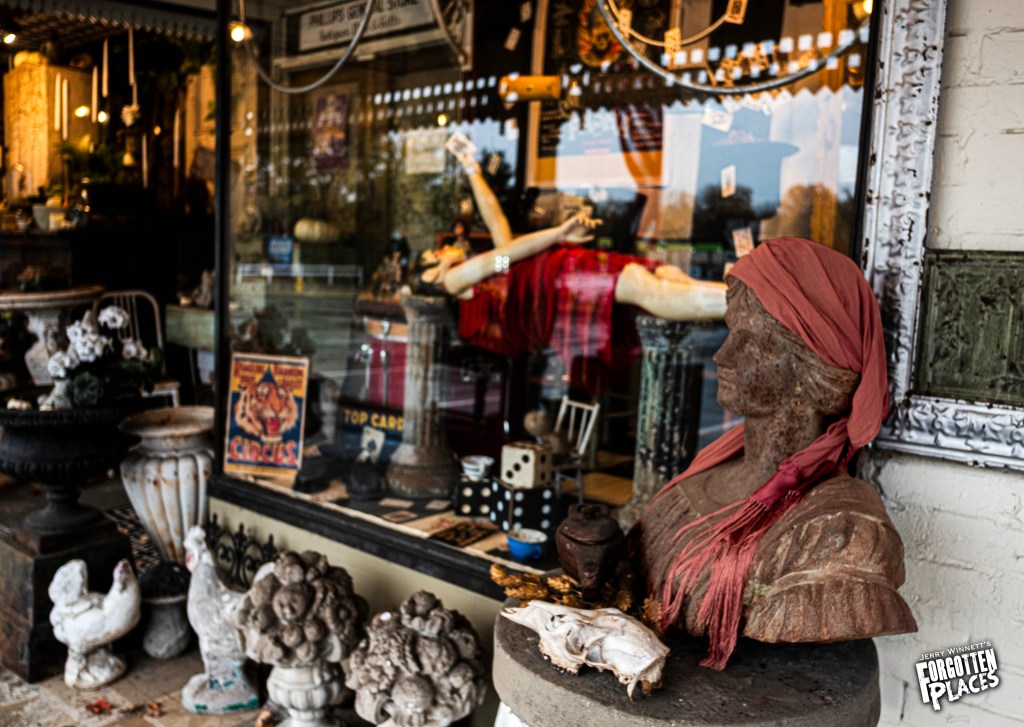
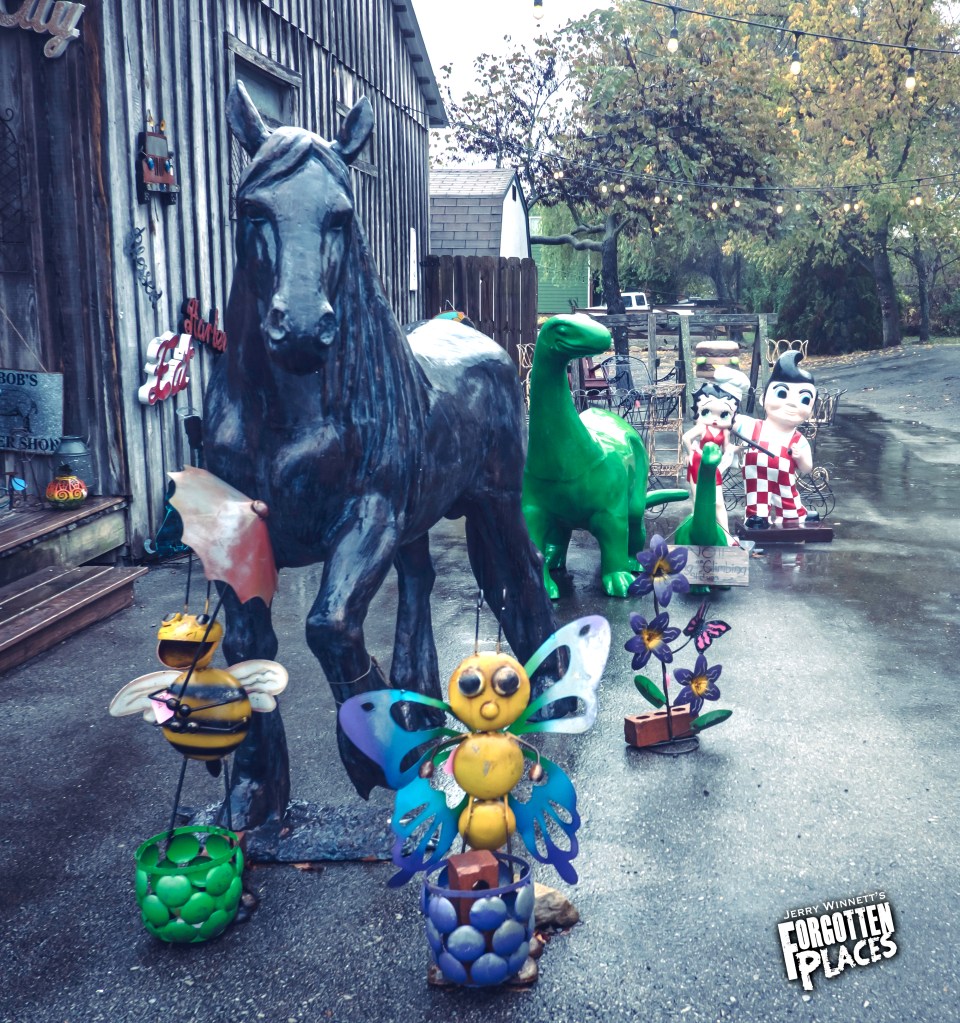
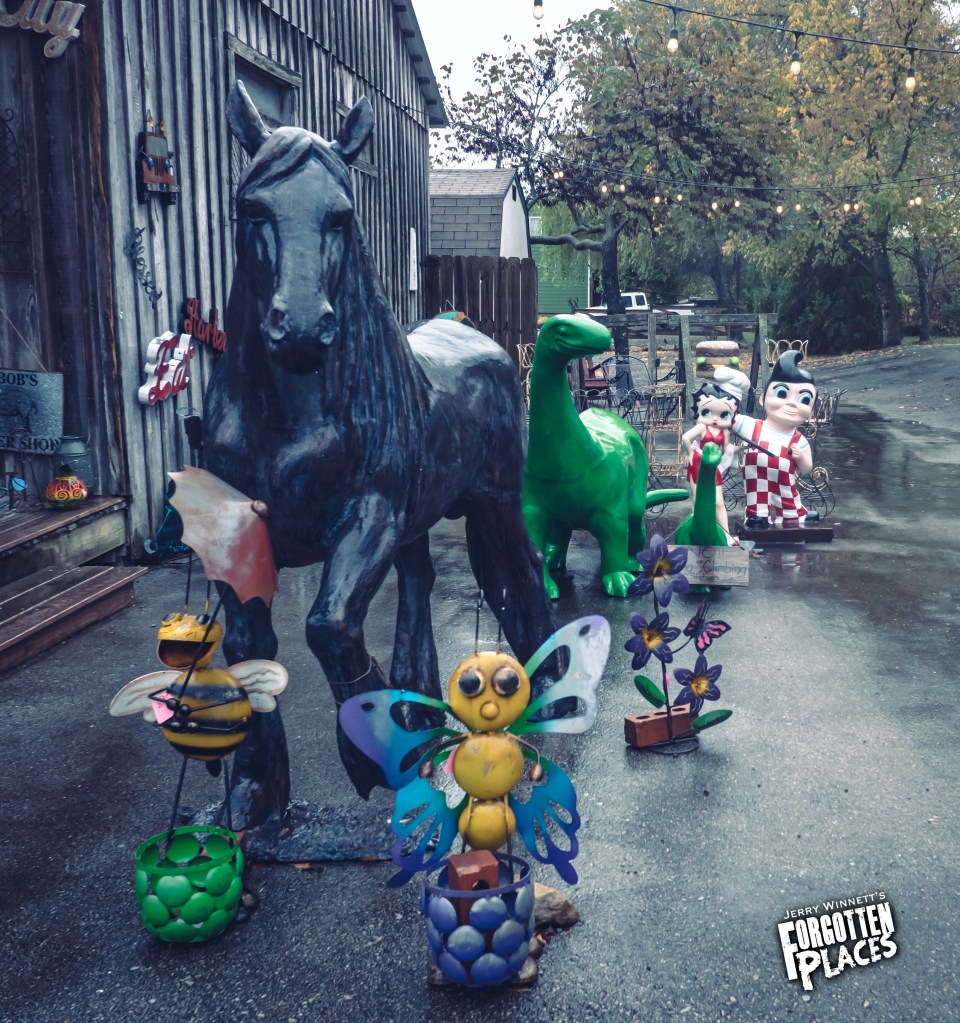
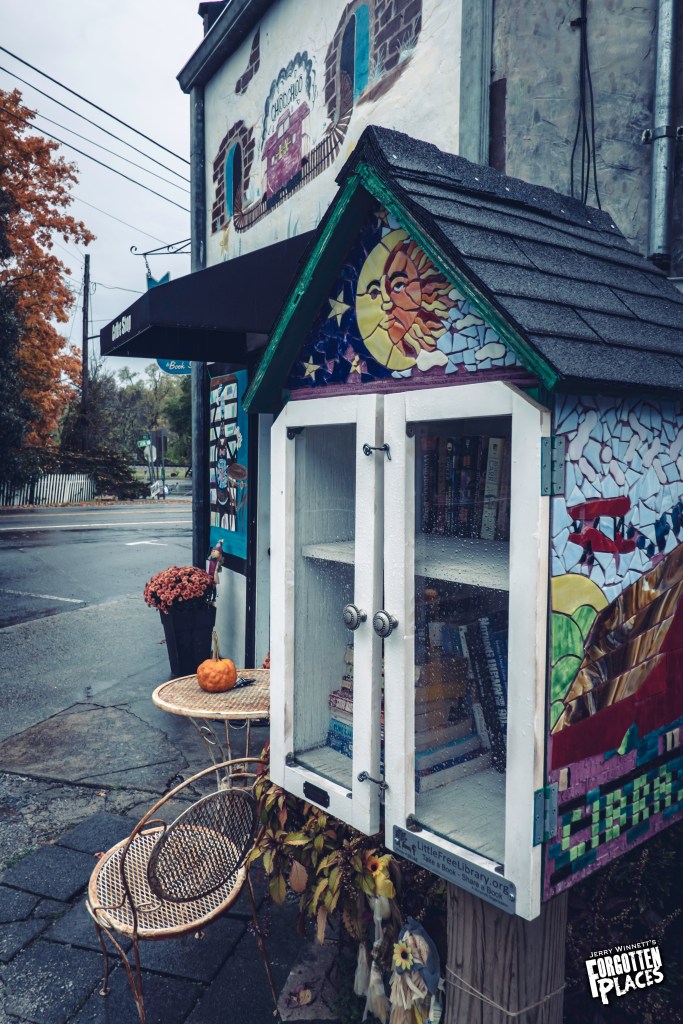
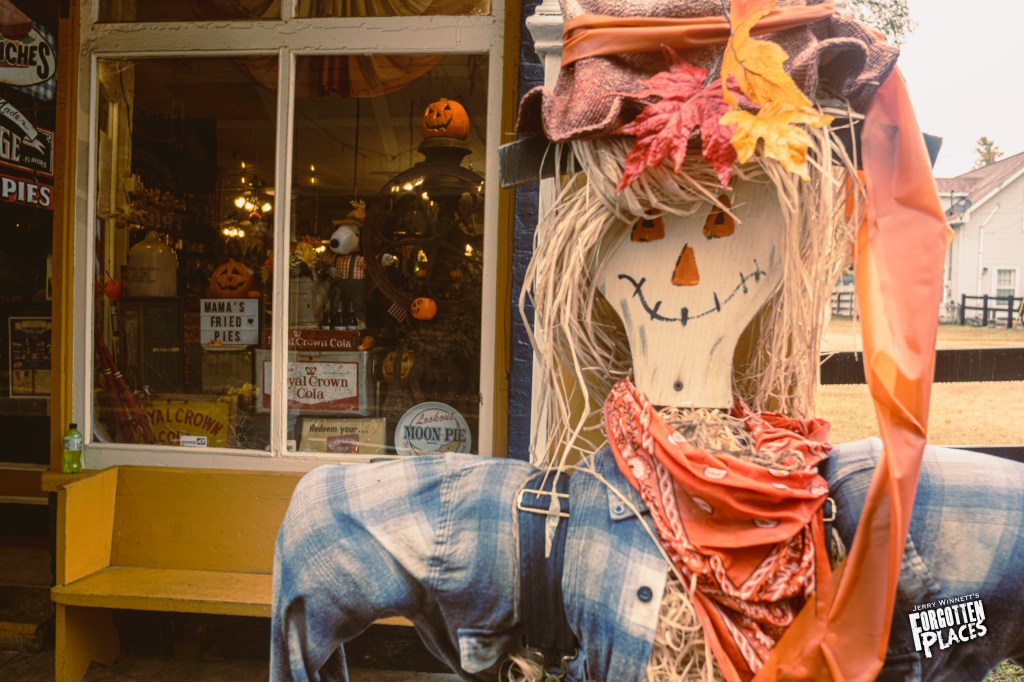
The morning I drove to Bellbuckle was a rainy one. I decided that with the weather, it’d be better to shoot the touristy shopping center at the heart of Bellbuckle. With that said, here are some of the shots I took.
Another thing that Bellbuckle is famous for is its Art Festival. Unfortunately the Art Festival had already come and gone, so I have no shots from there. But next year, I plan on going to the festival next year, and who knows, maybe I’ll have a booth where people can purchase copies of my book, and prints too?
While I would love to be able to dedicate my time to showing y’all nothing but abandoned places, sadly this isn’t feasible. Progression by time, the elements, and by people make such a thing nearly impossible. But not to worry folks, I will be adding more tales, and photos of my explorations. In the meantime I will be adding photos from my visiting small towns, and off-the-well-traveled road places and things.
Dear reader, let me start this blog post off with this. While I did take numerous History classes in college, I am not a Historian. My blog posts are my observations, my experiences. However, with that said, I have provided a little bit of history for the subject of this post.
A brief history on Brushy Mountain State Penitentiary:
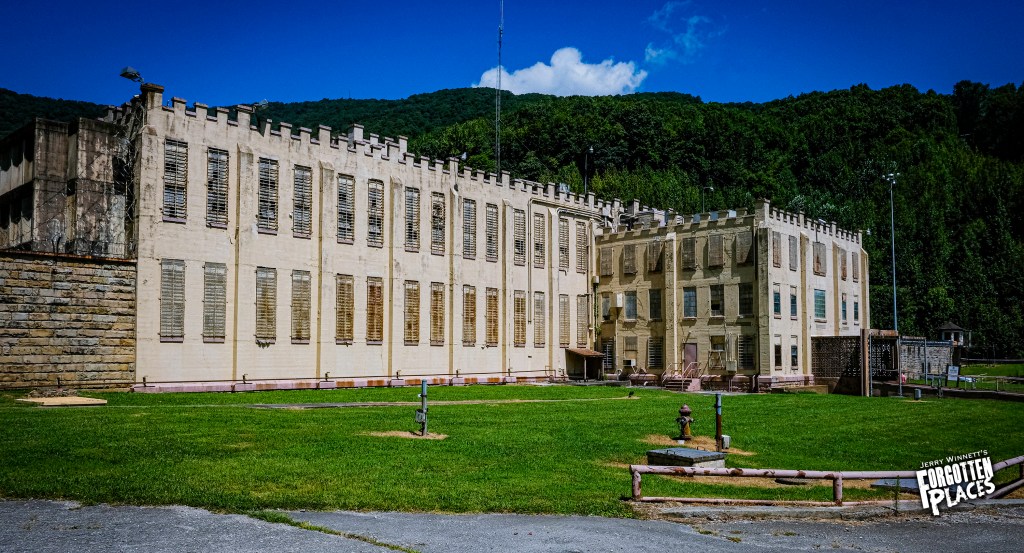
In 1896 Brushy Mountain Prison was built in Petros, a coal mining community in Morgan County, Tennessee. The prison was built, owned, and operated by the State of Tennessee in response to the Coal Creek War. Why did the State of Tennessee build a prison in such a remote location? Coal, that’s why. In the winters Coal Creek miners would strike, and considering winter was the time when coal was needed the most to keep businesses and people warm, the State would meet the coal miner’s demands. This ended when Tennessee built Brushy Mountain and began using its inmates as forced labor. The State of Tennessee used chain gangs to do an end run around the 13th Amendment, thus continuing the practice of slavery, and yes, the majority of the inmates were black. This practice was repeated throughout prisons and Lunatic Asylums throughout the South. This form of slavery was practiced from the day the prison opened until the coal mines closed in the 1960’s.
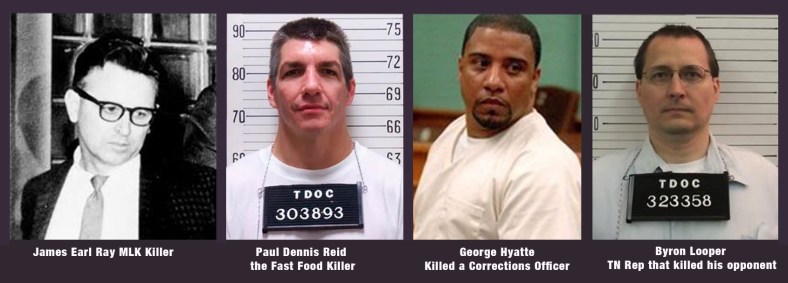
I can’t tell you how many thousands of inmates saw the inside of Brushy Mountain over its 113 years of operation. But there are 3 of note. Paul Dennis Reid, the Fast Food Killer. Republican State Representative Byron Looper was incarcerated there, as was the infamous assassin of Martin Luther King, James Earl Ray. I won’t go on about them, I do not want to glorify their crimes.
For a 113 years Brushy Mountain stood as a place of slavery, and punishment. That changed in 2009 when the prison was shut down. Brushy sat empty for 9 years, and would likely have remained abandoned, but in 2014 local leaders and the State of Tennessee began to work on reopening the facility as a tourist attraction that opened in 2019. Brushy Mountain has become a major revenue earner for both Morgan County and the State of Tennessee itself. Brushy offers educational tours, paranormal tours, musical events, and activities take place in the old prison yard, and there is the End of the Line Distillery that makes vodka, whisky and moonshine, while the restaurant serves some damned good barb-b-q ( I can personally vouch for the taste).If you’d like to book a tour of Brushy Mountain, here is the link:https://tourbrushy.com
Now, with the brief history of Brushy Mountain done, let us get on with the show.
I woke up Aug 23rd, a Sunday with the need to explore. I fed Hellion, and Pounce, my two little fur bearing terrors. Next I grabbed my camera, and randomly picked a location to explore, and hit the road. My destination for today was Brushy Mountain, a former prison located in Petros, Morgan County, Tennessee.
The drive found me on I-40 cruising at an easy 80mph. I couldn’t have had better weather, it was sunny out, with a temperature around 72 degrees. Surprisingly the traffic was very light, and there wasn’t a single failed extra from the Fast and the Furious franchise within sight. My trip would take almost 3 hrs, for a distance of 161 miles. And there was plenty of towns where I could pull off for road snacks, and bathroom breaks. Lebanon, Watertown, Gordonsville, Baxter, Cookville, Monterey, and Crab Orchard, and finally Crossville, Tennessee. Once in Crossville (exit 320), I turned onto Hwy 298/N.Genesis road, and from there I got onto HWY 62. Highway 62 is an enjoyable road, but not one you want to drive fast on. There a plethora of sharp, blind curves. The road also has an awful lot of sudden hills, accompanied with equally steep drops. The roadside signs are lovely, but can be distracting, and you do not want to let your eye wander too far from the road. Hidden drives, and deer are endemic features. Eventually I found myself in Petros, the home of the former prison.
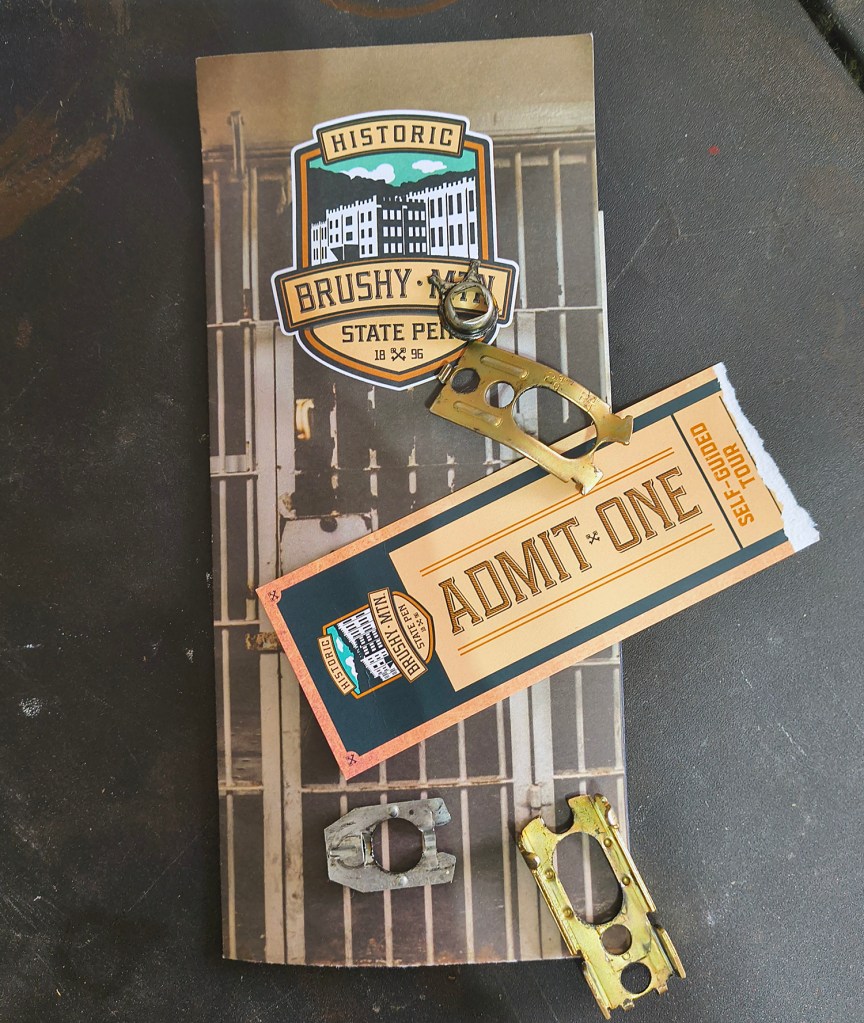
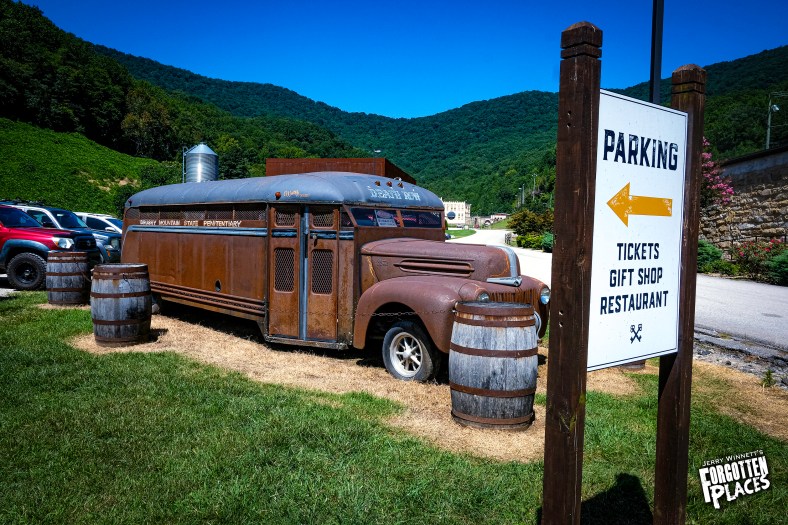
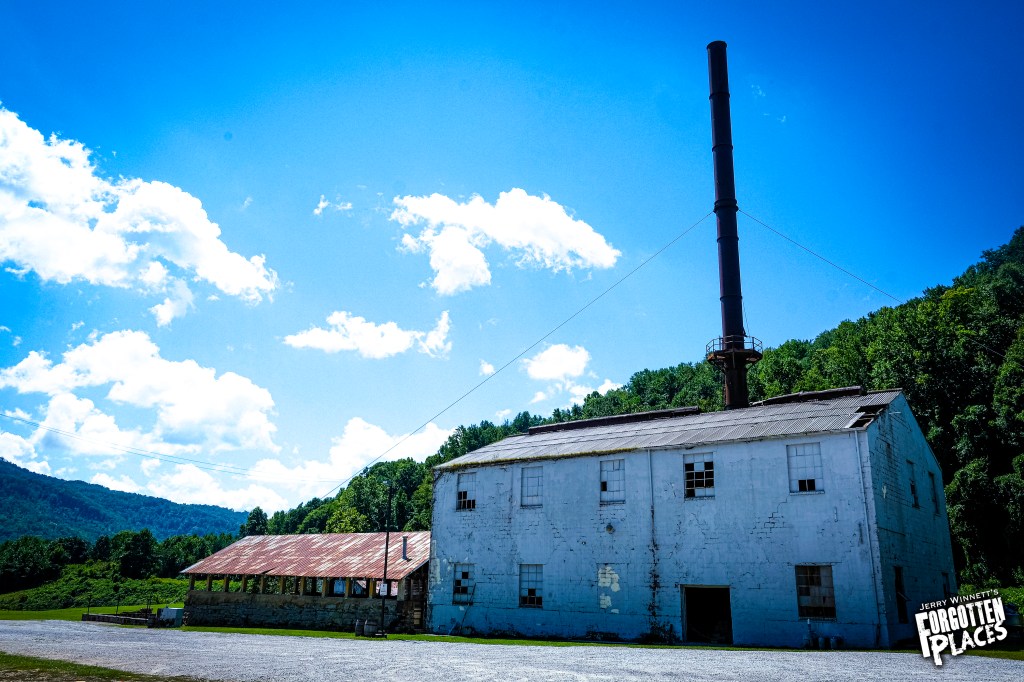
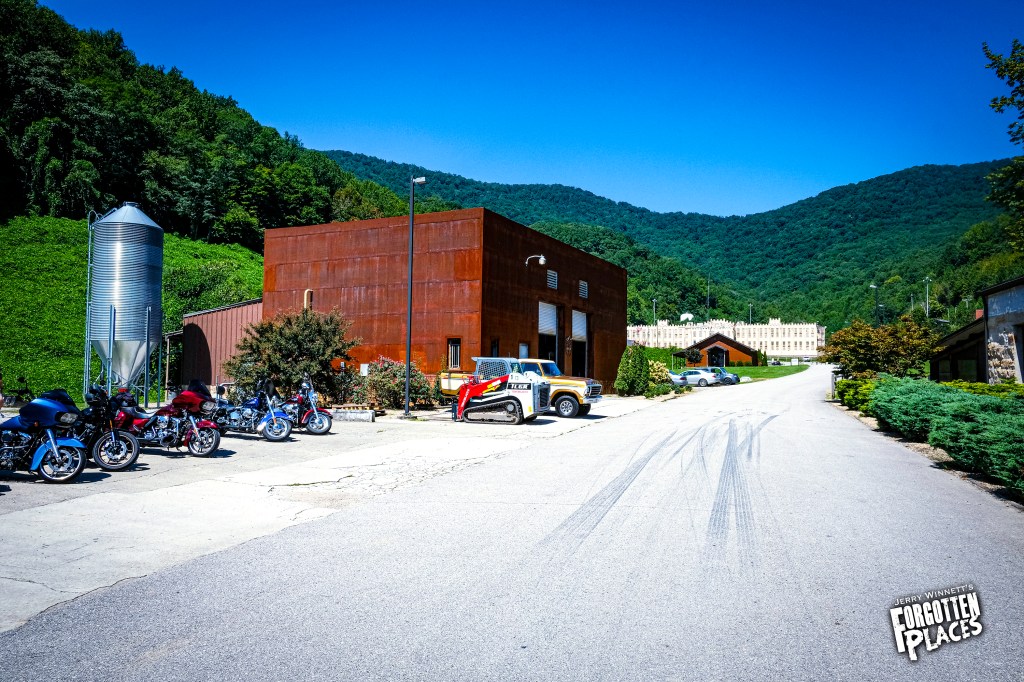
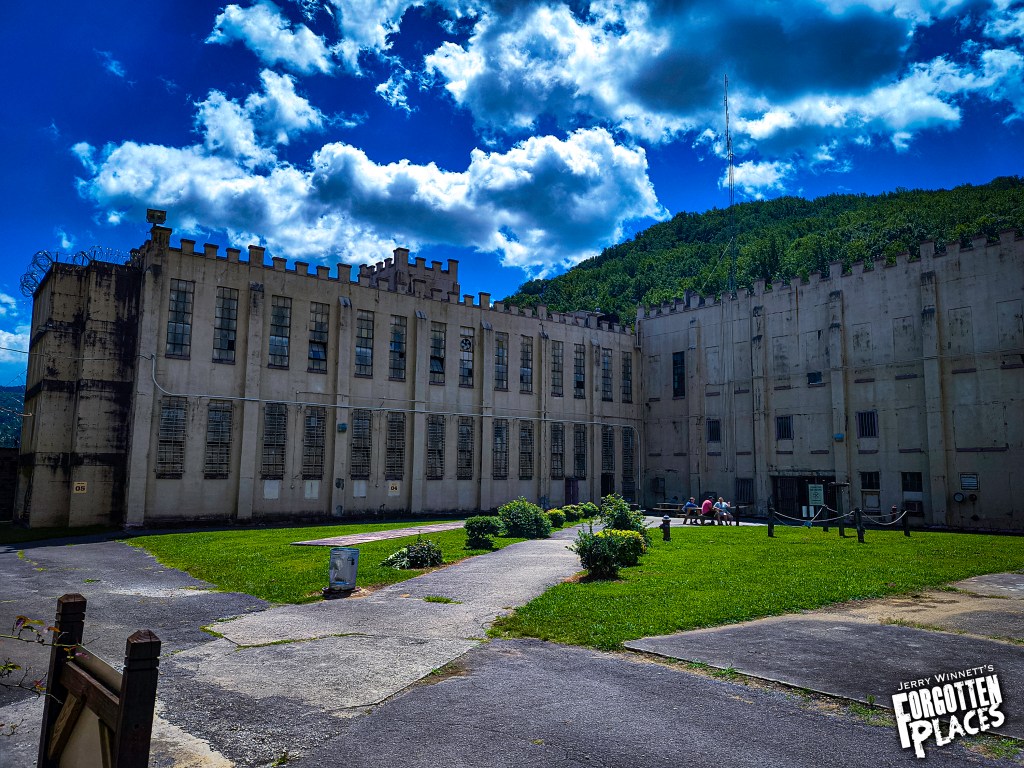
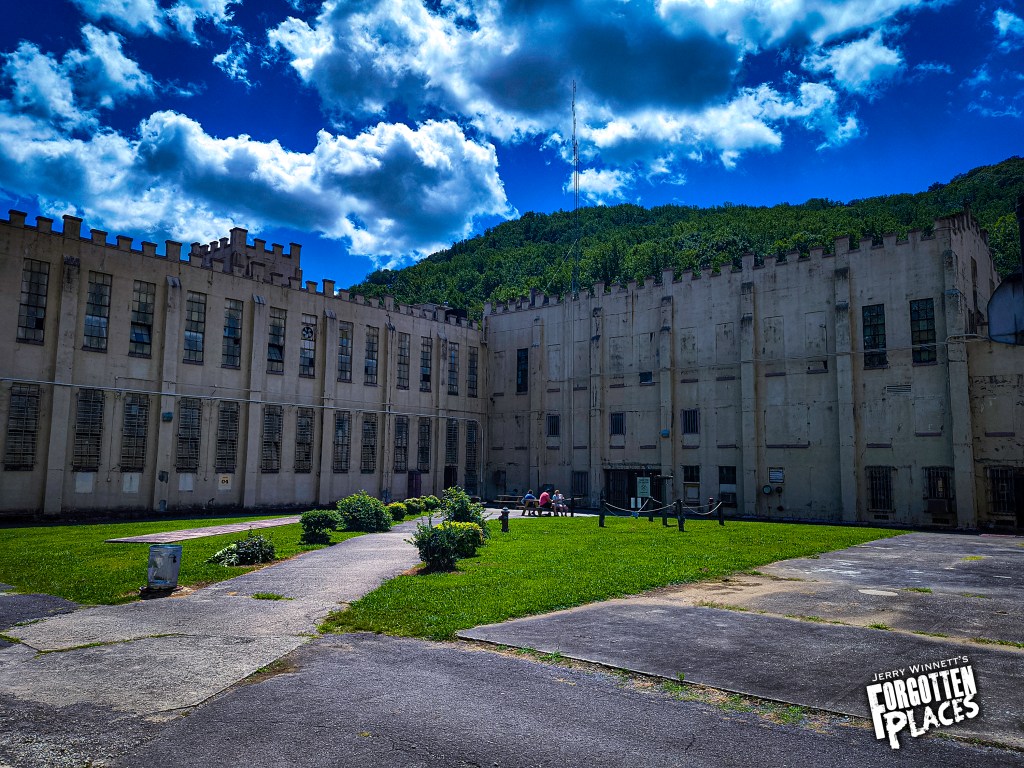
There’s a long winding road that leads up to the prison. You can see the prison sitting like a fortress nestled at the base of the mountains. The mountains are a vibrant, green riot of tress, assorted plants, with kudzu vines sprawling across it all. Once you hit the prison’s proper road there’s a large gravel parking lot that sits across from Brushy Mountain’s restaurant, the Warden’s Table, and the End of the Line Distillery. I sampled the food and can testify that it was quite tasty. I cannot tell you about the vodka or moonshine made by the distillery, I don’t drink. However I can say that the atmosphere was good as was the swag on sale. As soon as you walk into the Warden’s Table there is a kiosk where you can buy your Brushy Mountain Tour tickets for $31.00. Stepping back outside you can walk up to the prison, it’s not too bad a walk, However you can also drive to the prison’s main parking lot. I hate cardio, so I drove. Don’t judge me, there was plenty of cardio to be had.
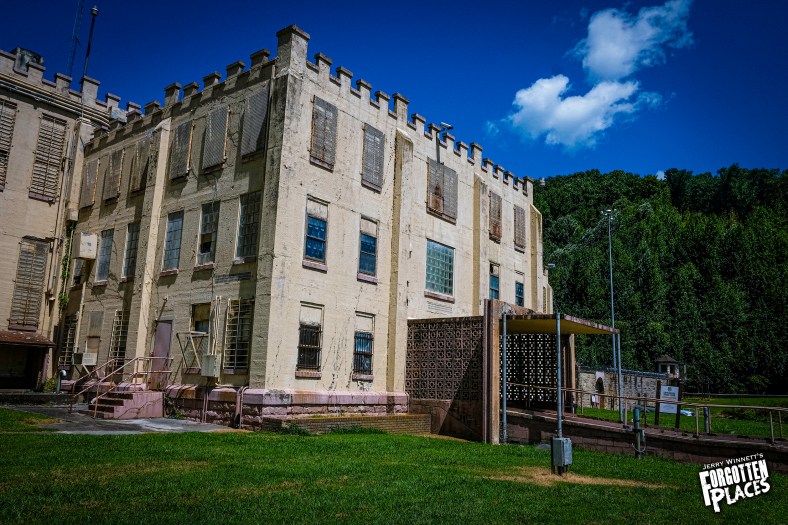
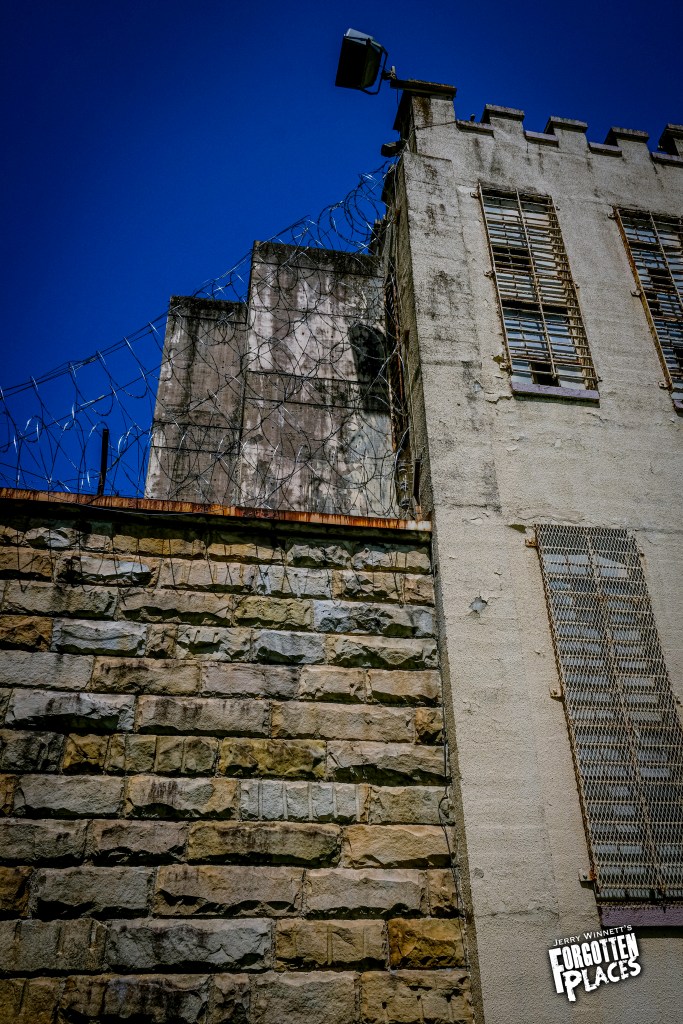
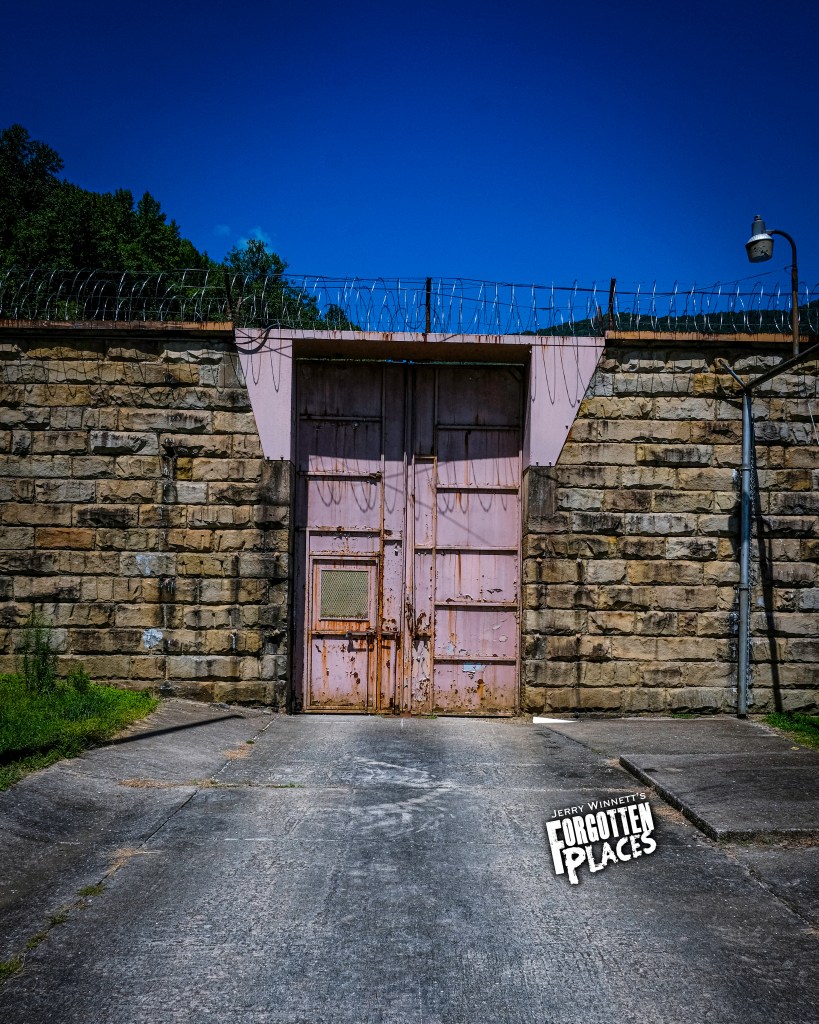
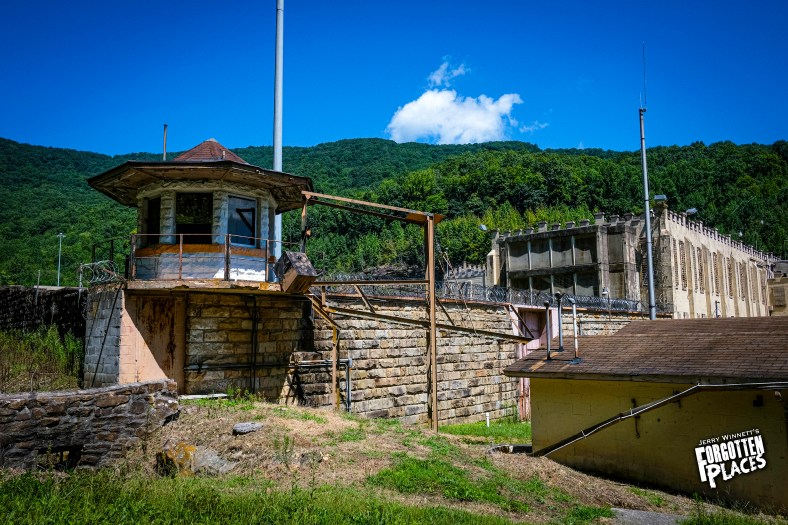
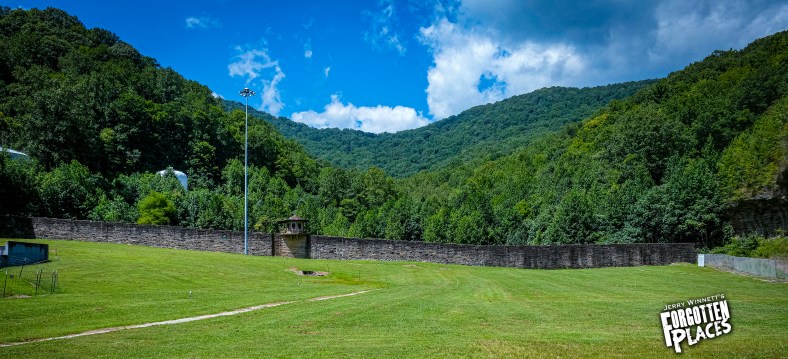
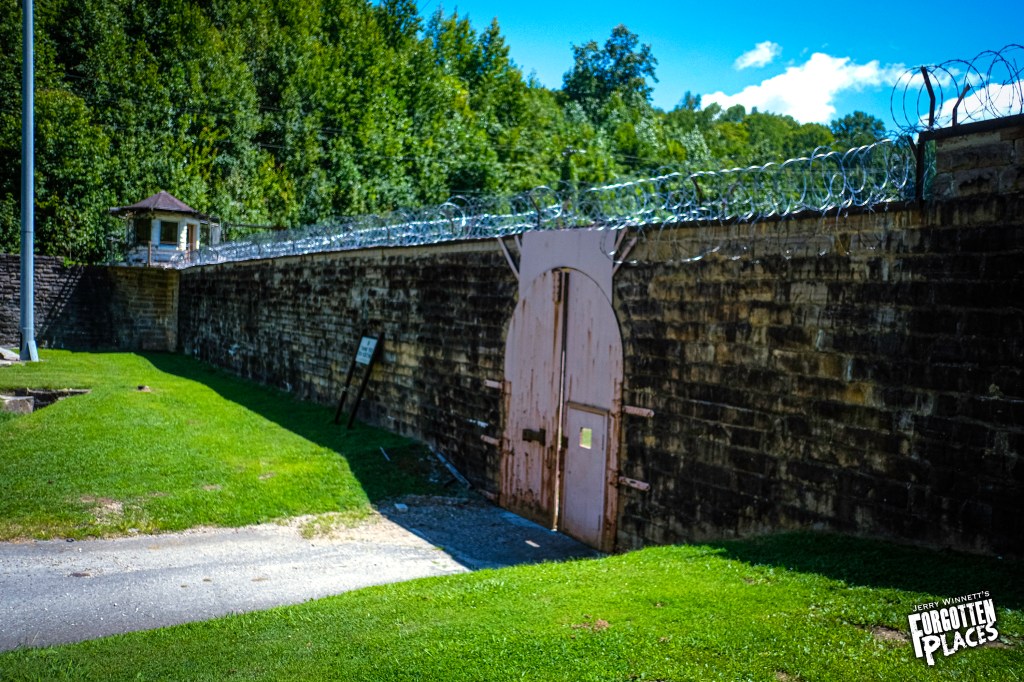
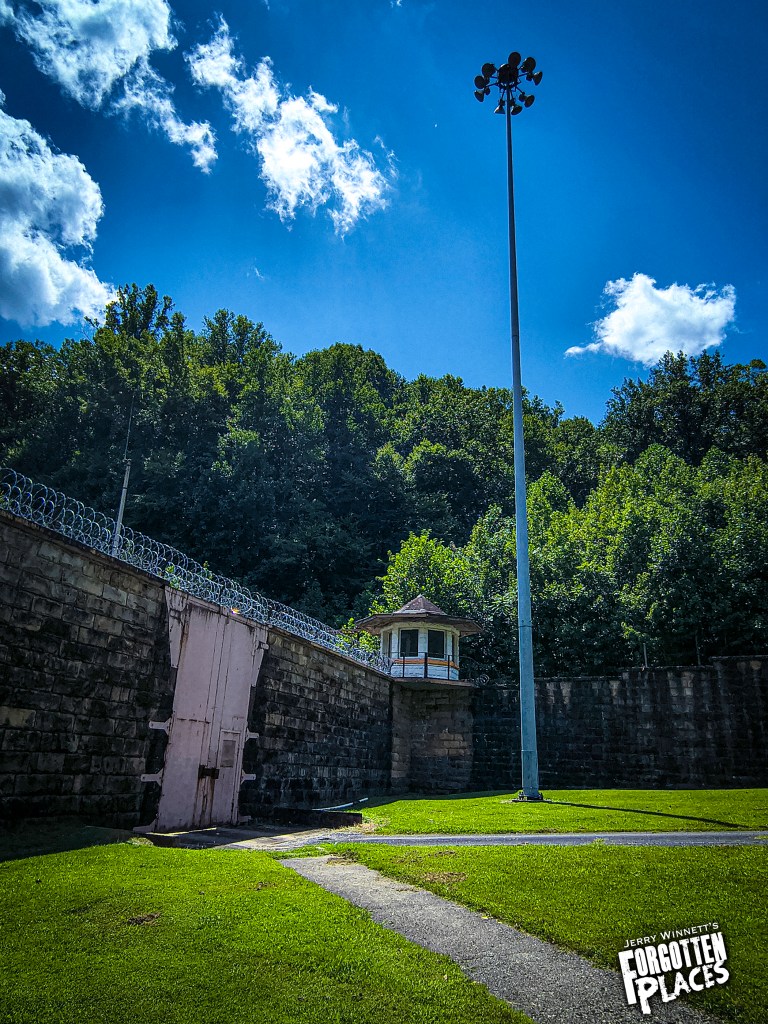
Planting my feet upon the ground I stopped and took a good long look at the foreboding building that sprawled to either side of the parking lot. Flanking the walls were thick stone walls that receded in the distance. That rear wall held back the green mountains behind them, just as it had once held prisoners inside. I didn’t immediately go into the prison. Putting my camera’s strap around my neck I walked the parking lot, and then to the base of left hand corner tower. Barbed wire wreathed the top of the walls, creating an intimidating sight, especially when paired with 40′ poles, topped with the alarm sirens, and flood lights. Those lights would have burned all night long. Sleeping with those lights brightening up the yard must have taken some time to get used to. Once I was done taking a few shots of the walls, the towers, and the prison’s brutally imposing exterior I went on in.
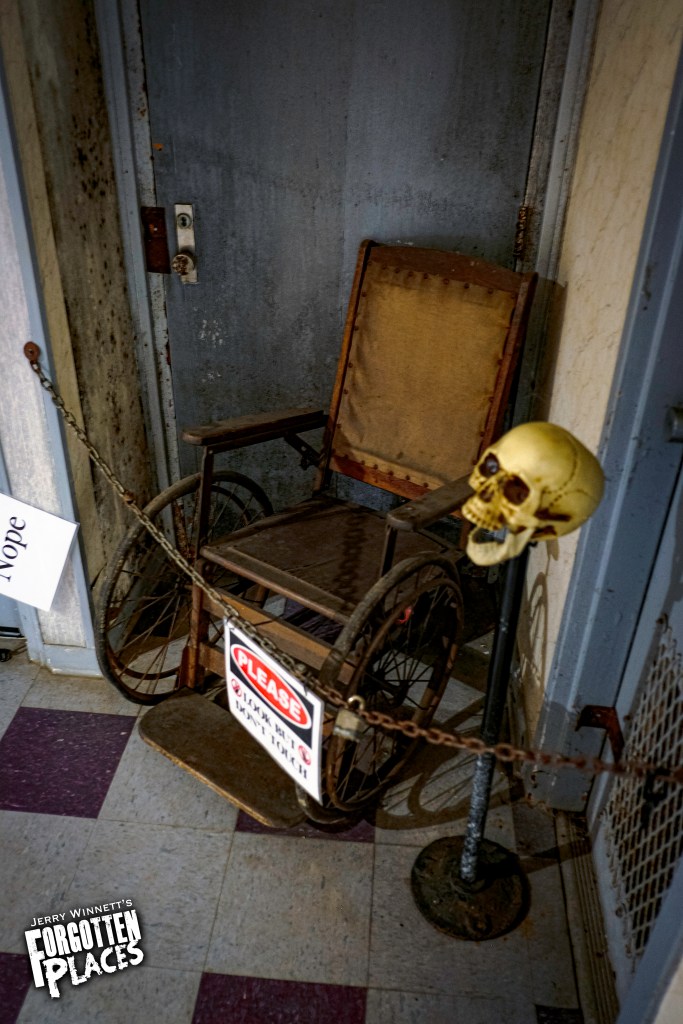
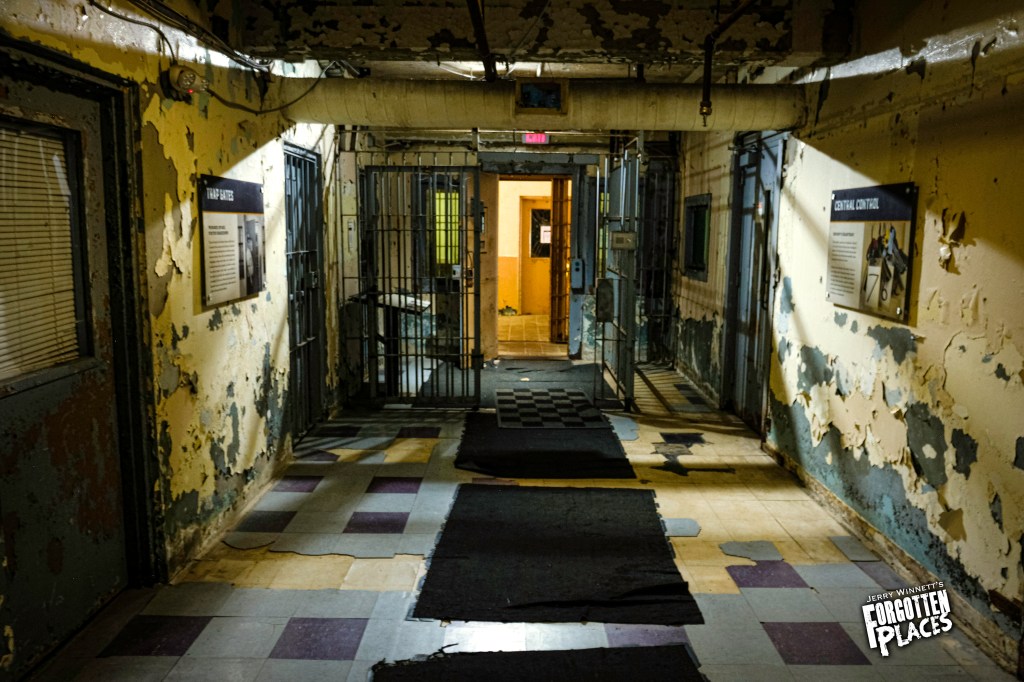
The entrance is intentionally bland. It’s meant to begin the process of dampening the moods of those who would be serving time. Hell, it dampened my mood and I paid to get in. Once inside you go to a small window and redeem your ticket. Here you’re given a device that looks like a cellphone, and comes with ear phones. On the device is a recorded track that walks tourists through the prison, and tells the listener the history of Brushy Mountain. The tour breaks down the prison blocks, and the routines inmates endured. The tour also highlights the more infamous prisoners such as Byron Looper, James Earl Ray, and Paul Dennis Reid, and George Hyatte. After redeeming my ticket I spied a skull placed upon pole, and standing by an ancient wheel chair. This skull is what greets visitors at the portico leading into the Control Area. Beyond is of course the hallway that leads to the prison’s rotunda, as well as cell blocks A and B. I’d like to tell you that I knew which Block I explored first. I wish I could tell you what was on the recording that goes along with the tour. But, I’d can’t. I was there to take photos. With that said I began to wander to the block to the right of me.
“Inmates and guards described the prison as ‘hell on earth’ and ‘the end of the line.'”
— Common consensus from historical documentation of the facility.
The Accommodations
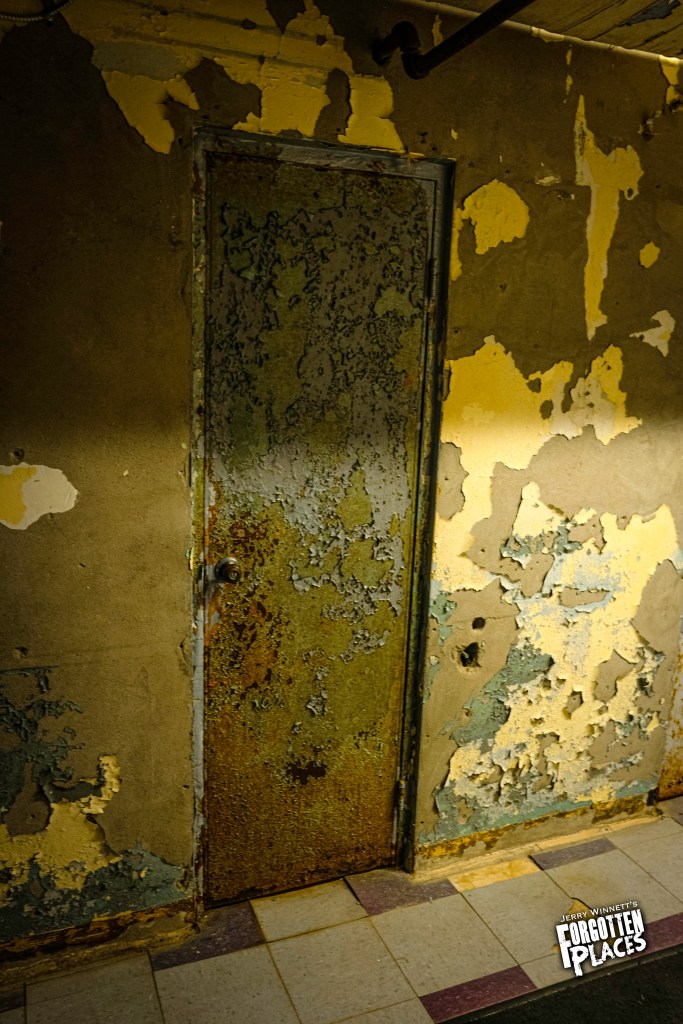
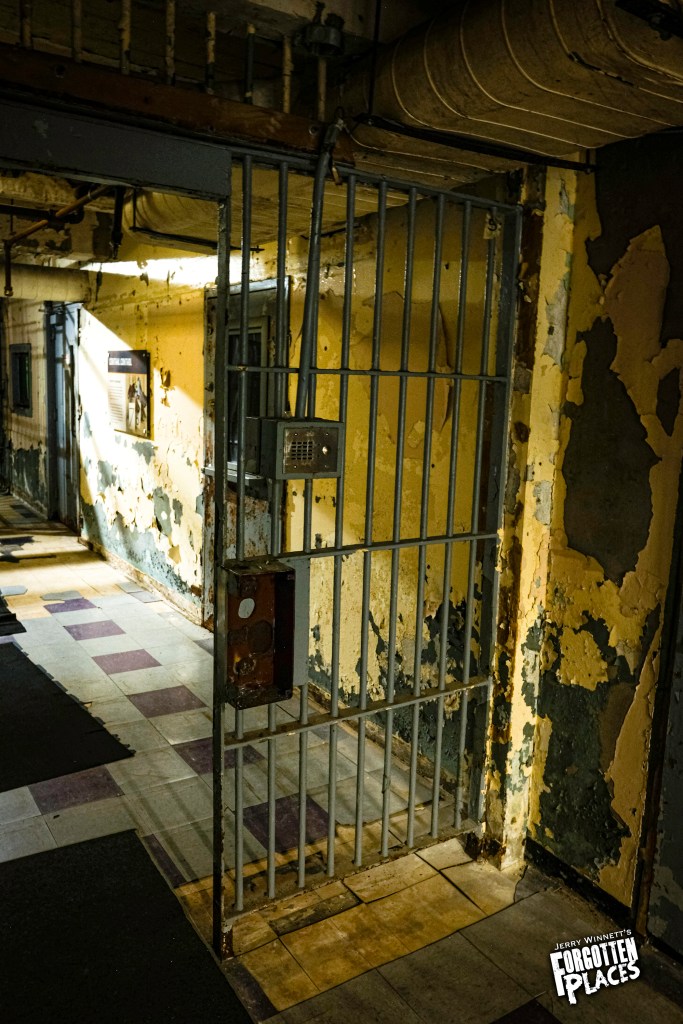
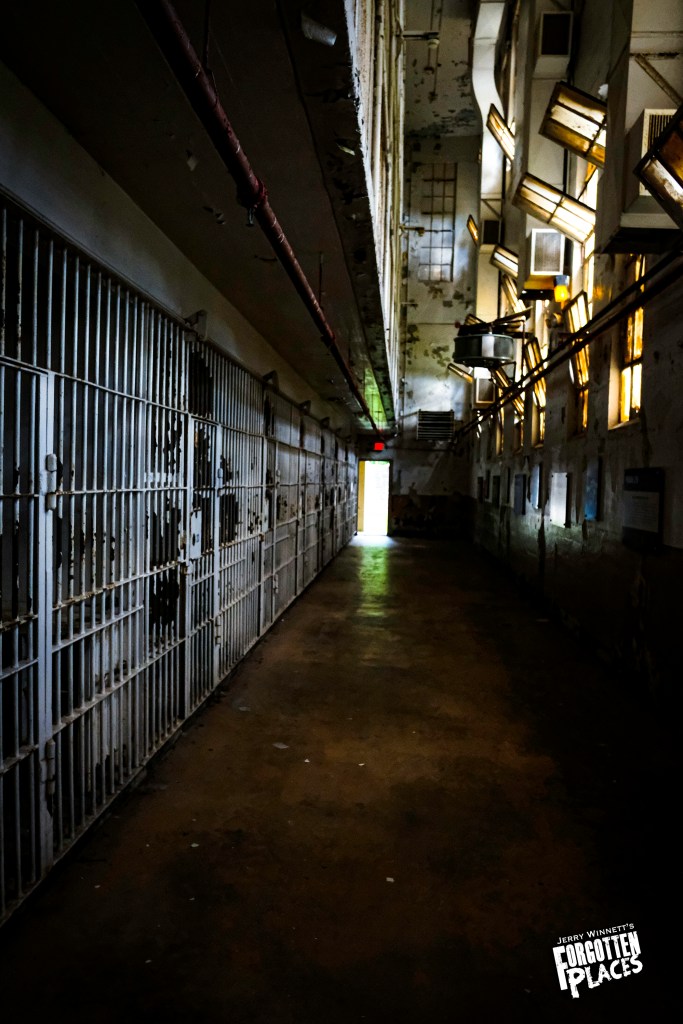
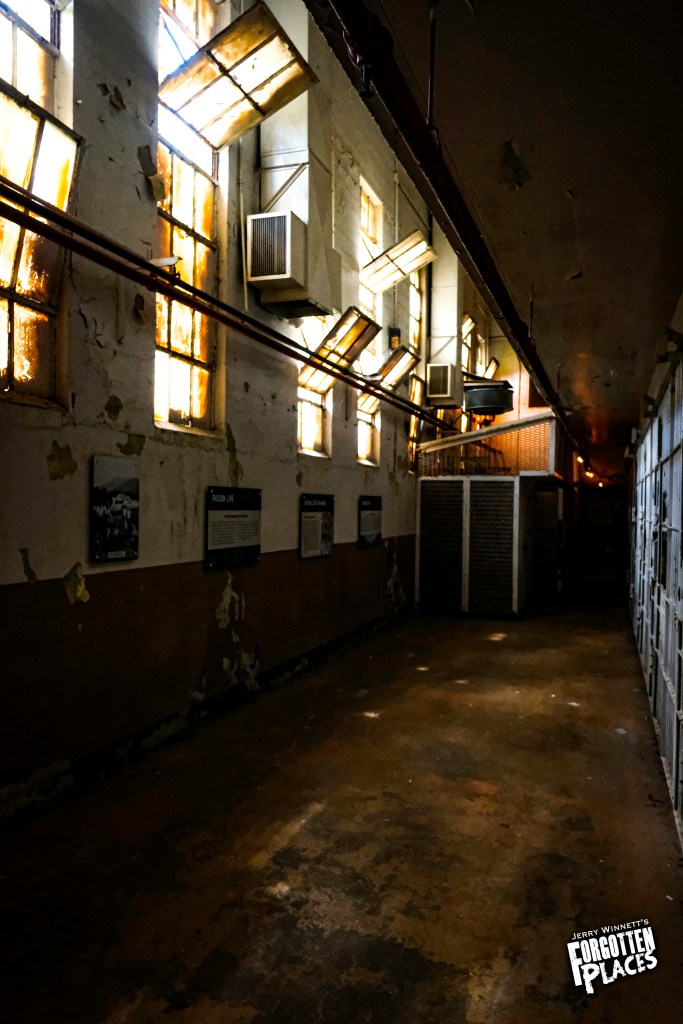
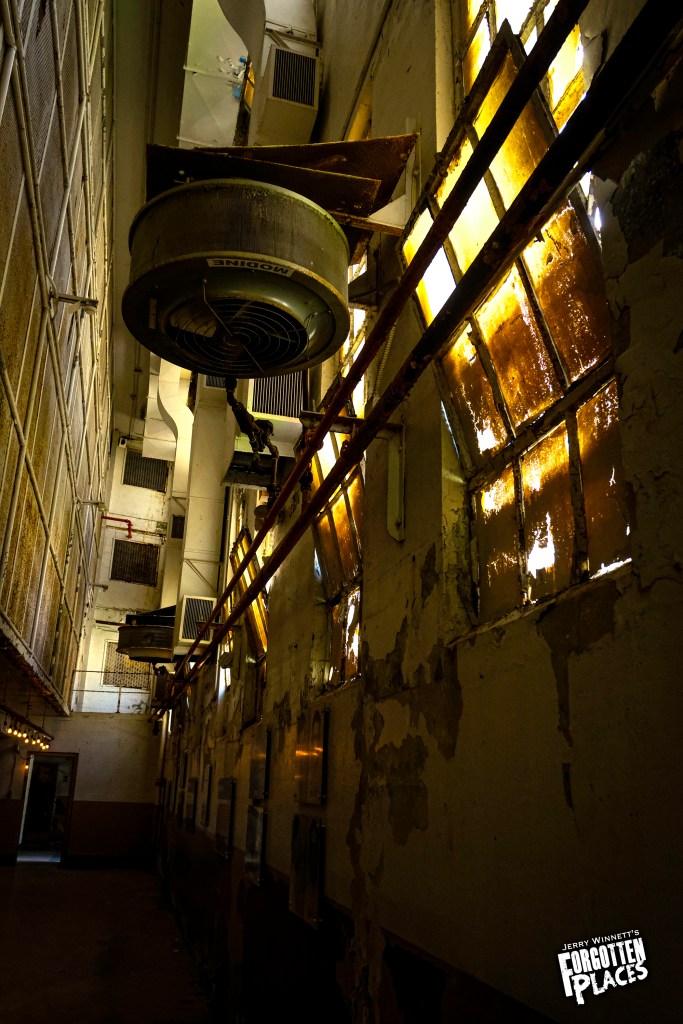
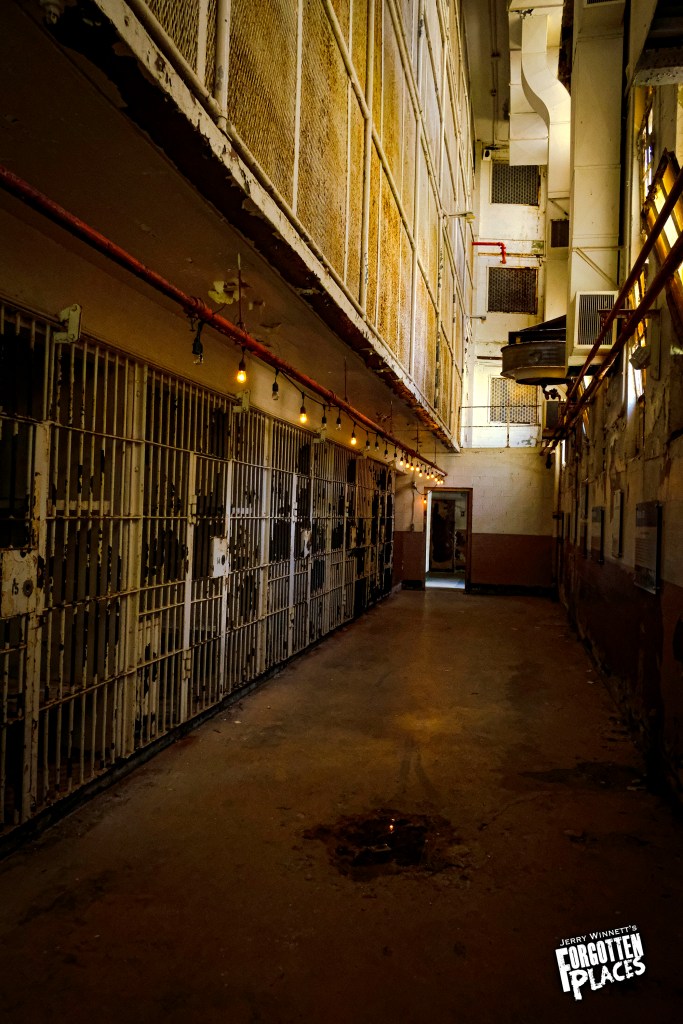
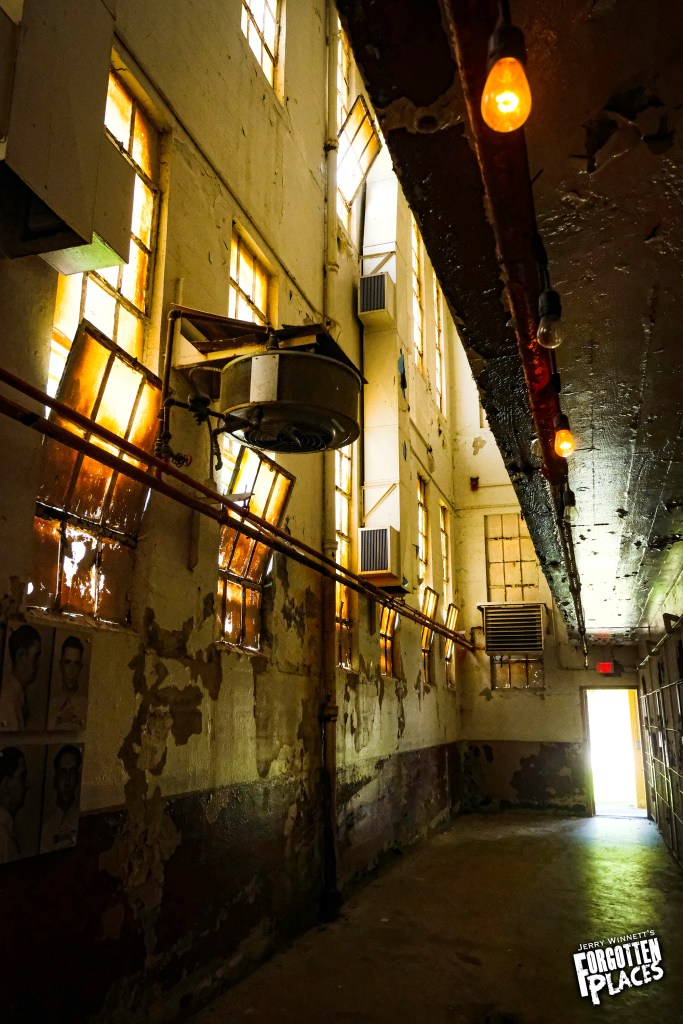
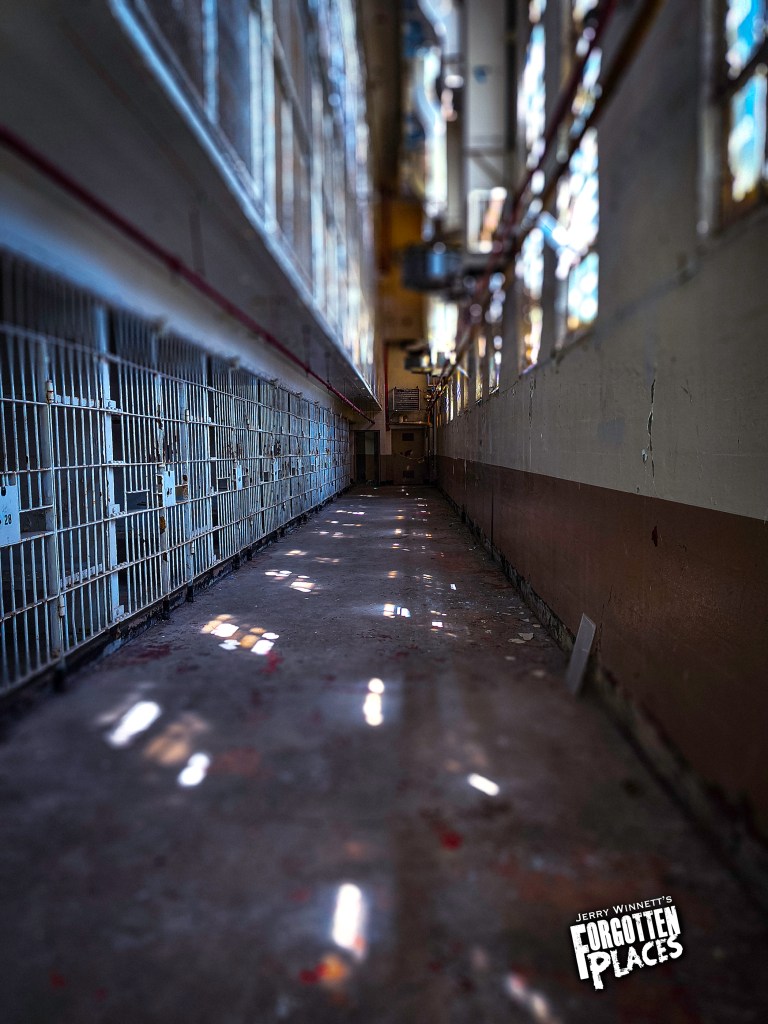
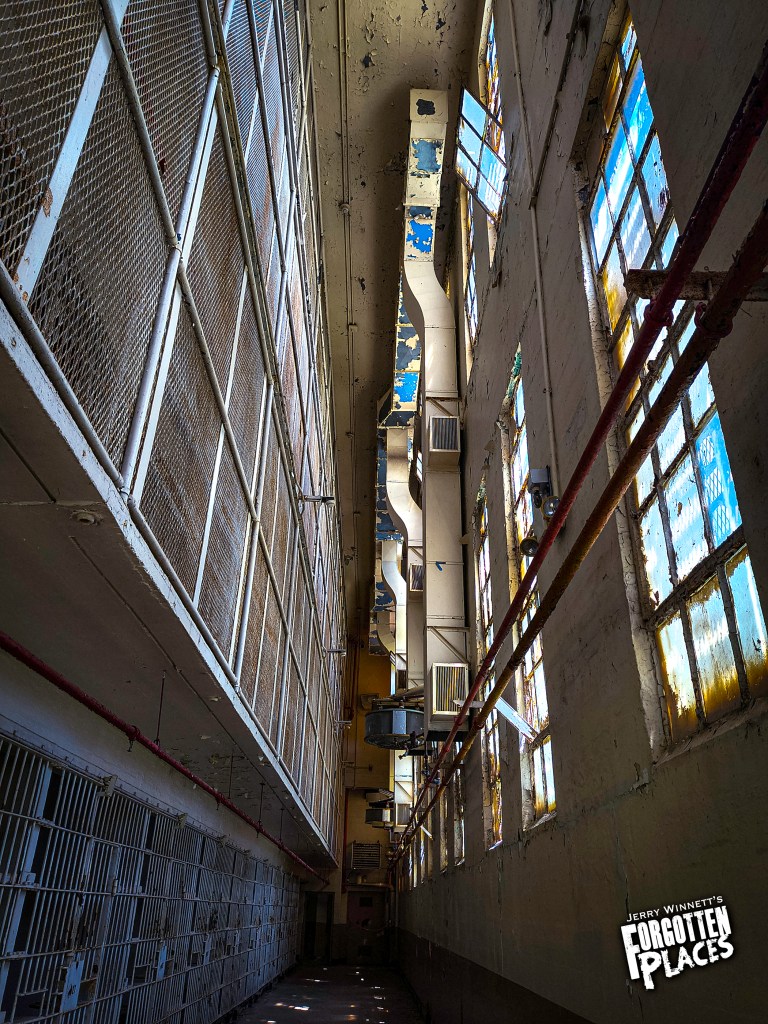
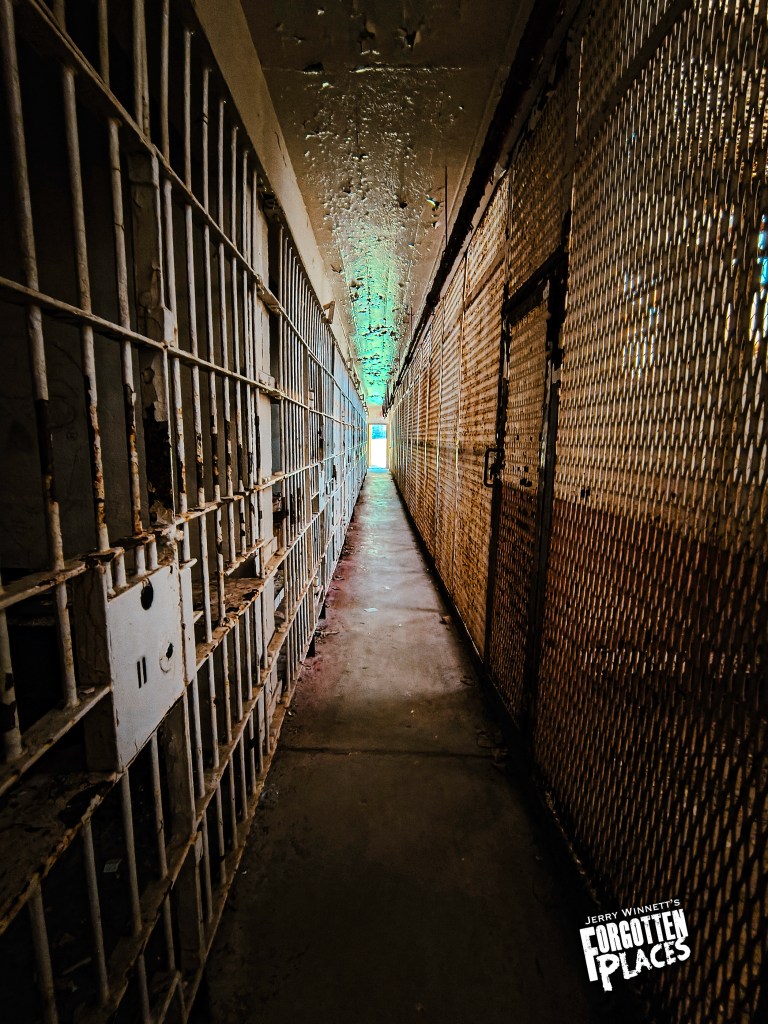
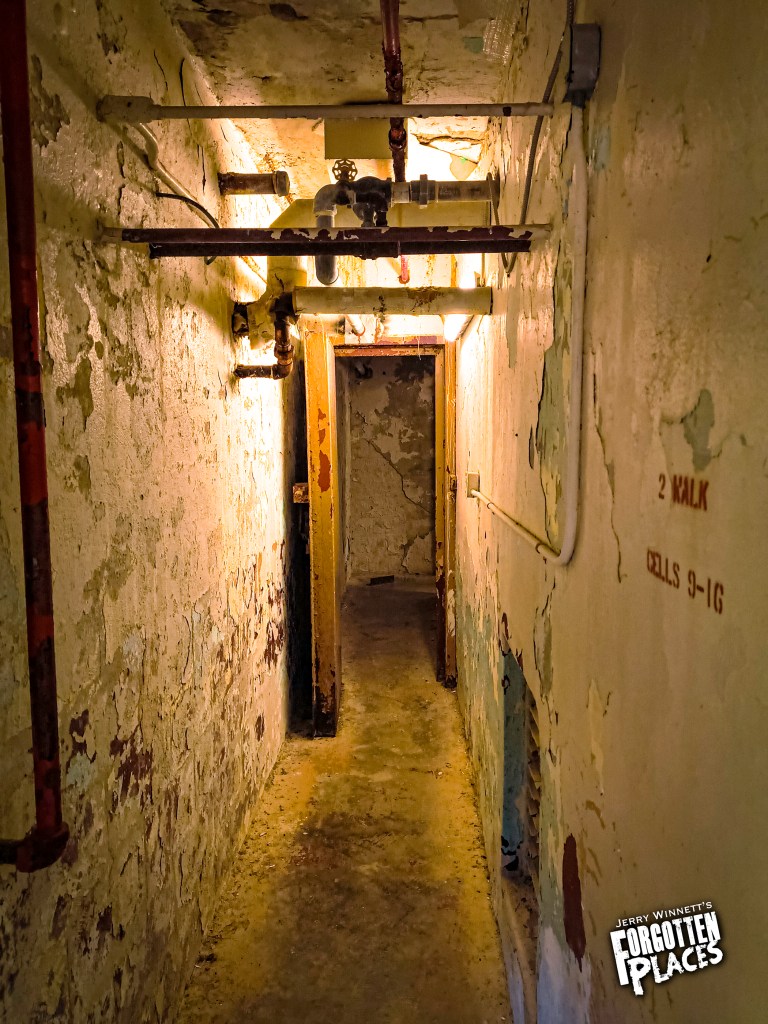
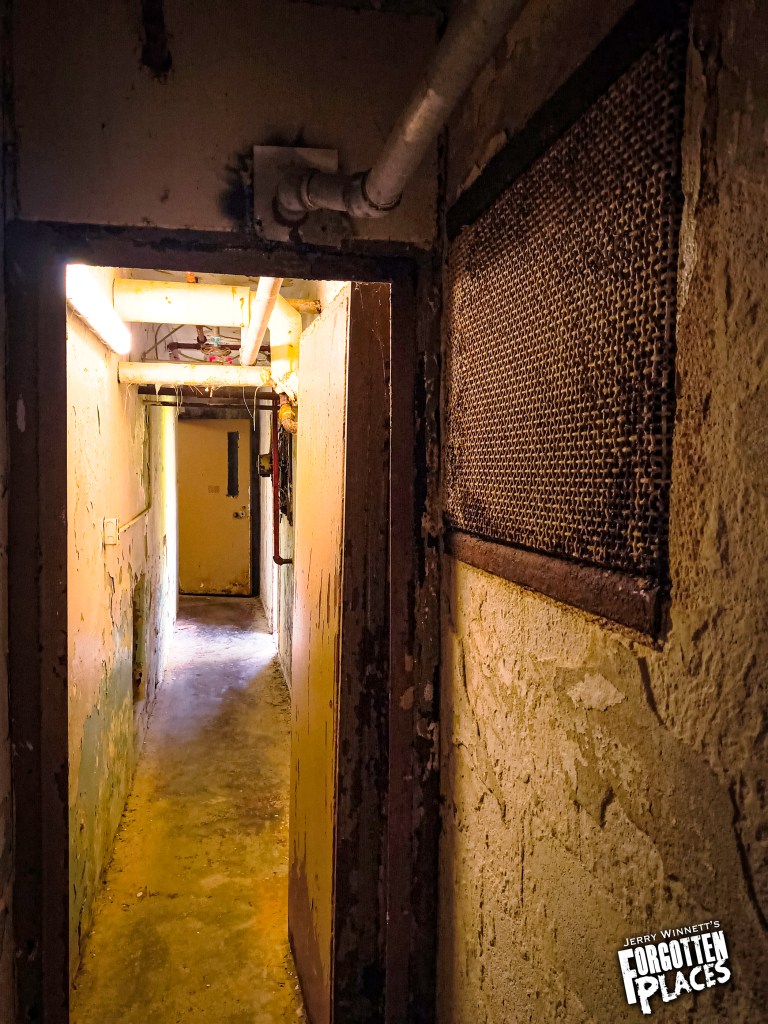
I took a left as I started my wanderings about the prison. If you are familiar with my work you know that the places I usually explore and document are truly abandoned, abandoned to the point where any false step could lead to injury and worse. Brushy Mountain was in contrast, in good shape, physically that is. It didn’t have the abandoned feel I’m used to.To be honest, I don’t feel the prison could ever be truly abandoned. In the century that the prison was in operation thousands entered these gloomily depressing walls. They dwelled within its cramped cells. They showered at the end of each wing in areas that afforded little to no privacy. Prisoners climbed up and down the tiers of each wing. In the mornings they rose early, and then toiled in the mines. Winter, Summer, Spring, Fall it was all the same. I could almost feel the restless presence of those who served in Brushy. Eventually after years of punishment and assuming their sentences were not life long, prisoners left Brushy, either on the legs or in a wooden coffin. All those souls in one form or another left their mark.
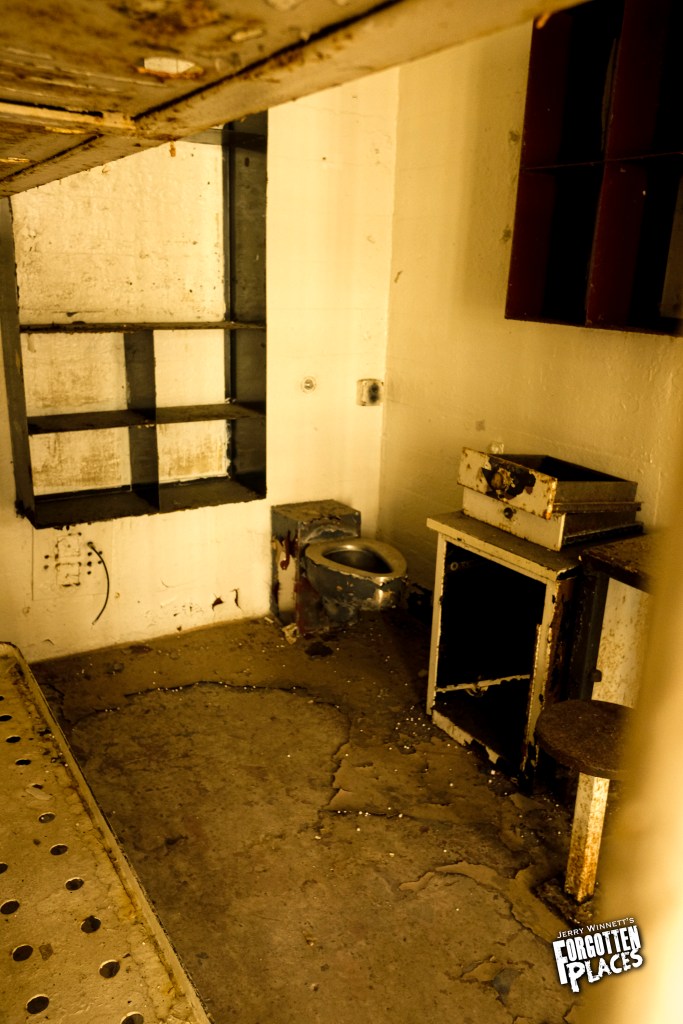
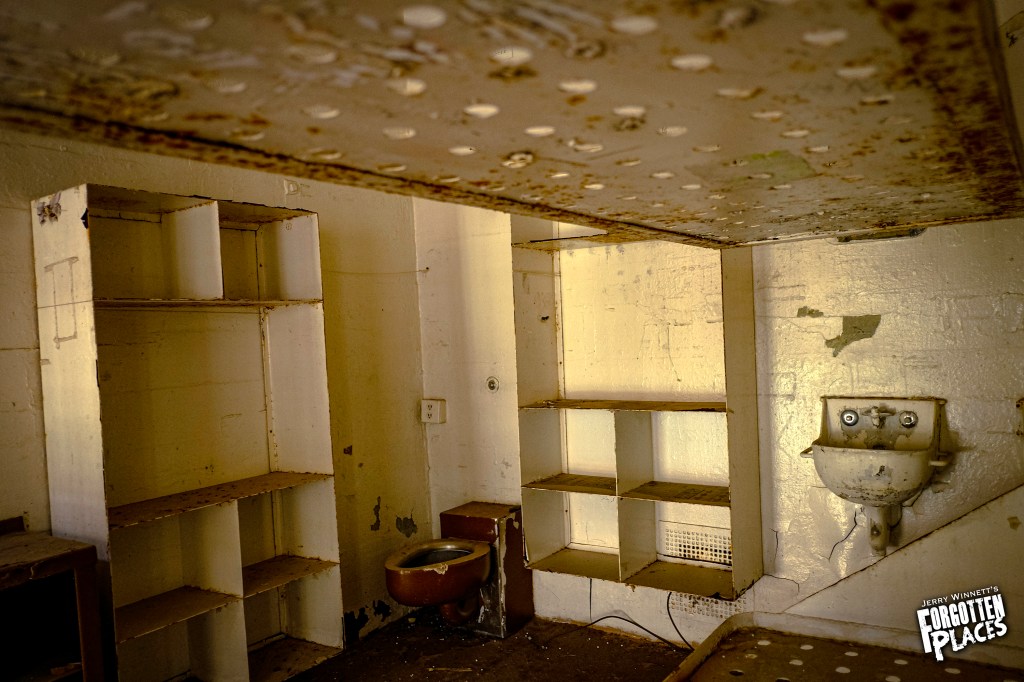
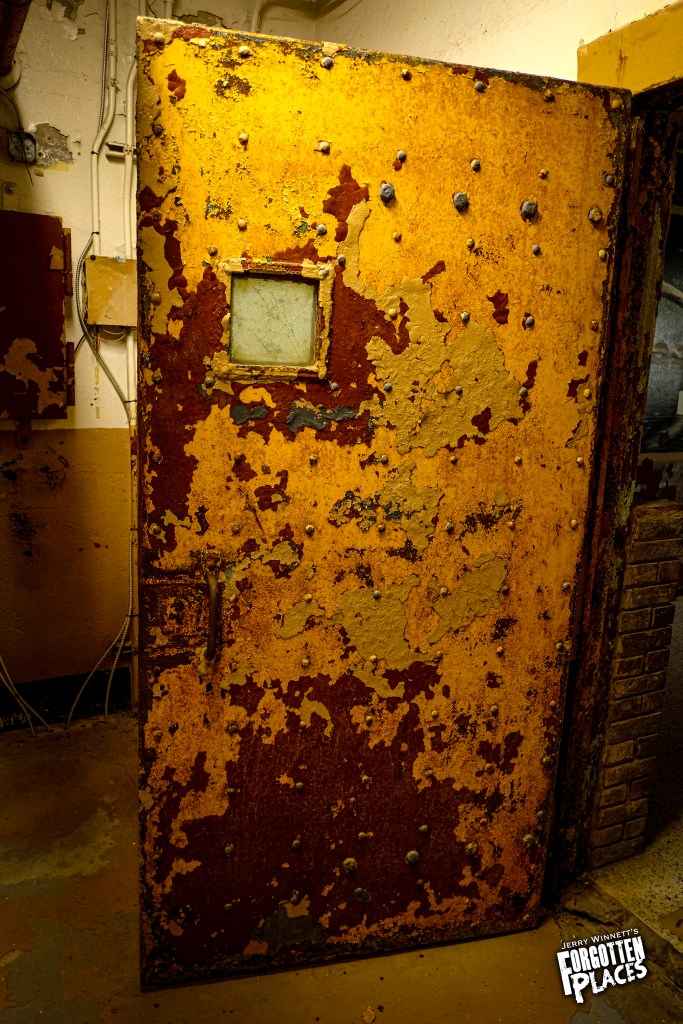
These are two cells from different wings. Grim is the only word for the accommodations.
Brushy Mountain’s Barber Shop. ” Just take a little off the top”.
The Mess Hall
Visitation
Glum. That was the feeling that permeated the air. I don’t want to know how the inmates felt when they were here.
Inside the yard
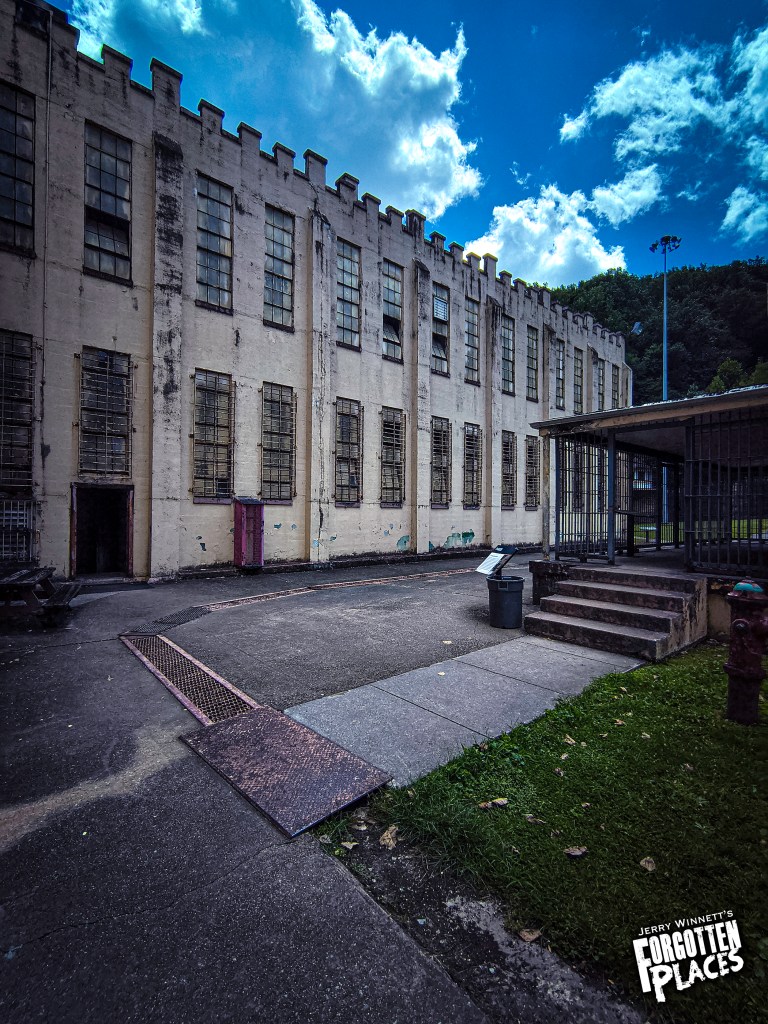
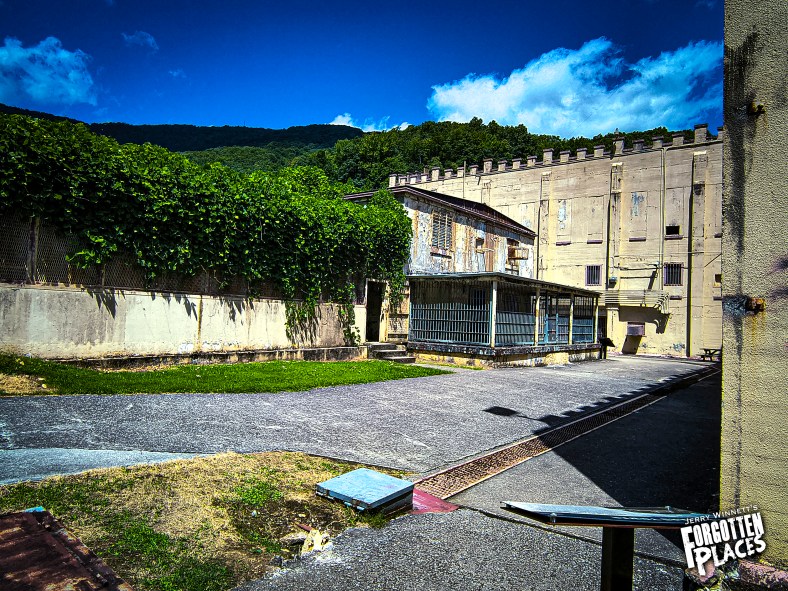
I decided to take a stroll into Brushy’s yard. The only thing that I imagine the inmates may have enjoyed about being at Brushy may have been the land surrounding them. Still, no matter how pretty the view was, the surrounding greenery was like seen as just another bar to freedom. Brushy was on a mountain, surrounded by forrest, and thick foliage from spring to Fall. I doubt fall or Winter would have mattered, escape from Brushy was futile. Those who escaped Brushy were captured within days, this included James Earl Ray, the man who shot and killed Martin Luther King, Jr.
No matter where I turned I was surrounded by grim, daunting walls. Walls of steel, walls of stone, walls of green, all the same.
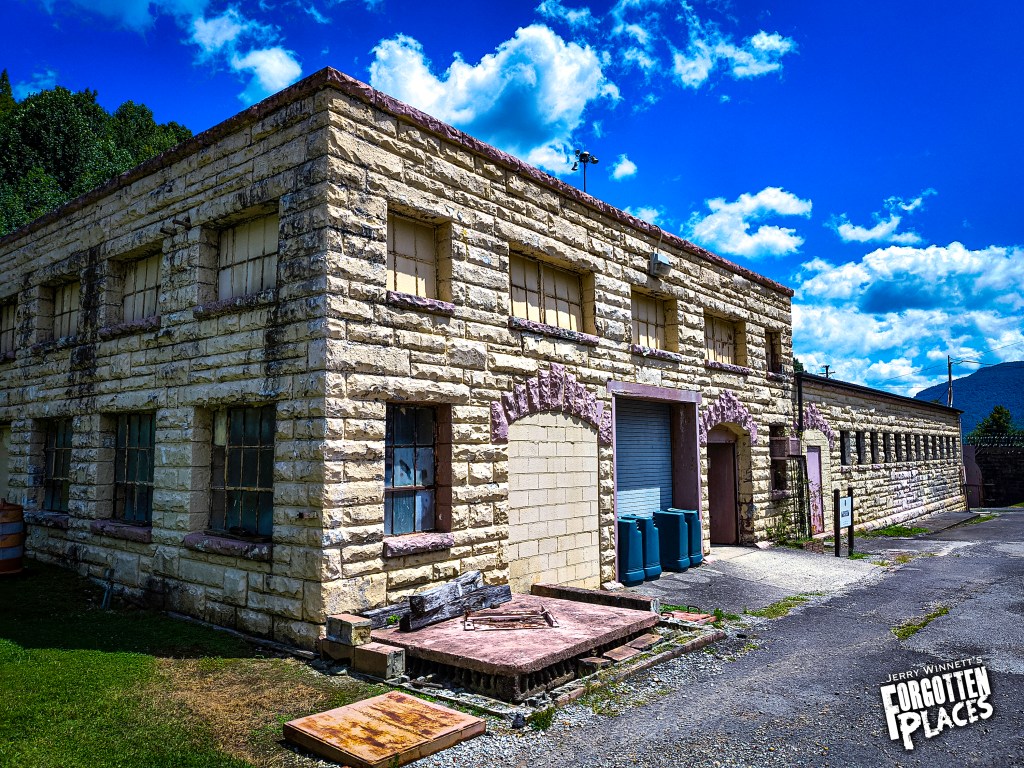
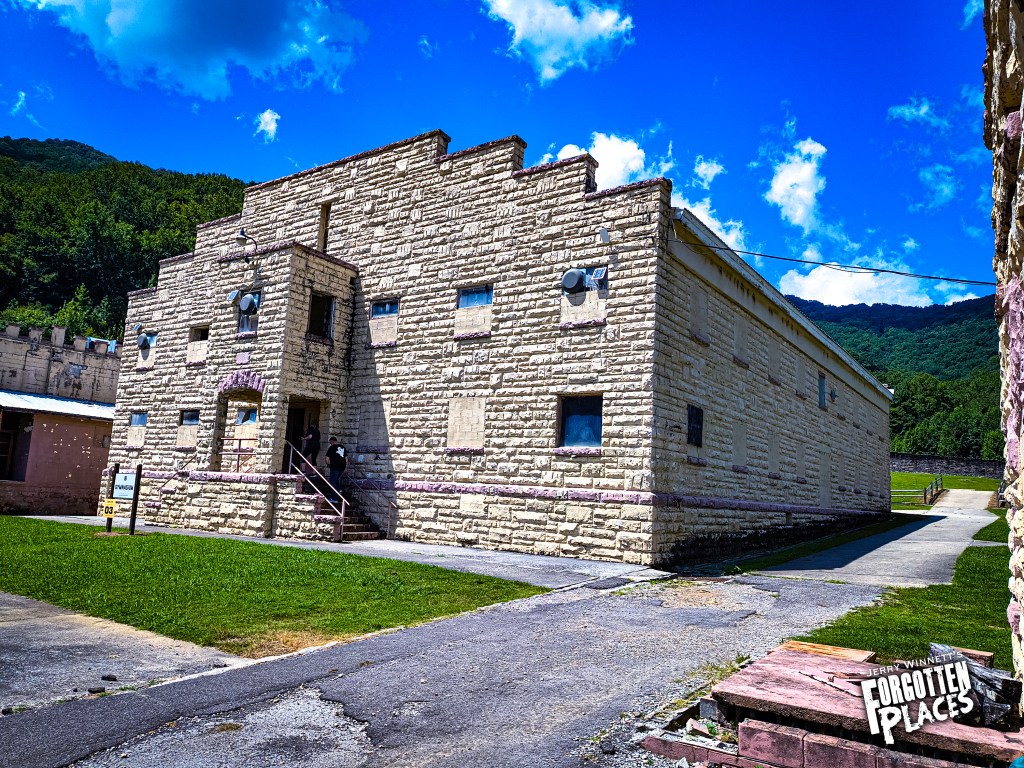
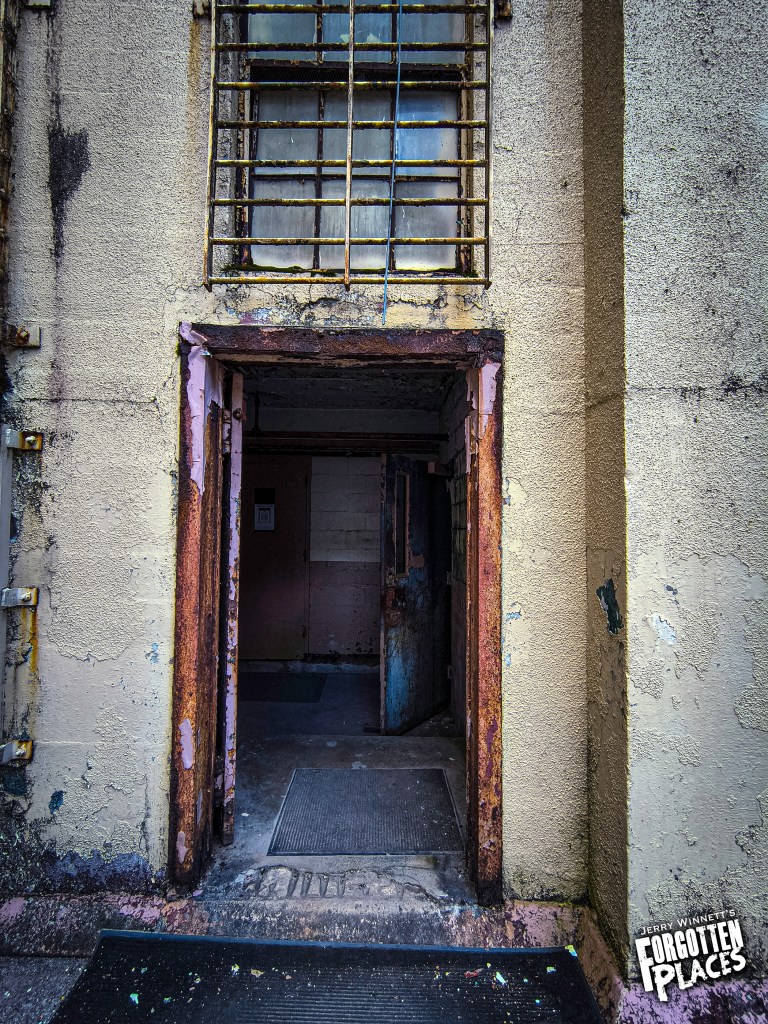
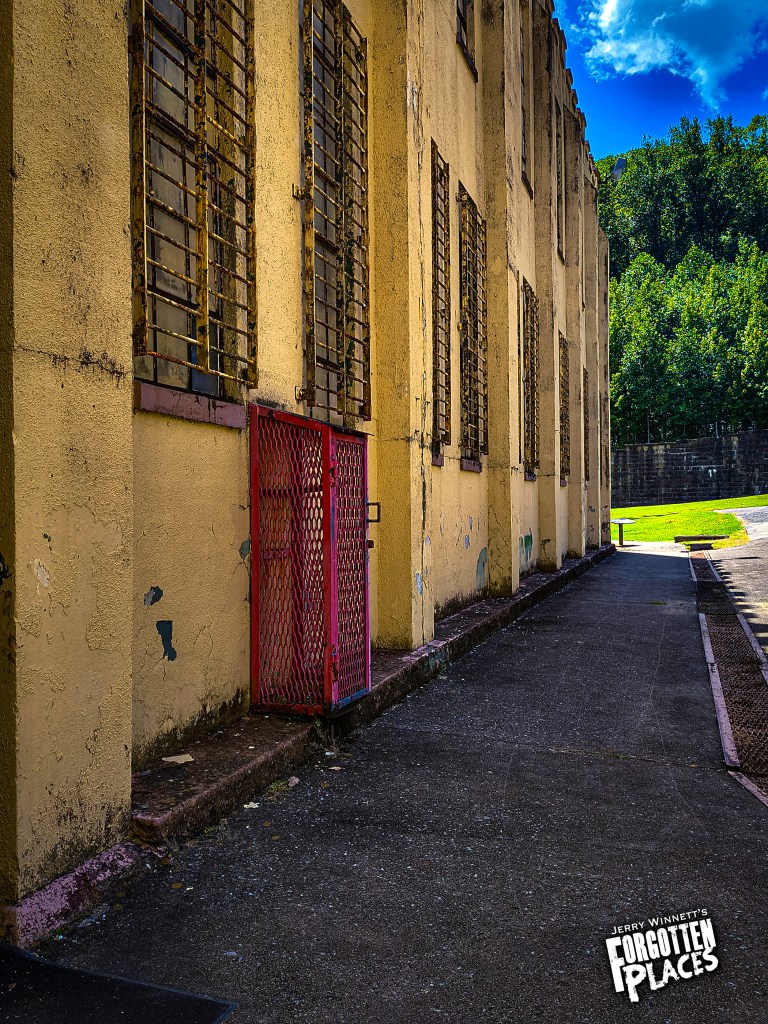
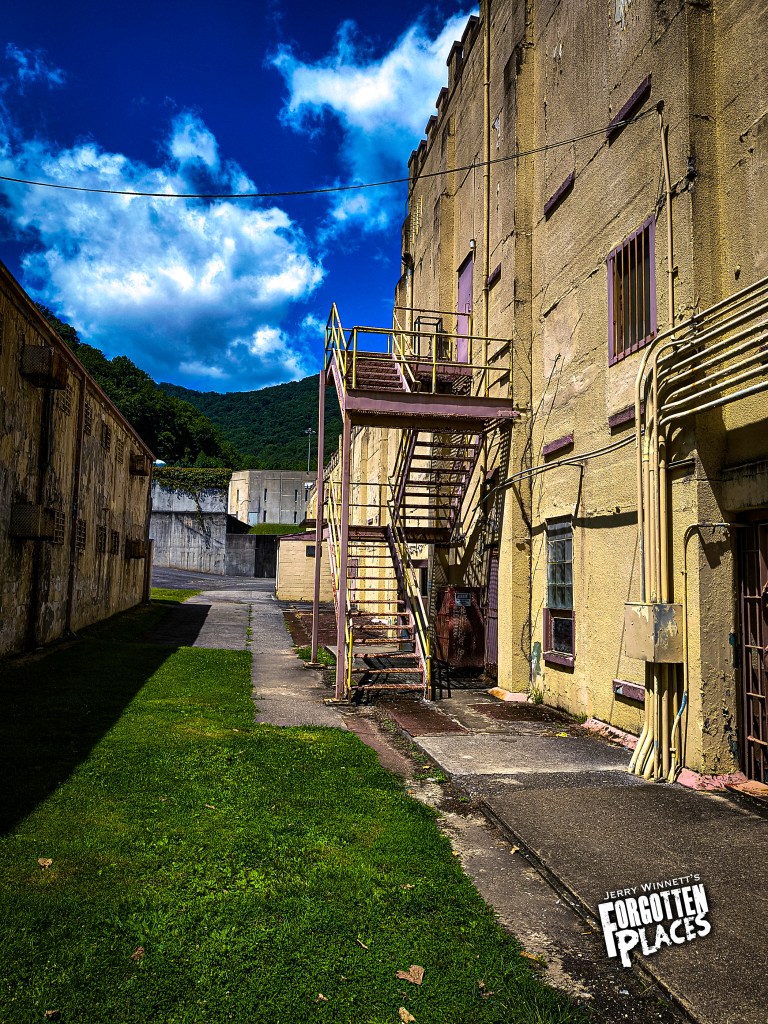
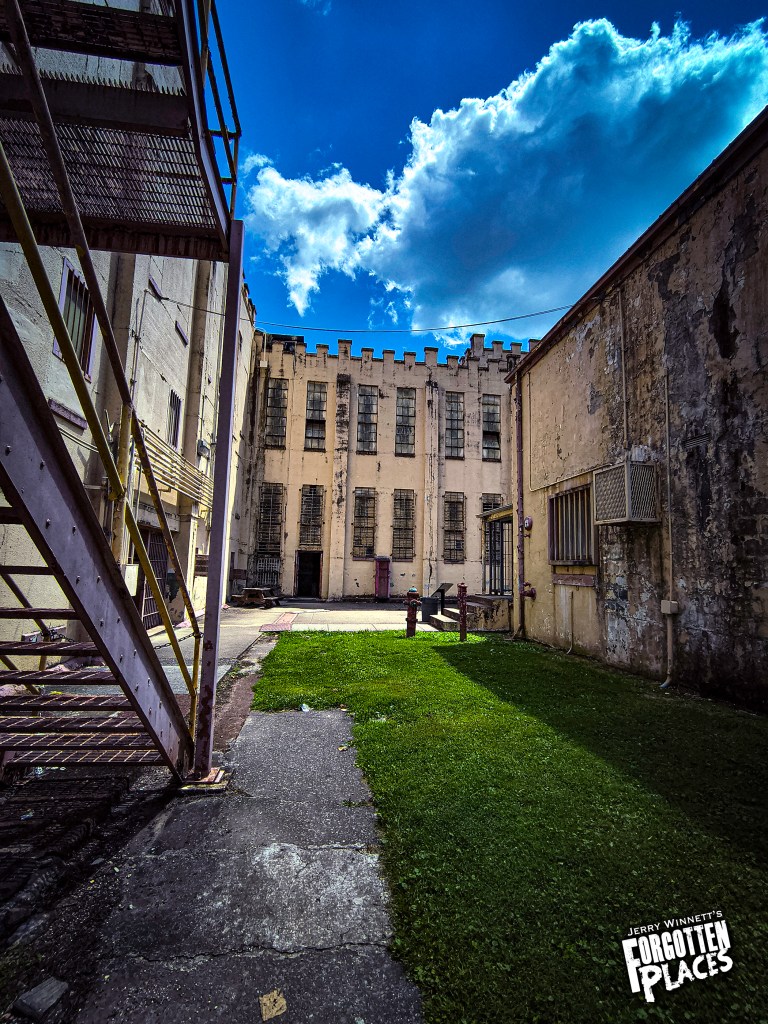
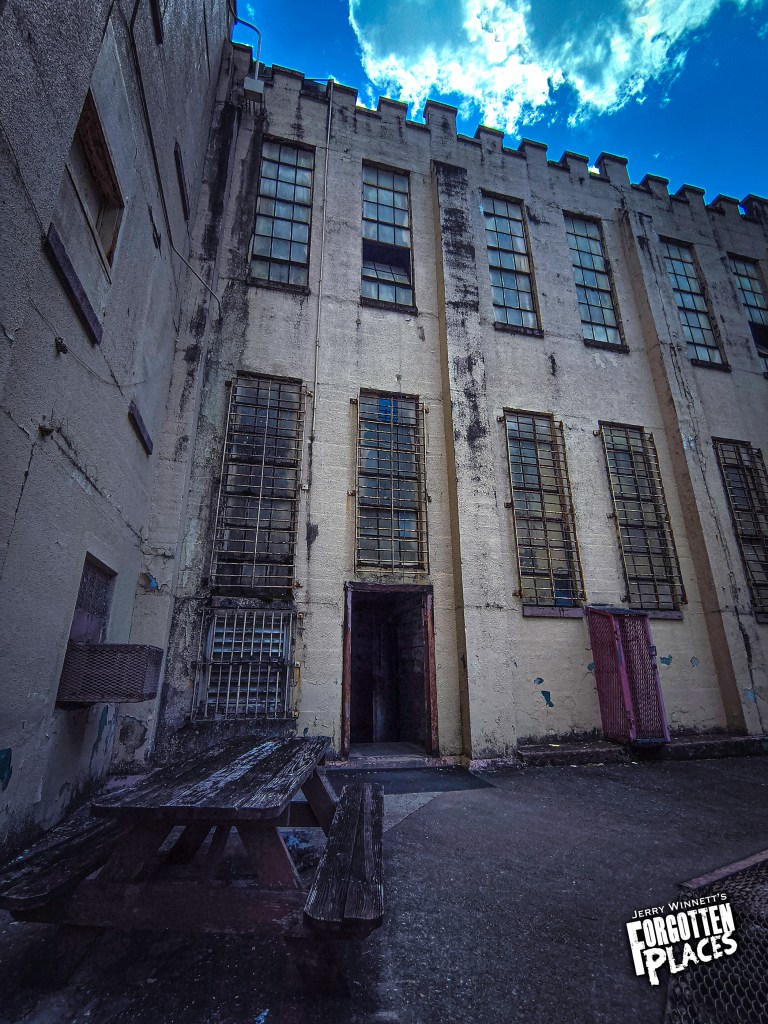
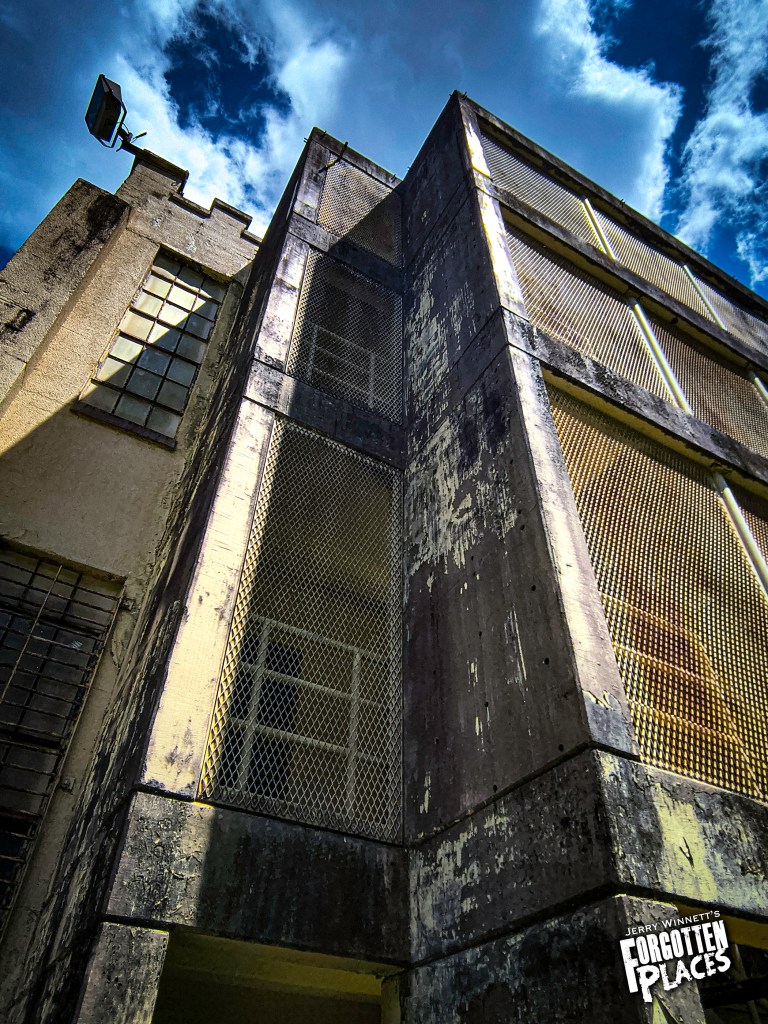
As imposing as the walls were, the buildings them selves were even more oppressive. I strode from the main building to the main yard, and then over to the yard to the side of the prison. These buildings even further enforced the idea of there being no escape.
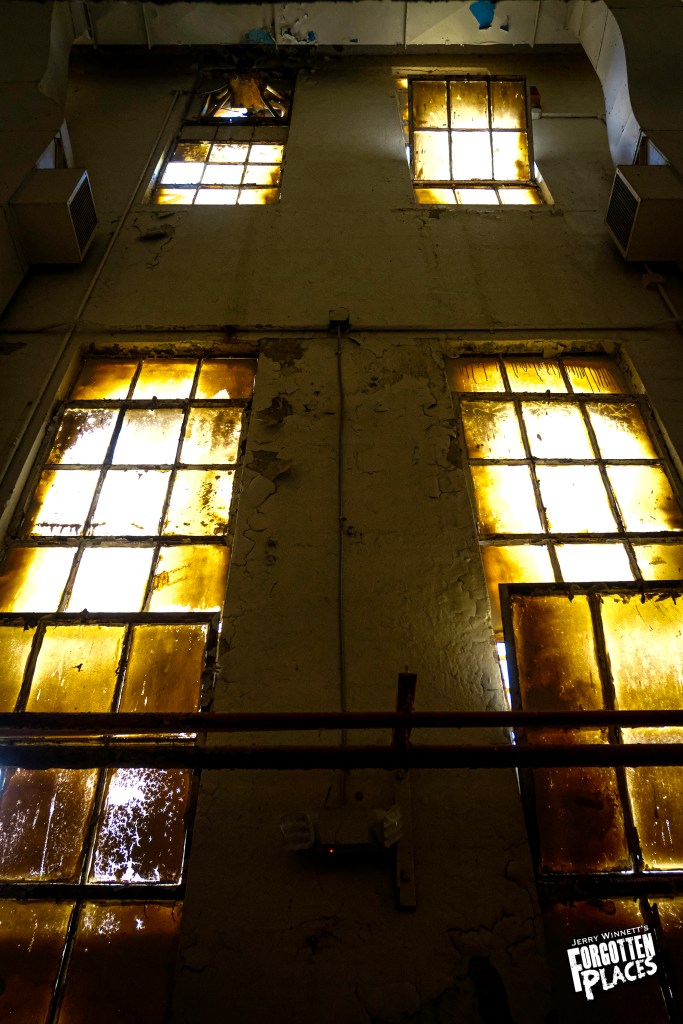
No, this building is not a thousand miles tall. Nor is it a thousand miles wide. But, it felt that way as I stood there looking up into an eternity.
“An estimated 10,000 people died at Brushy Mountain State Penitentiary over the course of its history”. – The Highland Echo
Causes of Death at Brushy Mountain
Harsh Labor: Inmates spent long hours working in dangerous coal mines under brutal conditions and physical abuse.
Disease: Outbreaks of syphilis, tuberculosis, typhoid fever, and pneumonia were common and widespread.
Violence: Overcrowding, poor living conditions, and frequent stabbings or prison attacks contributed heavily to the death toll.
Executions: At least 100 official executions were carried out at the facility during its operational years.
– Historic Brushy Mountain State Penitentiary
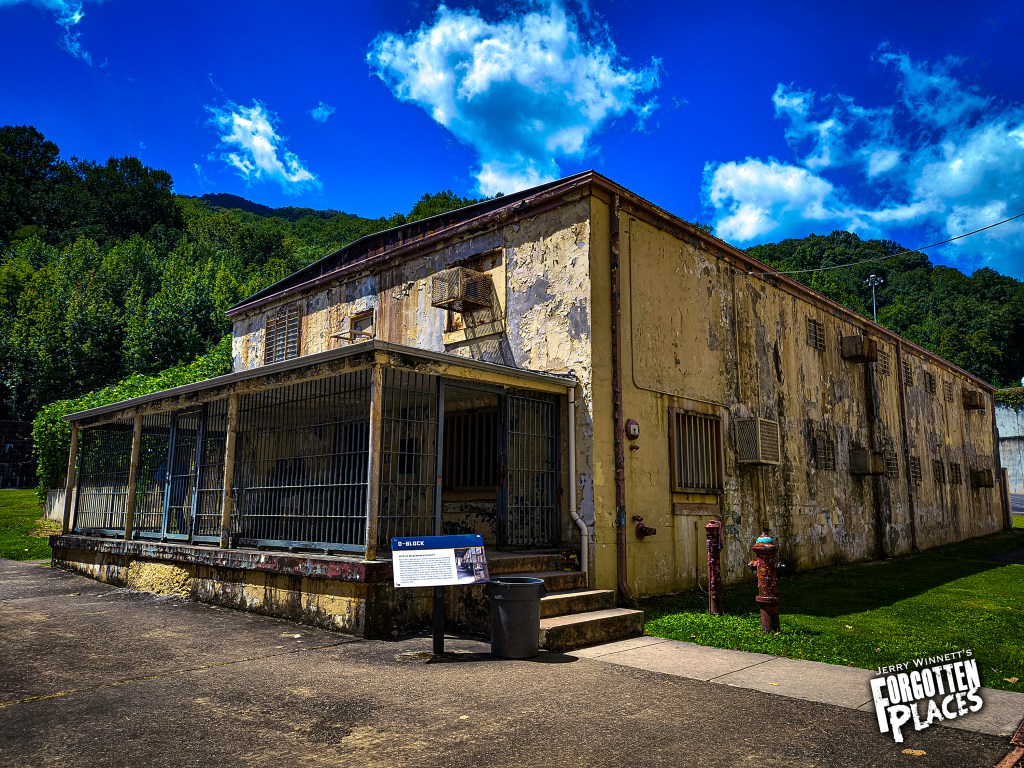
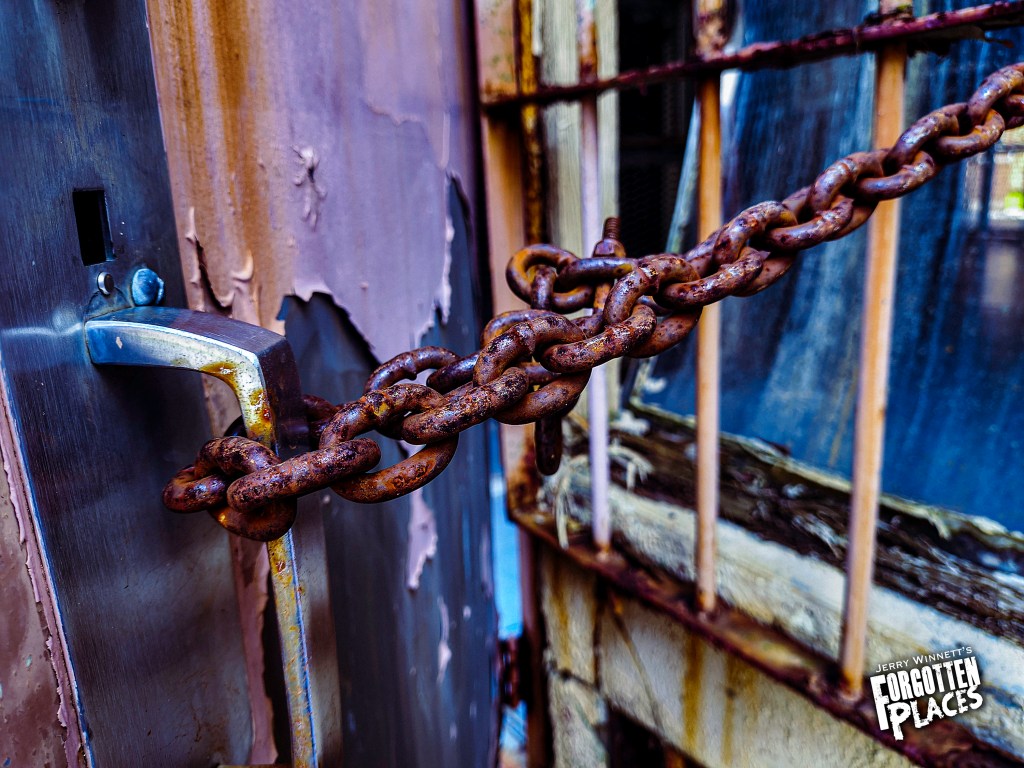
This small, dour, moldy, vine covered building housed inmates that were equally daunting. Of all the buildings inside the grounds of Brushy Mountain, only D-Block truly brought home the true gravity of the institution.The walls of D-Block felt as if they soaked up every ounce of life a man might have had left to him. The only thing “Old Sparky”, the gallows, or later the “injection”, really did was finish the job that D-Block started.
“Criminals do not die by the hands of the law. They die by the hands of other men.” ― George Bernard Shaw, Man and Superman
“Why, then you go on to Death Row at state prison and just enjoy all that good food until it’s time to ride the lightning. It won’t be long.” – Stephen King, the Green Mile
A disturbing secret garden
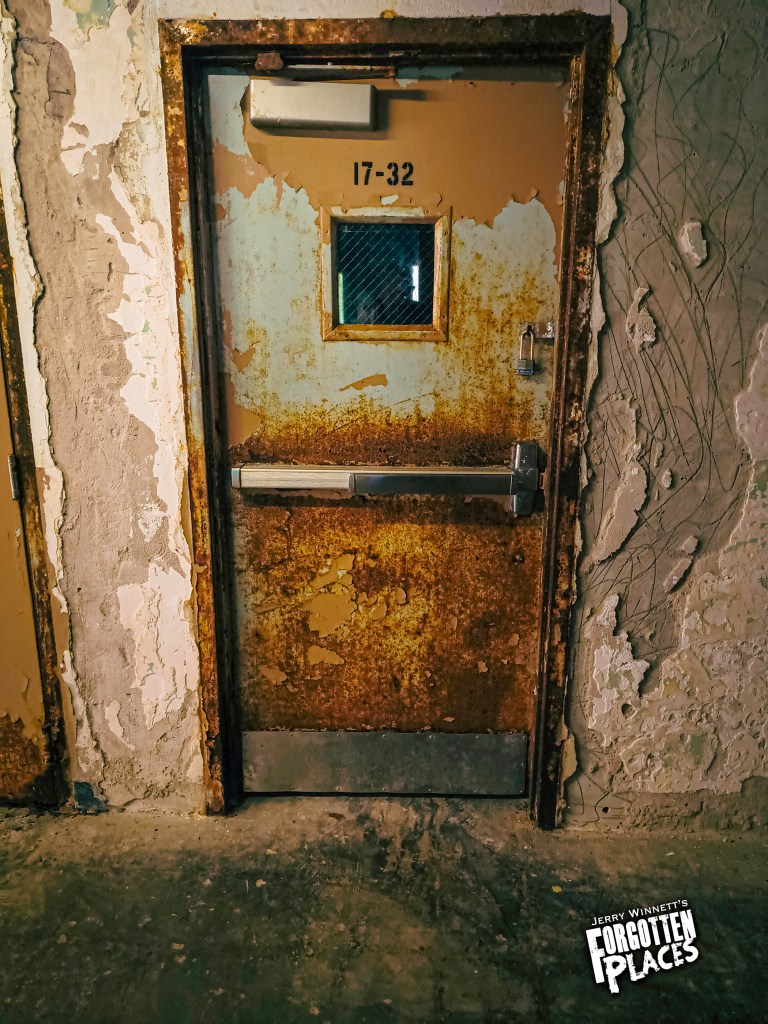
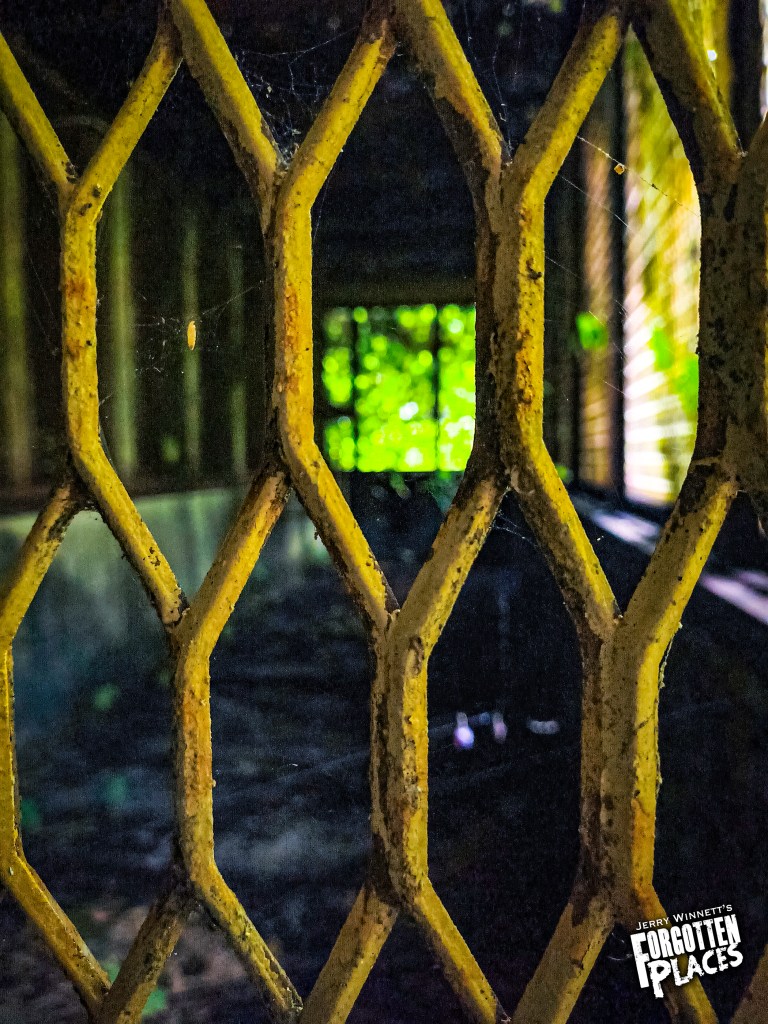
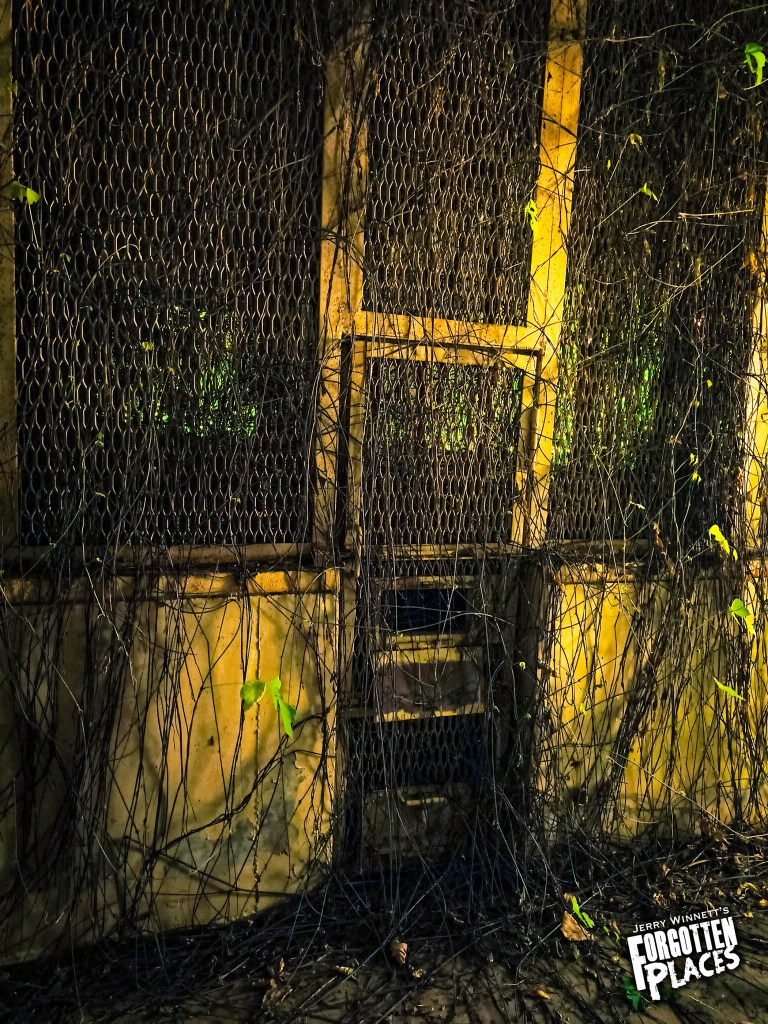
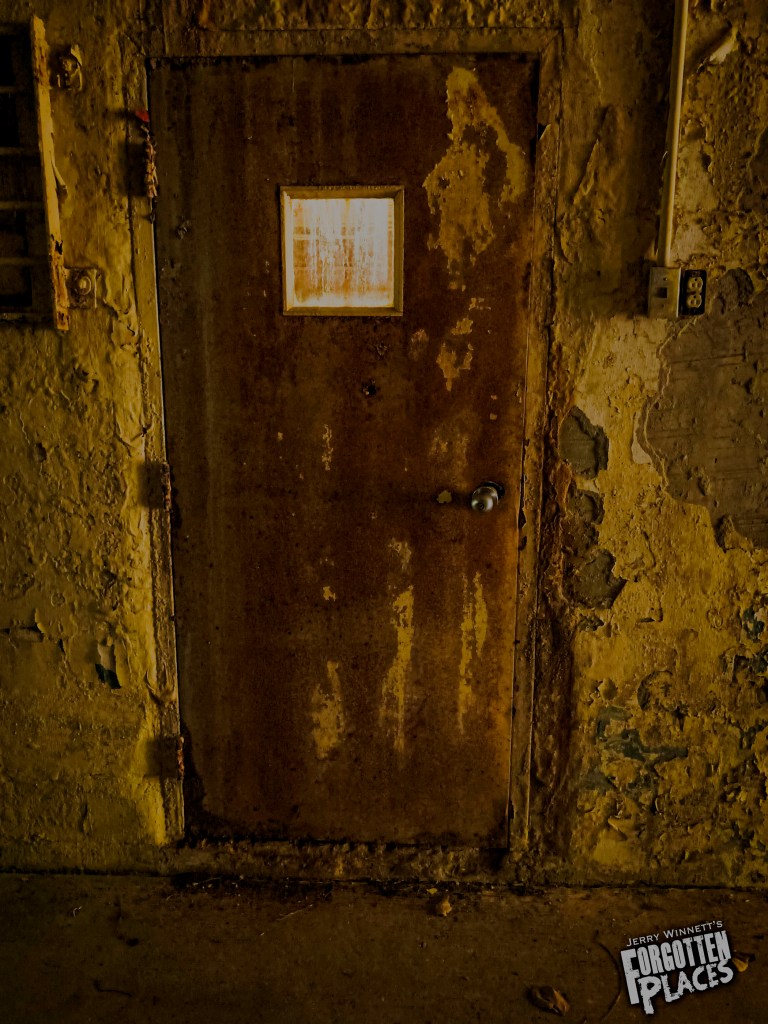
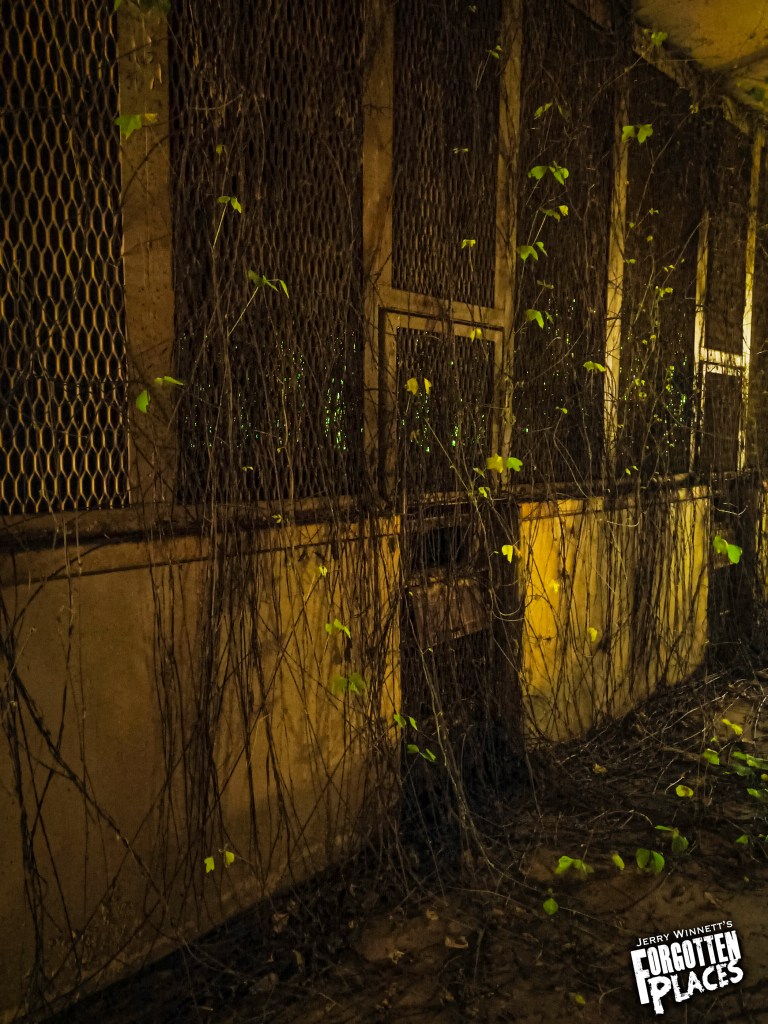
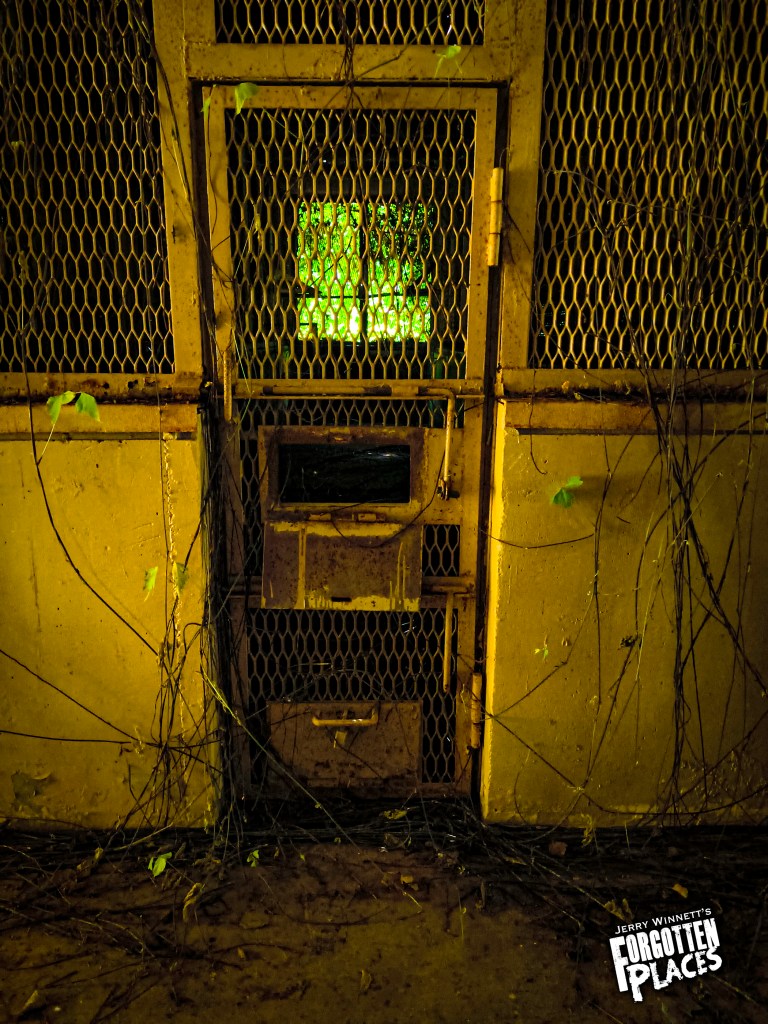
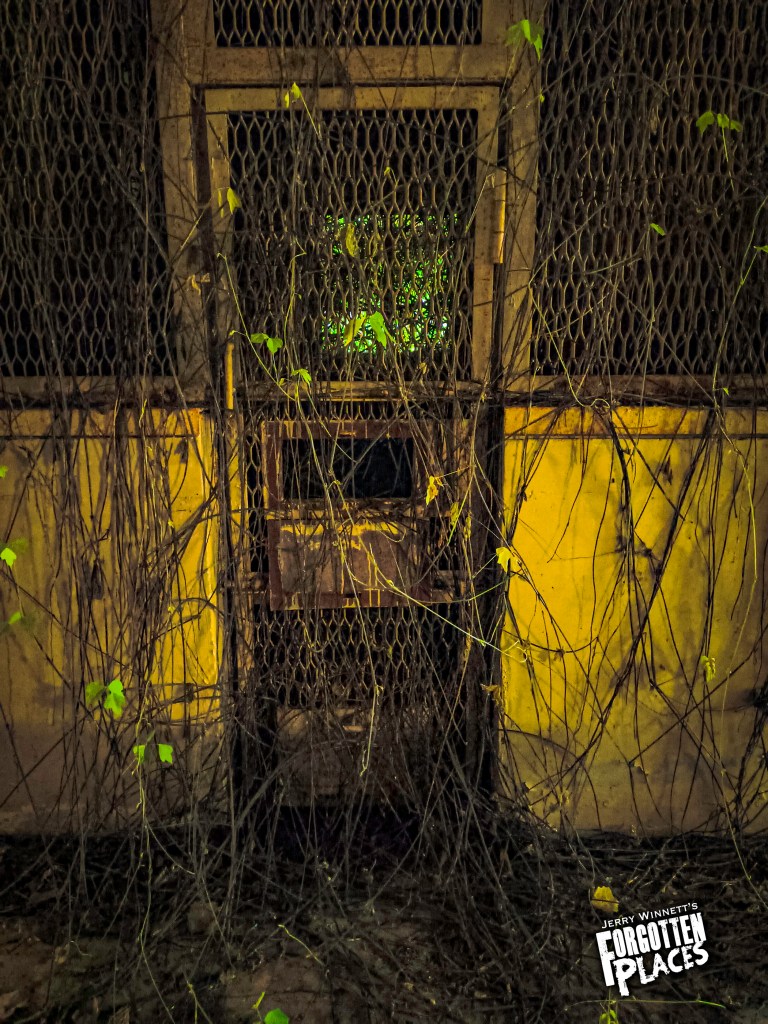
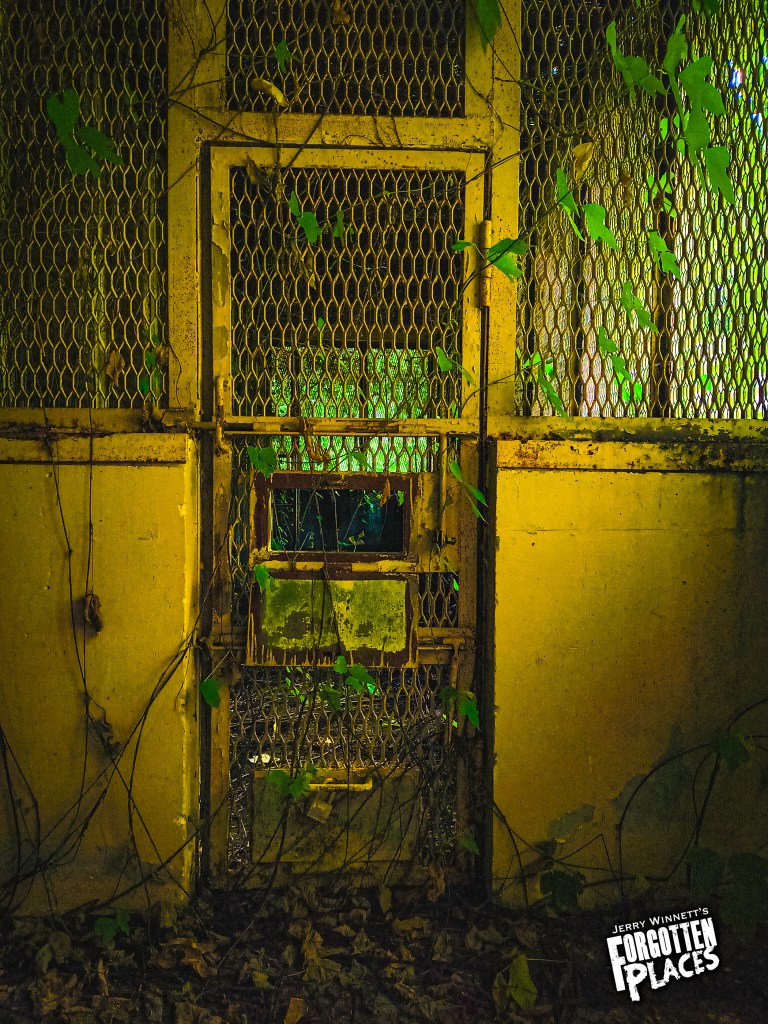
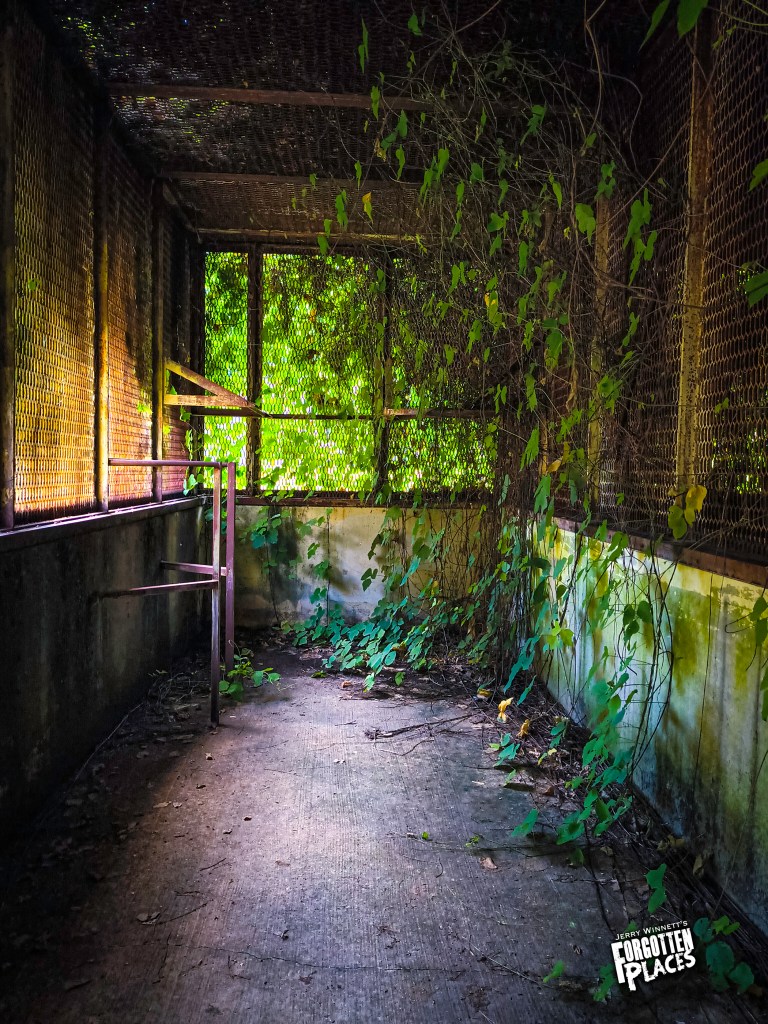
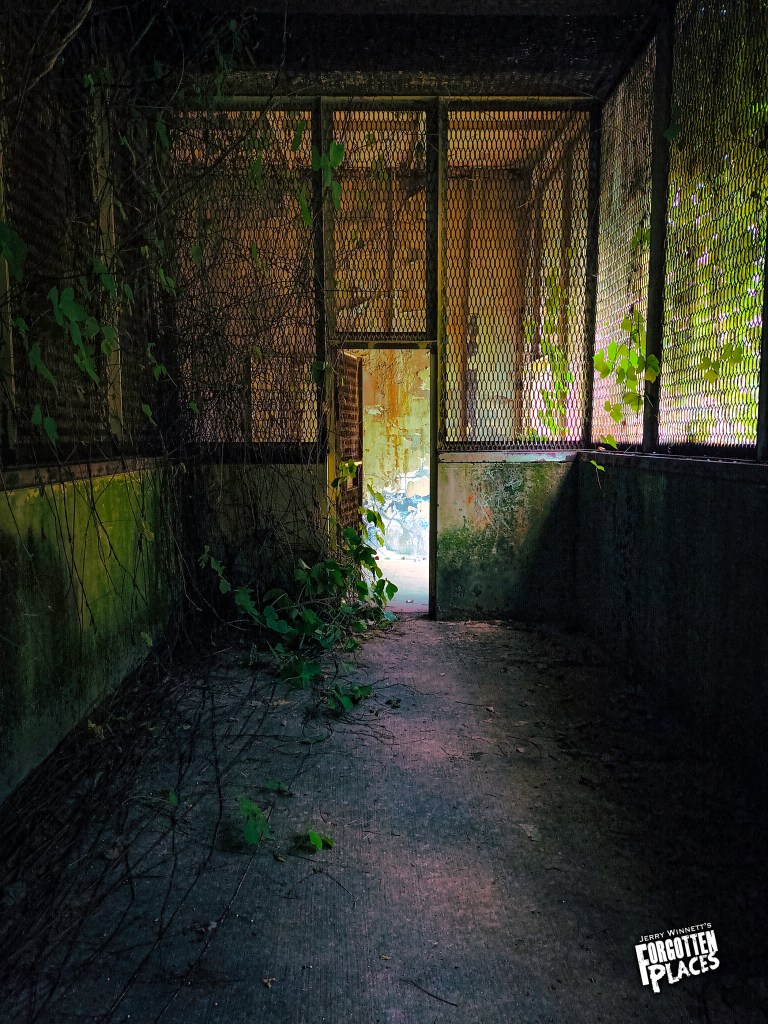
As I walked through D-Block I came across a window. Its bars were gone and through the unbarred window I could see a darkened hall, and directly in my line of sight I could vines. Hungry vines covered the doors to cells that had been vacant for over a decade but had caged countless souls for over a century. Now, when I entered D-Block I’d only witnessed one entrance. I began to look around and quickly found the way in the strange secret garden that was on the side of D-Block. If you look back at the photo of the exterior of D-Block you’ll see a patch of Spanish Moss that colonized the roof, and sides of the building. The moss had covered a secondary entrance to D-Block. In I went. My mind was filled with a mixture of awe and trepidation. Before me stretched a gloomy hall, the floor was cement covered in fine dirt. The wall to the right was dingy, and drab yellow. Cracked paint caked the surface of the wall. Here and there pipes lined the wall, as did doors that once led into the building. The end of the hallway was partially covered by the same vines that hid the entrance. To the left of me stood a wall of vines. The riotous growth of vines crawled, carpeted, and nearly obscured a wall of steel that had been painted safety yellow. Multiple doors lurked behind the invasive vines. For a moment I stood transfixed, then slowly turned about in a circle, my mind stilled by the dungeon-like atmosphere. I found myself quieted, and entranced, surrounded by the ghosts of those who once stood locked in these cells, all their hopes extinguished.
“Time takes it all, whether you want it to or not.” – Stephen King, the Green Mile
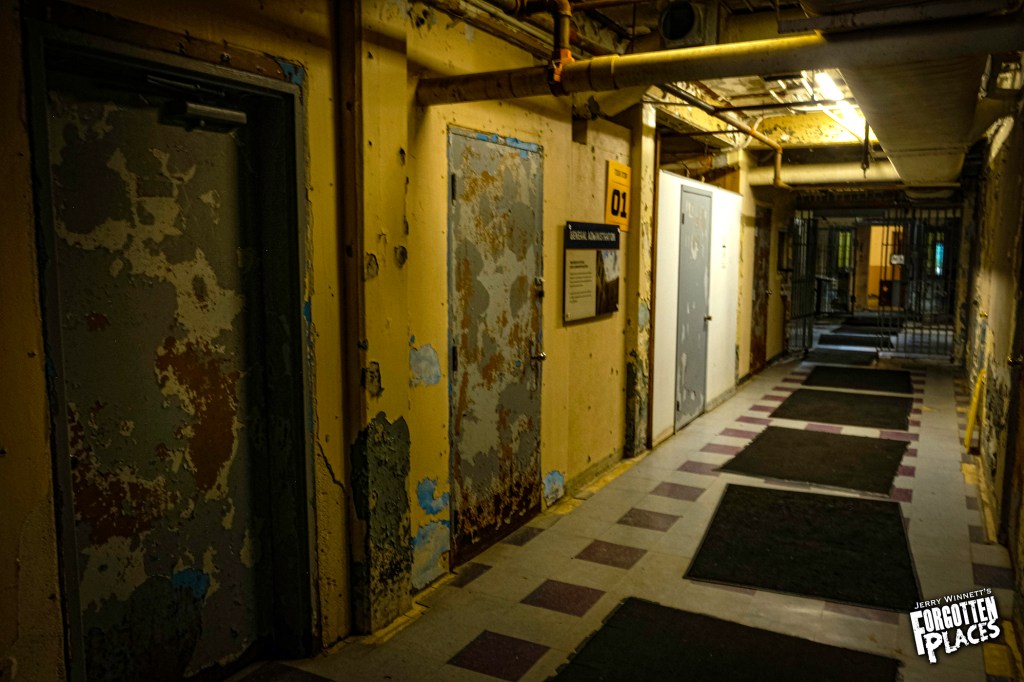
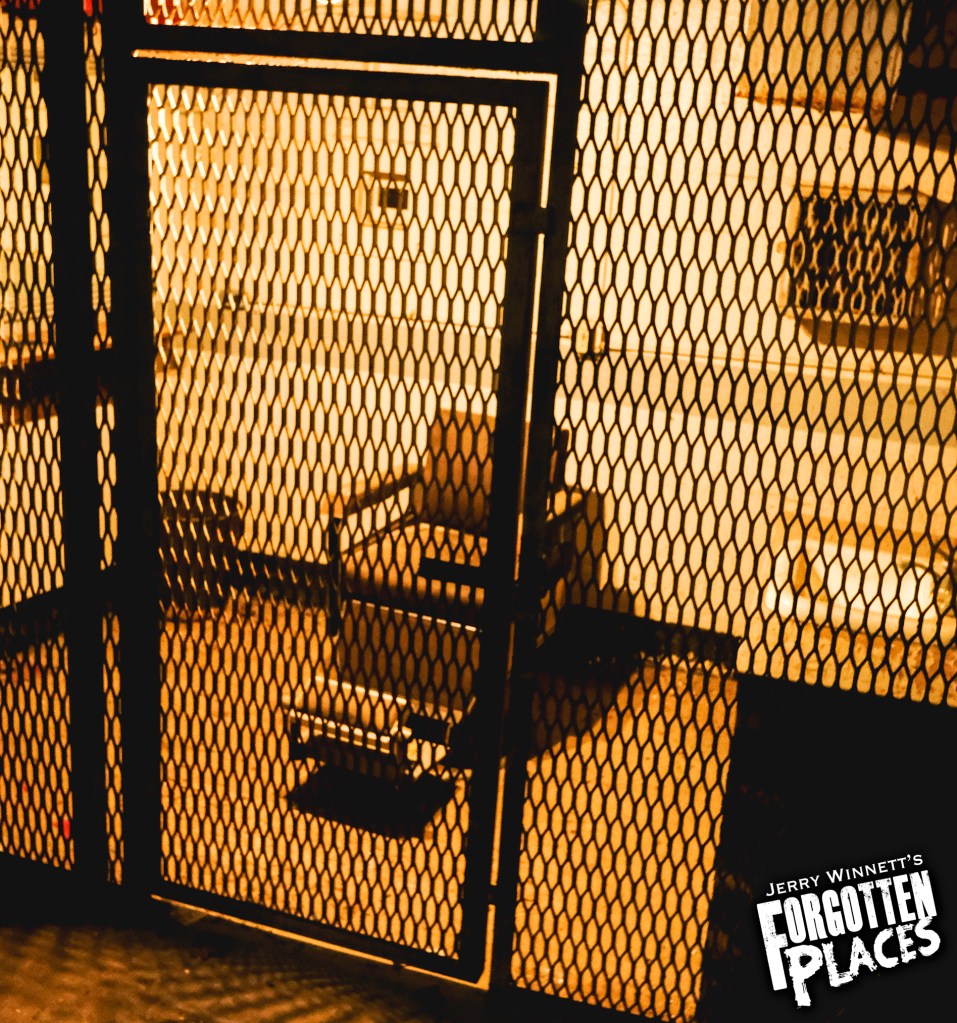
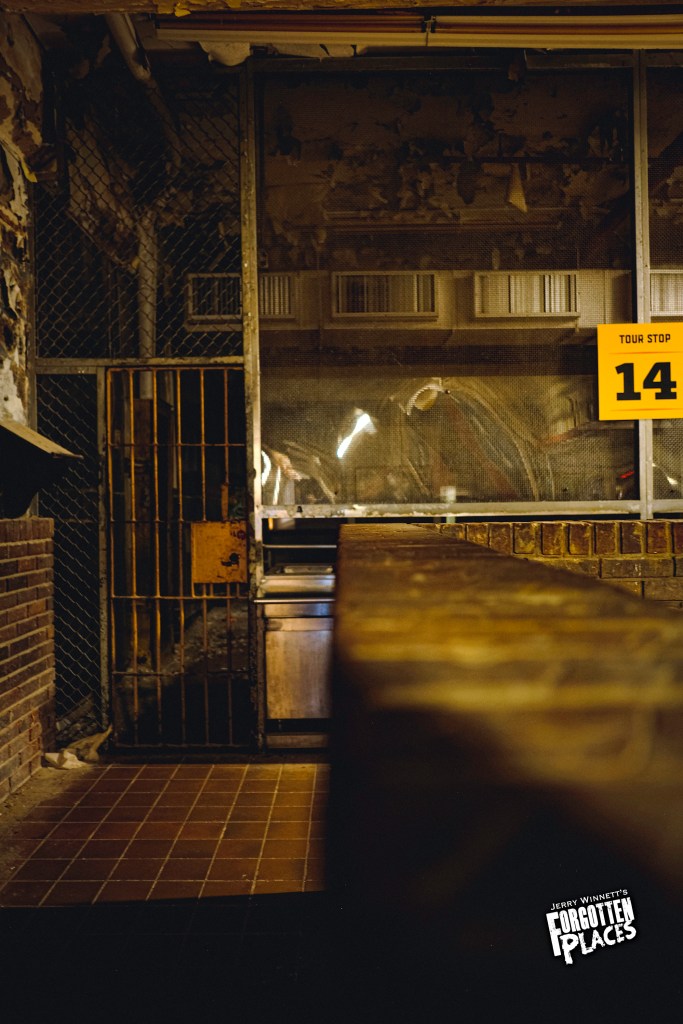
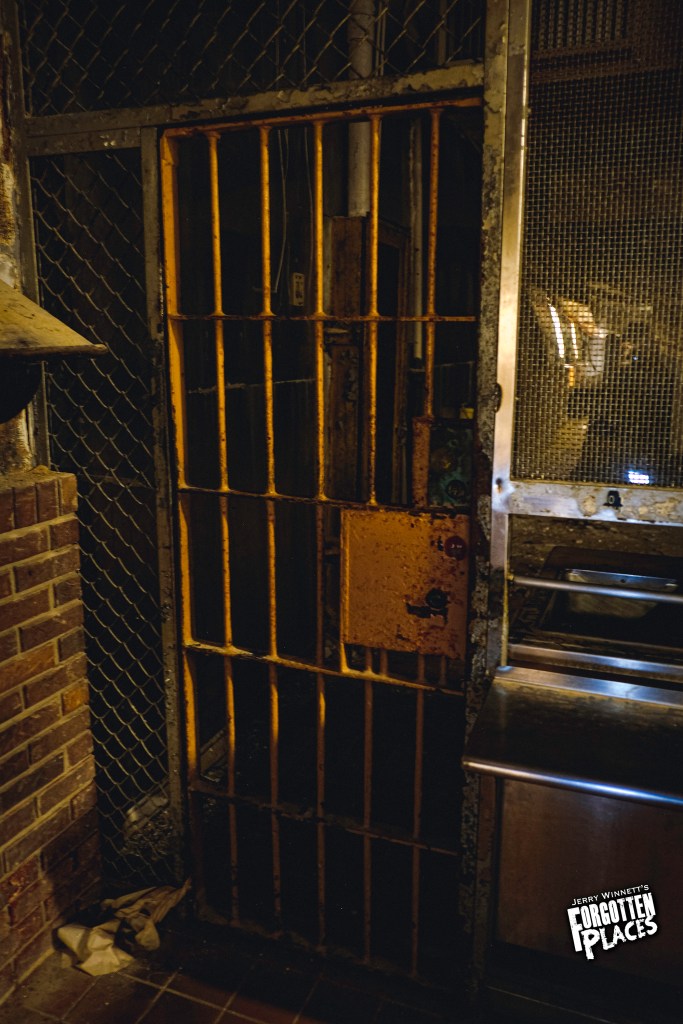
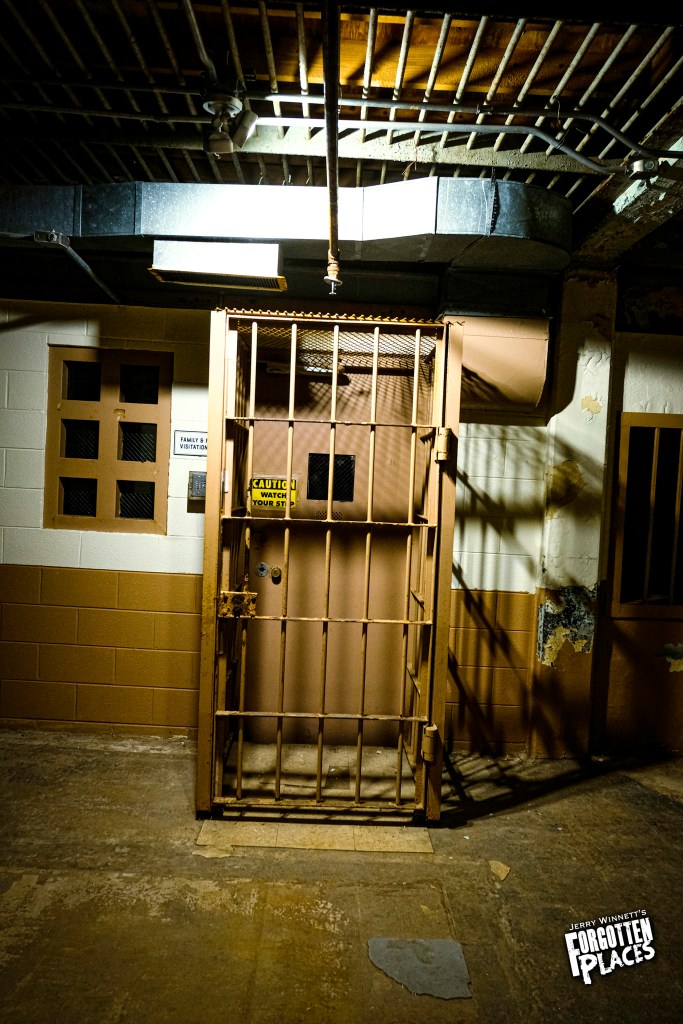
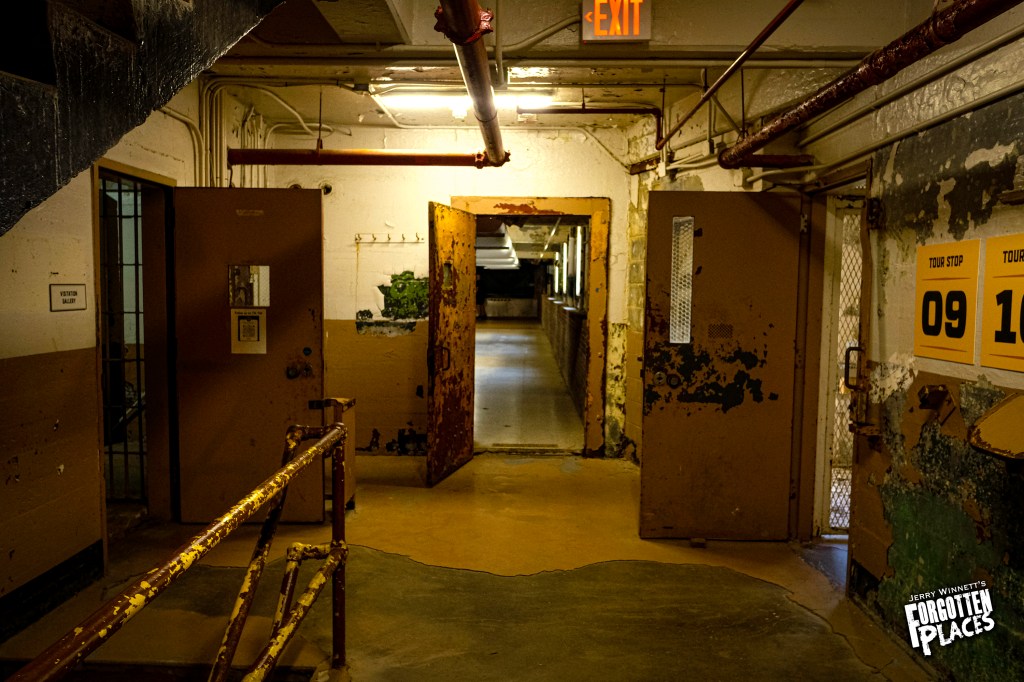
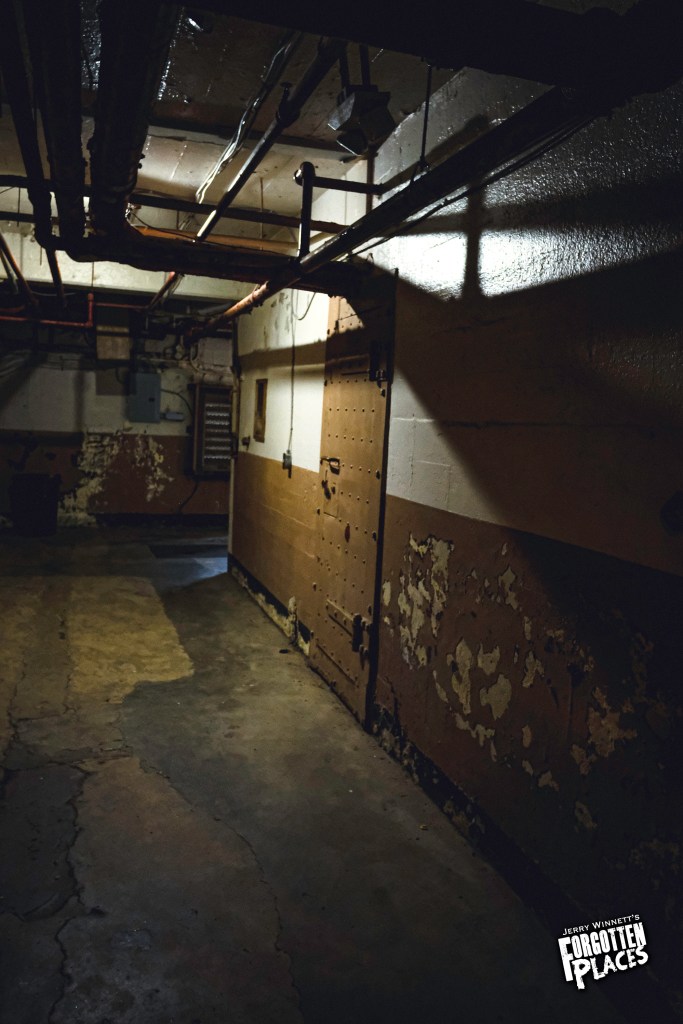
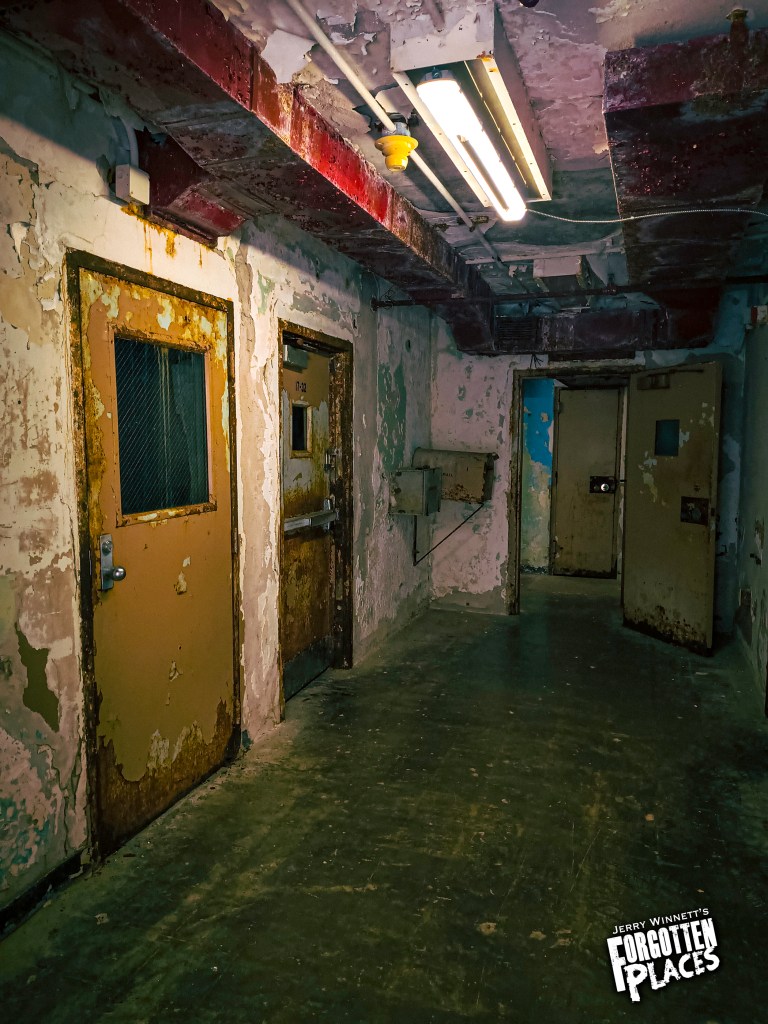
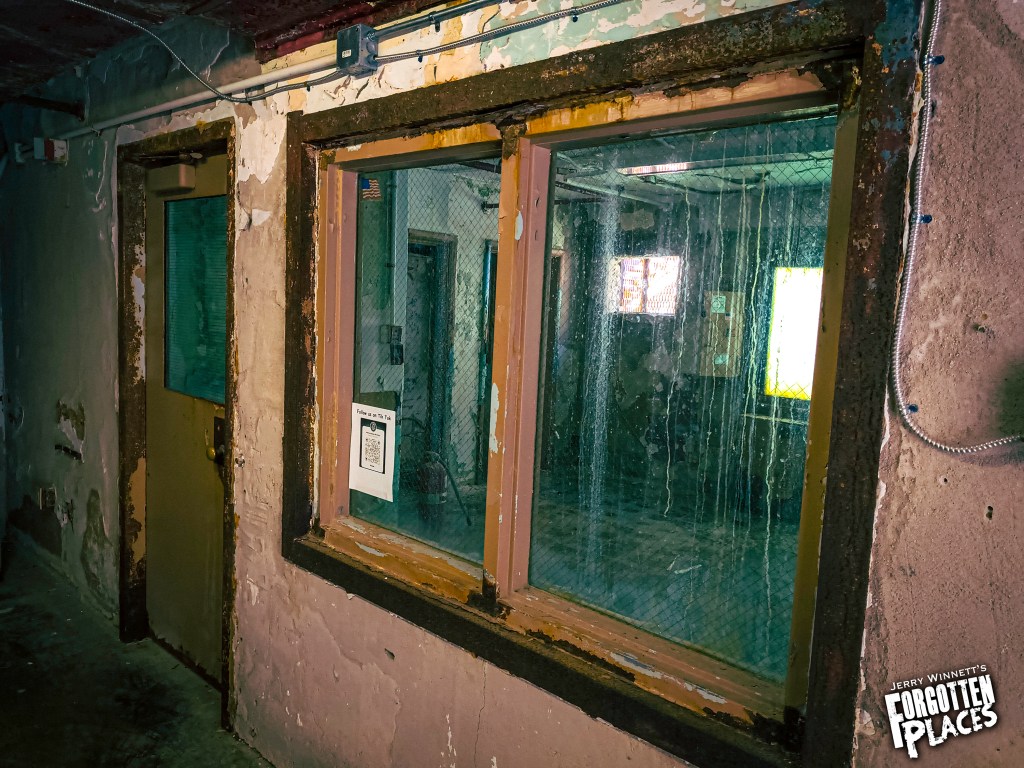
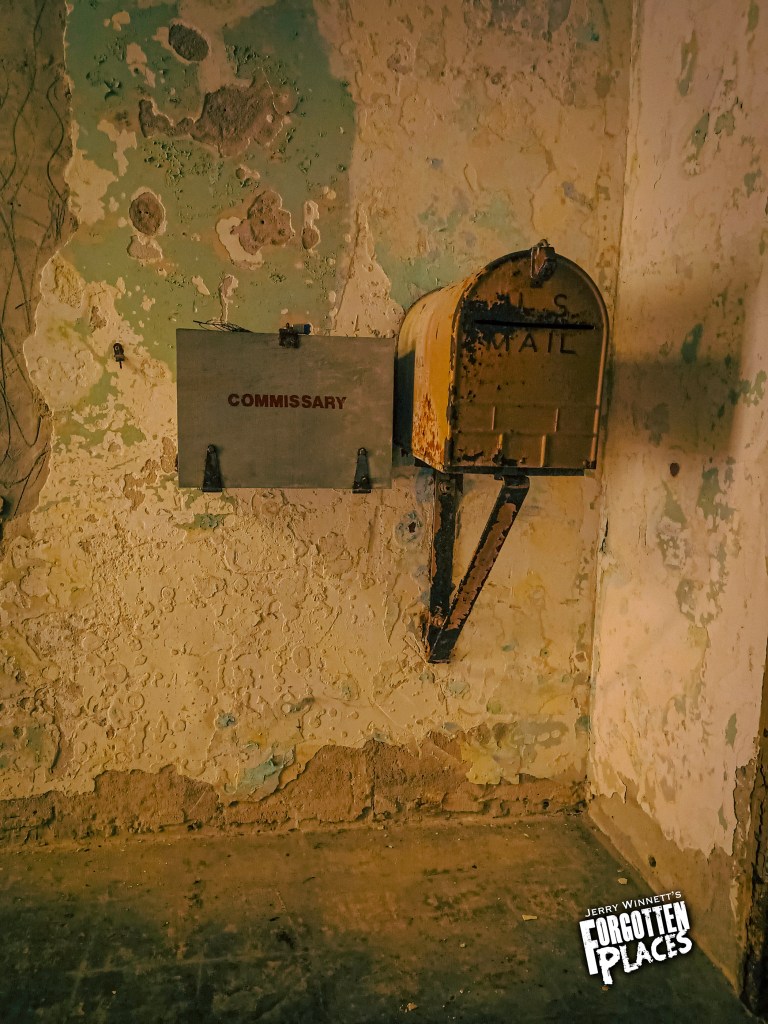
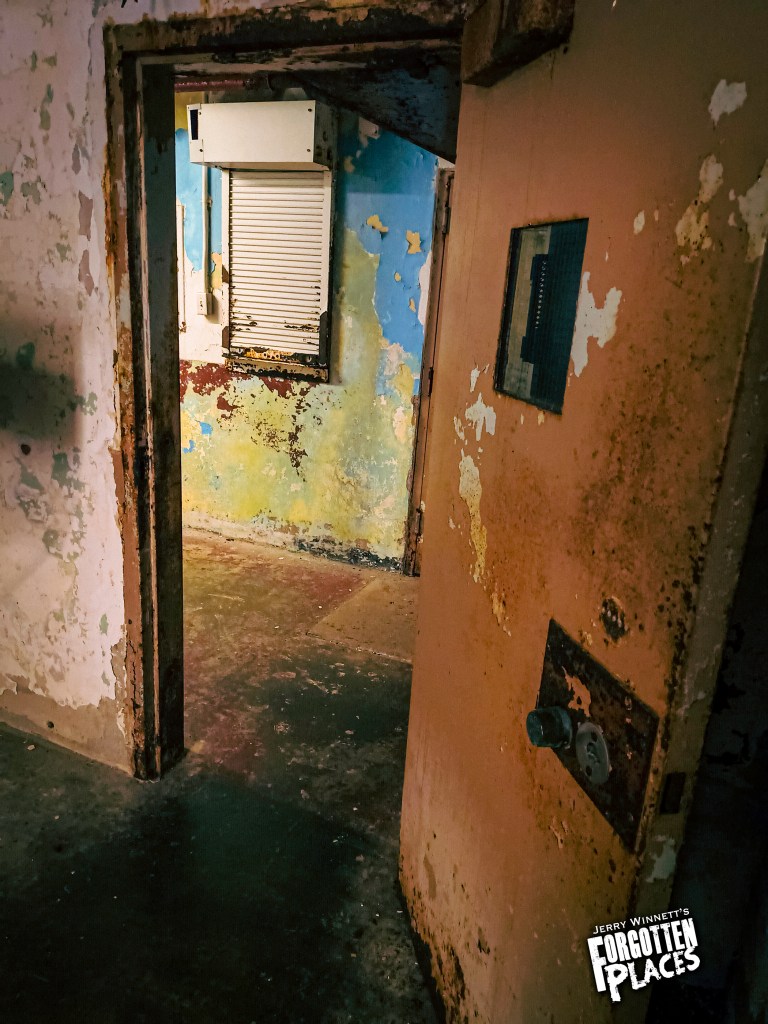
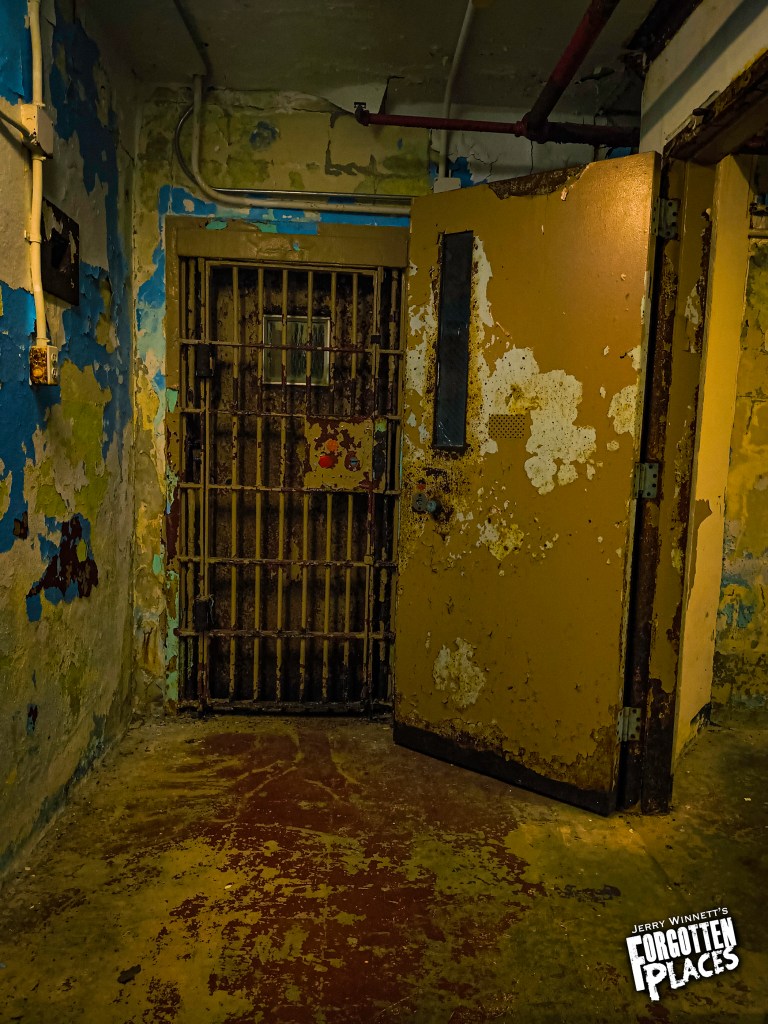
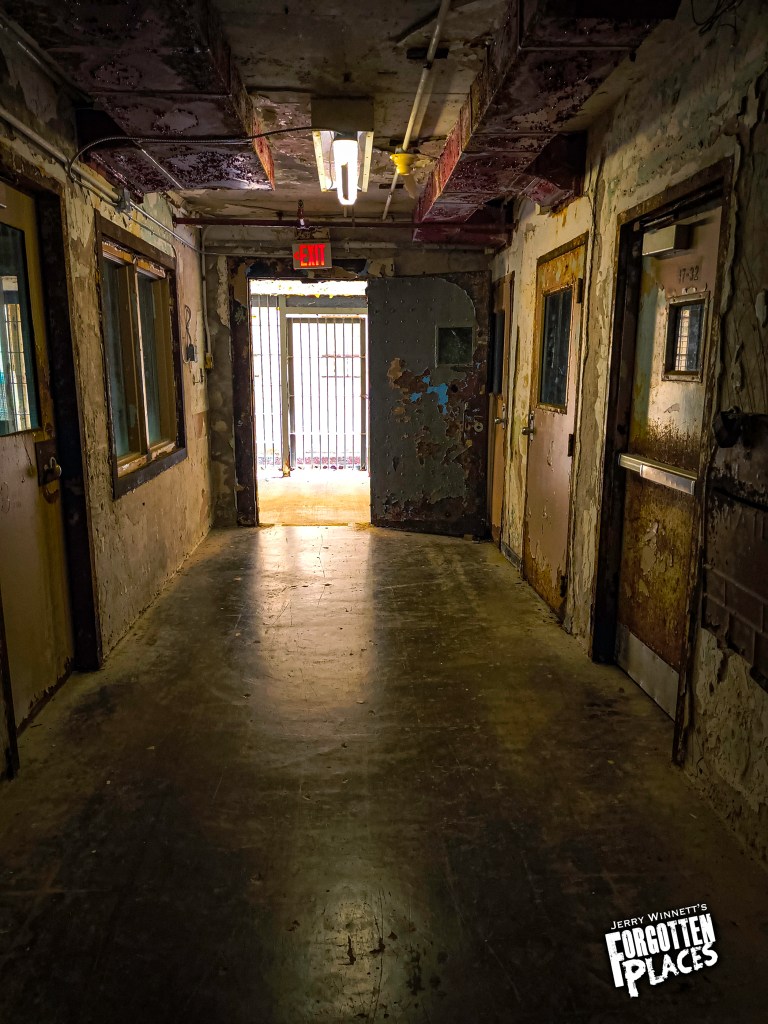
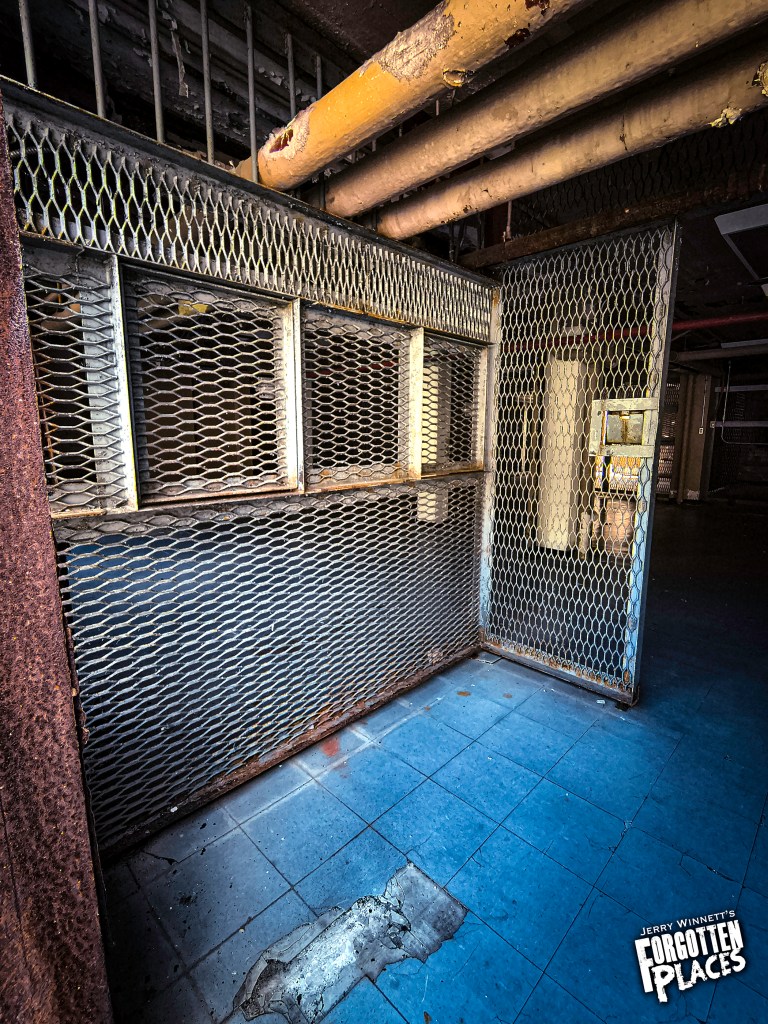
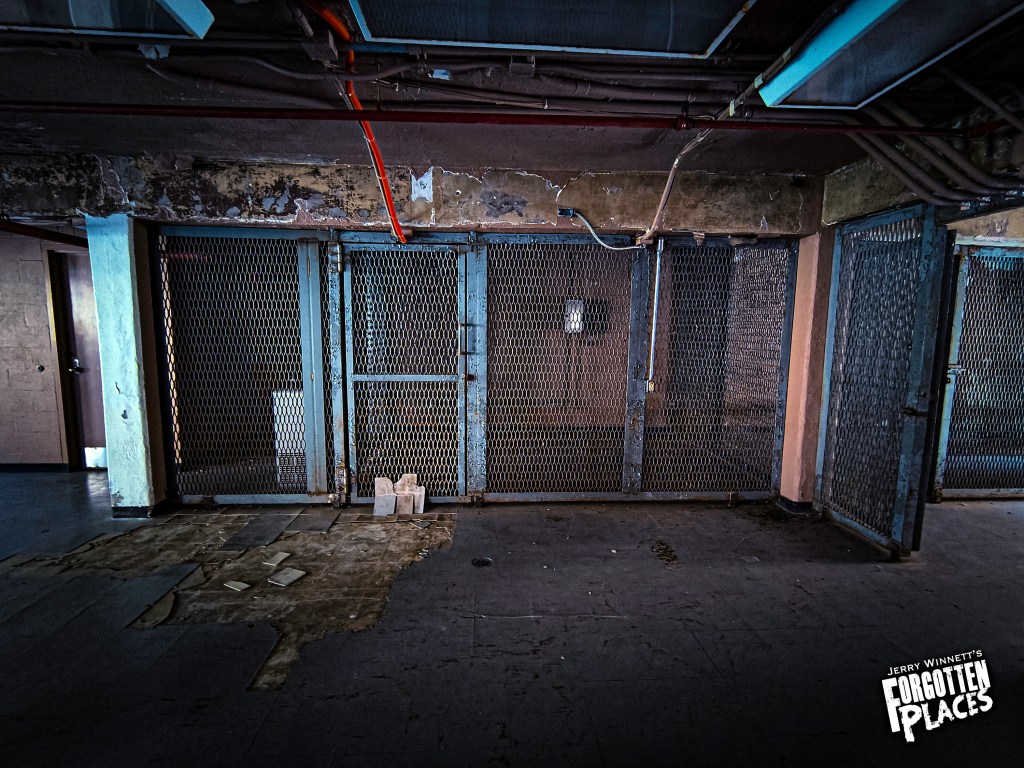
When I was finally able to break from whatever strange spell of D-Block’s Secret Garden, I wandered back into the main hall of the prison. Here I found what looked to be intake cells. Perhaps this area was used for the intake of new inmates? Or for controlling how many inmates were could access to the prison yards at a time? I’m not sure. As I said earlier, I was there to take photos. I wasn’t able to listen to the tour’s instructions while shooting.
Eventually I had my fill of Brushy Mountain’s brooding presence, and I made my way back to the prison entrance. I walked out feeling a little drained, almost depressed. Still, I was able to do what none of Brushy’s inmates were able to do. I walked out of my own free will, no parole board, no pardon, no sentence ending. The day was bright, and sunny, the temperature was rising and I was leaving.
I hope you enjoyed my trip through Brushy Mountain. If you’d like more information on the Brushy Mountain Prison’s history look it up online, or better yet, go to your local library. If you’d like to go on the tours click the link: https://tourbrushy.com
I to travel down I-65 quite a bit. In a past life I was the Editor At Large for a publication called City At Night. I was also the guy who had to drive to Huntsville once a month to do press checks, and to pick up the publication. Since then I still travel I-65, but these days my trips are usually to find abandoned buildings. On almost every one of those trips coming and going I would spot what looked like an abandoned house off the interstate, and on a backroad. Sunday my buddy, and fellow photographer Jay Farrell, and I were on our way back from a fruitless trip to Birmingham, Alabama. We had struck out on finding abandon. Even our usual honey spot the derelict Carraway Methodist Hospital turned out to be a bust. The majority of the main building, and its satellite buildings were being reduced to rubble. We then tried our luck looking for the Chalkville School for Wayward Girls (a reform school). That was a bust as well, it too was in the act of being demolished.
With two locations gone for good, we decided to turn around and go back to Tennessee. However once we reached the Giles Country area we decided to get off at the closest Exit that wasn’t too far from the aforementioned house off of I-65. We went down several backroads and saw many an old barn, old rusty farm equipment, and a limitless supply of picturesque settings. While those were nice, we were looking for abandoned buildings. After going up and down several roads we came across a small collection of old homes, some of which were (possibly) abandoned. We took some shots then went back to looking for that one house that had captured our attention. So far our cameras had stayed in their bags, but now we had reason to take them out and do a little shooting. Upon getting out of our ride, I spied an aging old house that had to date back to the late 1800’s. Its architecture had that brooding quality I find appealing. But what really caught my eye was the mailbox that sat at the end of the drive. Sitting atop a brightly painted post was a rustic miniature green tractor, its grill served as the mail box’s door. Sitting behind the black steering wheel rode a wizened doll portraying a stoped old man in coveralls. It called to be photographed! Behind the little tractor was a small barn festooned with old metal advertisements. The overall feel of the location was warm, and spoke of times gone by. We took some shots, and then were on the hunt for the house that started our backroad exploration.
Not too far from the small row of old homes we’d just photographed, we finally came across the house we’d been looking for, and yes, it was abandoned. It was a gothic beauty. It had that old Victorian/Southern look that Civil War era homes had. The once white paint was faded and peeling. The lawn was overgrown, and a vintage 1960’S Ford Mustang convertible sat out in the midst of the knee high grass. A little to the right of the battered Mustang stood an equally aged and battered tree.
We could see the windows had been broken out, assorted brick-a-brac were easily spied from our vantage point. We stood slightly below the house, and yard. The house’s tin roof was covered in rust, and large birds soared above the roof and the trees that surrounded the back of the home. Did we go in? No. Not this time. We could see that directly in back and slightly above the old manse was a smaller, and newer home, and it looked like they were home. It had been a long day and neither Jay of myself felt like disturbing the whomever lived in the home above. So, we contented ourselves with shooting the exterior. Perhaps one day soon we may knock on the door of the home that is located directly behind this old manse, and ask if we may be permitted inside of it? I know we’d like to learn about its history. For now however, I can only share photos from the road. I do hope y’all enjoyed this adventure on a Tennessee backroad. Before you go, please leave a “like”, or better yet a comment. Good bye for now.
I loved the angle that this old car was sitting at. The patina, the rust, it has so much character.
On a Sunday in March my buddy Jay and I went on a quest to photograph old, rusted, cars from Detroit and then some. We didn’t have to go too far from Nashville, Tennessee. We found what we wanted on a backroad somewhere near Dickson, Tennessee. As we traveled slowly down a narrow 2 lane road, our heads swiveling right and left for abandoned automobile gold. We’d just crested a hill, and passed on our left what looked like a good amount of dead cars on the left side of the road. We immediately pulled over on to the grassy right side of the asphalt. Jay got out to go and talk with an older gentleman who was tinkering around an old Dodge pick up. After a few minutes of respectfully shooting the breeze with the owner we were granted permission to shoot the property. Jay and I took our cameras and after a bit of initial wandering we separated and went on with the exploration of what turned out to be a Necropolis of abandoned cars, and more.
This car graveyard has so many photogenic old wrecks.
Initially I started my exploration at the from of the property photographing vehicles close to the road. I shot an old Cadilac, from the 40’s. A 70’s era Mustang Mach caught my attention, as did an older truck from the 30’s. Everywhere I turned some Detroit monster sat in the weeds, slowly being eaten by time and the elements. I began to climb up the hill that the vehicles sat upon. As I climbed I shot an older Jeep, a Pontic Trans Am, and so much more. Near the top of the hill sat a large Ranch style home that was surrounded by old cars, tires, motorcycles, and and various bric-a-brac. This was a gold mine of junk! And I was happy as hell to be wandering it all. On the left sat several cars including a Rolls Royce! I had to photograph the Rolls. As I waled around the Rolls I could see that even though the car was slowly giving into the ravages of time its iconic hood ornament, and grill were spotless! It was as if time could not touch them.
A Silver Shadow slowly fades into time. The Lady of Ecstasy remains unbeaten.
I’m not a “car guy”, but I have a soft spot for the classics.
So much to see. So much to photograph!
I followed a natural right handed bend that wandered around to the back of the house. It was here that I got a better idea of how large the property was, and how vast this collection of cars, trucks, tractors and more actually was. I later found out from the owner that his collection sat upon 15 acres. I was gobsmacked. The owner’s house that sat upon the top of the hill had a nearly impenetrable maze, and behind it a stand of trees stood. Amongst the trees at the hill top were the rusty cars that reminded me of the carapaces of large beetles, I climbed, shimmied, crawled, and squeezed through the maze of detritus to get to the top of the hill to shoot those old car bodies that were from the 20’s and 30’s. Some vehicles had rusted and crumbled until they were bare skeletons that revealed their steel frames and transmissions.
These old boys have rusted, some to the frame.
I wanted to go down the back of that hill to shoot the broken hulks that covered the ground. However we only had maybe and hour or so before the owner would leave to run some errands. With this in mind, I carefully made my way back to the rear of the house. Again, this place was a honey hole for old discarded odds and ends that were easily decades old. I photographed several “Can operated arcade machines that once would tell a person’s weight and reveal your fortune. I was tickled to see these. Old bikes, and even older soft drink machines made up the maze that I carefully explored. I’d just taken what I thought to be a great shot of an old bike, and a vintage hot dog wagon when I heard a horn blowing. That horn was out warning that our time for exploration was drawing to an end.
Tires, vending machines, and bikes! Oh, my!
I tried making my way back to the bottom of the hill. However there were numerous instances where I found myself retracing my steps. I hit dead ends made up of of tires, old filing cabinets, dressers, as well as assorted large tool cases on wheels. Eventually I stepped between a narrow rift in the wall of tires and was able to make my way down the hill to where I had started my exploration. I came across a few more old cars that I really liked the look of, such as an old convertible that had bullet holes in the window? I had to capture shots of them as well!
Bullet proof? Not so much.
My last captures were of an ancient Detroit behemoth of a Cadillac called to me. I wonder what this old gal looked like when she ran off the production line? The Flying Goddess looked to be as eternally spotless as the Spirit of Ecstasy that adorns the hood of the Rolls Royce.
I truly hope you enjoyed this little trip through a roadside car necropolis. If you would, please leave a like and a comment or two. Thank you. hould you want to purchase my book Forgotten Tennessee, here’s the link for it.
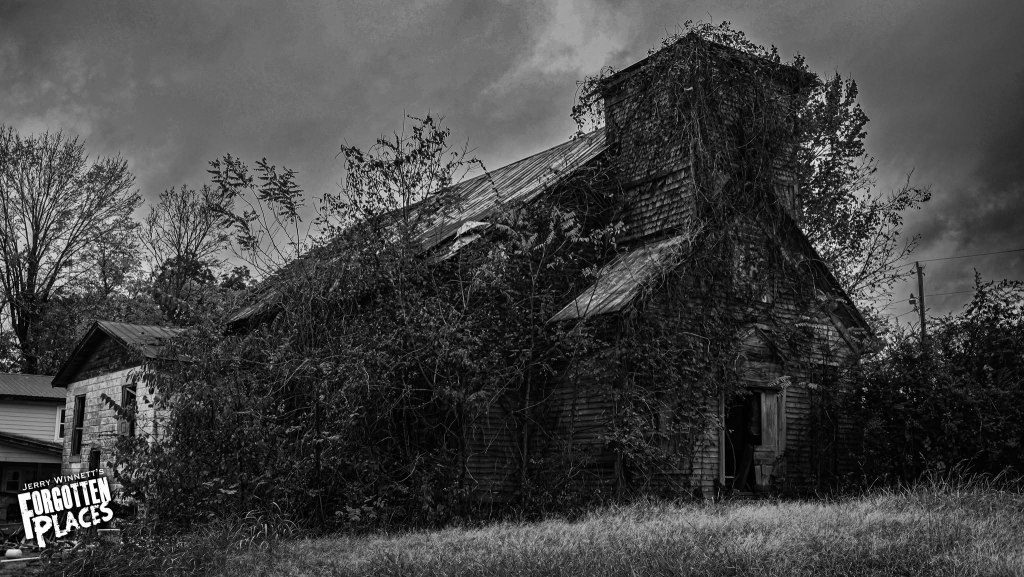
Near Selmer Tennessee there is an abandoned church. My friend Jay Farrell and I have been using this church, and others for night photography for a few years. Yes, this means we have shot these locations several times. Why would we go back to a site we’ve been before? Because nothing is ever really abandoned forever. Abandoned sites evolve, or perhaps I should say they never quite stop changing.
I love seeing the changes that take place in since my last visit. But that isn’t the only reason we revisit these sites. Locations like these allow us to experiment with night photography without interference.
The following photos are just a few night shots that I’ve taken. I hope you enjoy looking at them, if you can please leave a comment, and feel free to share my site.
I truly hope you enjoyed this post. Please, if you could leave a comment or two.
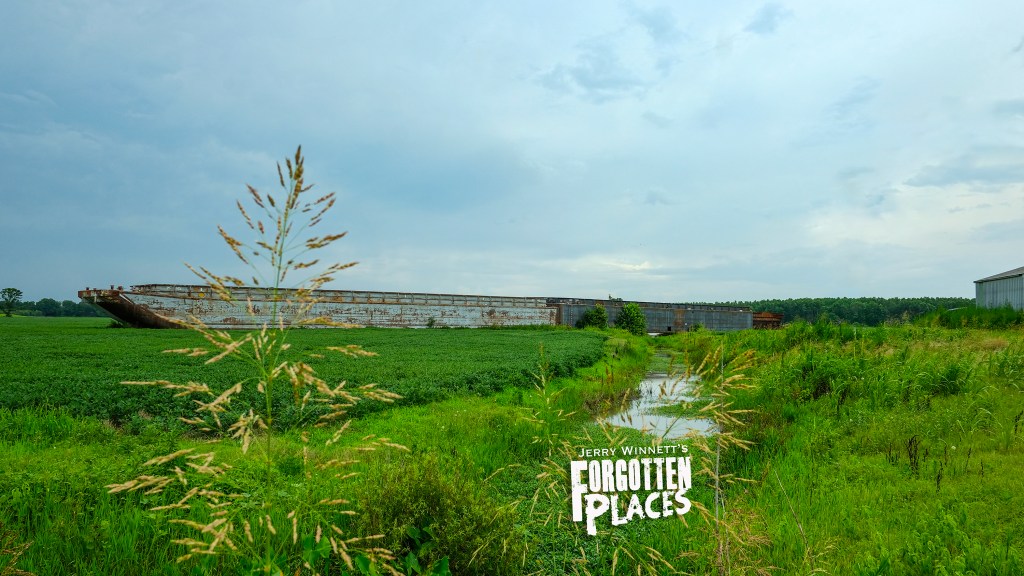
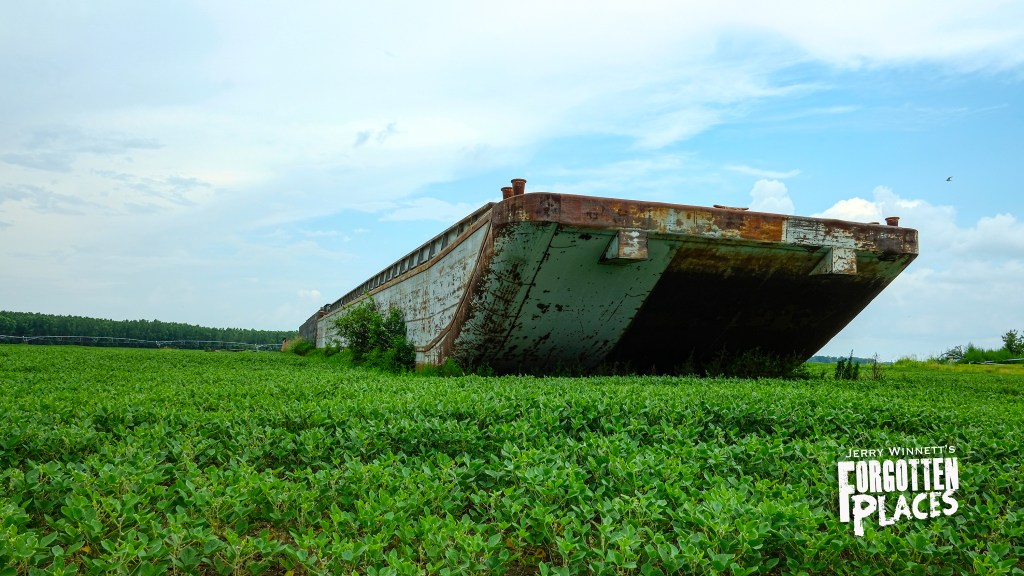
July 6th was a Sunday that saw me and my buddy Jay Farrell cruising the back roads of Southern Illinois. We were on Miller City road going around a bend and considering going back to the crossroads to take a different road. We’d just voiced this when we came to an abrupt stop. To our right was a farmer’s field and smack dab in the middle of that field was a river barge! No, I’m serious, a barge was sitting in a field completely landlocked.
CairoWe hoped out of Marvin, Jay’s Kia Soul, and after a bit of deliberation decided to approach the barge. Down the side of a ditch, across a muddy water channel, and up a gently sloping rise found us standing 50 yards or so from the rusting hulk. Splitting up Jay and I began exploring as much as we could. Later on we would learn that the barge we’d photographed was one of three barges that had landed up in that field after a flood had opened up a levy. Look at the size of the barge and think about there being two others at one point. Could we have gone closer? Maybe, but we were in some farmer’s crop and nether Jay or myself were keen on tromping on the crop anymore than we had. I hope you like the photos. Leave a comment or two.
280 Tons without cargo. Let that sink in. The fact that two other barges were here originally is stunning. I have to wonder if the barge was full of water making this a huge swimming pool, or was it empty?
If you like my blog and want to see more of my work, look around, enjoy. Should you want to purchase my book Forgotten Tennessee, here’s the link for it.
I’d heard of the Graffiti bridge before, and I’d seen photos of it as well. Waking up early one Sunday morning I decided to go look for and find the thing. I grabbed my camera, my back pack, coffee, snacks and because it was raining, I grabbed my previously unworn rain coat. Off I went. I had looked up the location of the bridge on Google, and while it wasn’t particularly far from me the road to the location was curvy, and interrupted by construction sites. I won’t complain though. The largest construction site was open and had a clean porta-a-potty. What can I say, I’d drank way too much coffee.
I’d been driving up a narrow road looking for a road that no longer existed. At some point in the last 25yrs or so the bridge’s road had been closed off. I had unknowingly past the road I had been looking for. Doubling back the way I’d come I creeped forward at maybe 5 miles per hour, with my head turned to the left. There! There was the break in the roadside woods I had missed. Backing up and then turning onto the disused road I drove forward. Have you ever been down an abandoned road? Grass, tall weeds, bushes and large chunks of asphalt covered every inch of the road surface. Gravel roads are actually smoother. I figure I had driven about an eighth of a mile before coming to a line of large, heavy boulders, and a sign stating the road was closed. Nothing like Captain Obvious leaving behind a clue, eh?
From the top of a boulder I could see the forgotten road went on for another eighth of a mile or more. The pavement had become eerily beautiful, a riot of green had nearly taken over the surface, but the crumbled and cracked asphalt could still be seen, and traversing the path wasn’t too bad. Red, purple, and yellow flowers adorned the tops of the green expanse. The rain which was coming down intermittently only added to the mystery of the road. All of it was wet from a nearly continuous downpour.From the top of a boulder I could see the forgotten road went on for another eighth of a mile or more. The pavement had become eerily beautiful, a riot of green had nearly taken over the surface, but the crumbled and cracked asphalt could still be seen, and traversing the path wasn’t too bad. Red, purple, and yellow flowers adorned the tops of the green expanse. The rain which was coming down intermittently only added to the mystery of the road. All of it was wet from a nearly continuous downpour.
I hopped down from the boulder and made my way up the narrow black asphalt trail. Occasionally I had to push aside larger weeds, and I took my time reading and looking at the graffiti that peeked out from the weeds and flowers. The trail ended up at another collection of boulders and a well worn mound of reddish dirt with its own skinny path. It was up this path I climbed and at the top of the mound I was rewarded with my first glance at the abandoned bridge. Tree branches surrounded the mound I stood upon, as well as the apron of the bridge. Carefully I made my way dow to the bridge, and once I made my way to the bottom I took a second to take in all that was before me. On the left the bridge was covered with a mix of lichen, water and of course graffiti. The soldiers of the bridge’s rail had been spray painted many times, the right was just as heavily painted. The graffiti made its way from the apron I stood upon and crawled all the way to the far end of the structure where it ended in another mound of boulders and dirt.
I took a little more time to inspect the surface of the bridge before me. One may think I may have been acting a bit over cautious but past experiences have taught me that there’s a lot of wisdom in the old saying “Look before you leap”. When it comes to exploring abandoned places it’s easy to fall victim to unseen dangers. Falling twenty or thirty feet into the river below would have been unpleasant, but falling onto the footings of the bridge would have been truly traumatic. Personally I try to avoid traumatic falls. After exploring the asphalt before me I finally picked up my camera and began to take photos. I walked and photographed the bridge’s colorful graffiti and fell into a peaceful state of being. In my mind I could picture setting up a small camp at the closest apron of the bridge. Nothing too fancy, a cot, a chair, and definitely a card table with a cooler filled with gatorade. Oh, and something to munch on. I particularly enjoyed the views the river. There were more than a few shoots I imagined myself doing at this location. I may yet end up doing so. After an hour of so I realized that the rain was getting worse, and decided to head out. Packing my camera back into my bag, I turned around and made my way back the way I’d come.
Dear readers, I hope you enjoyed this adventure of mine. Please feel free to look at my other posts and if you would subscribe and leave a comment or two.
Oh, and if you’d like to purchase my book Forgotten Tennessee here is the link! https://a.co/d/08freprI
July 6th was a Sunday that saw me and my buddy Jay Farrell cruising the back roads of Southern Illinois. We were on Miller City road going around a bend and considering going back to the crossroads to take a different road. We’d just voiced this when we came to an abrupt stop. To our right was a farmer’s field and smack dab in the middle of that field was a river barge! No, I’m serious, a barge was sitting in a field completely landlocked.
We hoped out of Marvin, Jay’s Kia Soul and after a bit of deliberation decided to approach the barge. Down the side of a ditch, across a muddy water channel, and up a gently sloping rise found us standing 50 yards or so from the rusting hulk. Splitting up Jay and I began exploring as much as we could. Later on we would learn that the barge we’d photographed was one of three barges that had landed up in that field after a flood had opened up a levy. Look at the size of the barge and think about there being two others at one point. Could we have gone closer? Maybe, but we were in some farmer’s crop and nether Jay or myself were keen on tromping on the crop anymore than we had. I hope you like the photos. Leave a comment or two.
280 Tons without cargo. Let that sink in. The fact that two other barges were here originally is stunning. I have to wonder if the barge was full of water making this a huge swimming pool, or was it empty? If you like my blog and want to see more of my work, look around, enjoy. Oh, and look for my book Forgotten Tennessee on Amazon.com!









You must be logged in to post a comment.